1 hour agoBusiness
34LENS
2 SourcesUnited States
 thebalanced.news
India-US $500 Billion Trade Commitment Faces Uncertainty Amid Tariff Dispute
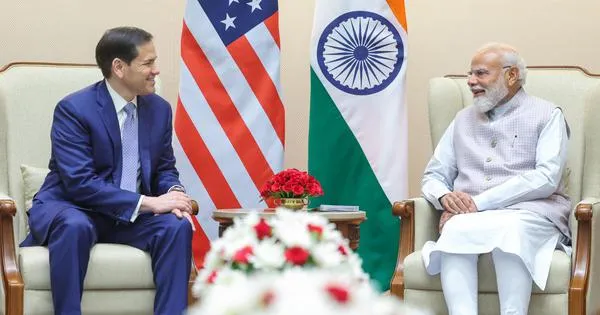
US Secretary of State Marco Rubio stated that India has committed to purchasing $500 billion worth of American goods over five years, focusing on energy, technology, and agriculture. However, Indian officials have clarified this figure reflects commercial intent rather than a binding obligation, with purchases dependent on price and demand. Analysts note that the underlying trade agreement framework has weakened after a US Supreme Court ruling affected reciprocal tariffs, casting uncertainty on the deal's implementation.
Political Bias
15%75%10%
Sentiment
50%
AI Analysis
Political bias across 2 sources
● Left 15%● Center 75%● Right 10%
The articles present multiple perspectives, including US officials emphasizing a strong trade commitment and Indian authorities clarifying the non-binding nature of the purchase intentions. Analysts and trade experts highlight legal and policy challenges affecting the deal's foundation. Coverage balances official statements with critical analysis, reflecting both diplomatic optimism and skepticism about the agreement's viability.
Sentiment — Neutral (50/100)
The overall tone is mixed, combining positive diplomatic messaging about potential trade growth with cautious or critical views regarding the deal's practical enforceability. While US officials express confidence, Indian officials and analysts temper expectations by pointing to legal setbacks and conditional purchase terms, resulting in a nuanced sentiment across the articles.
How 2 sources covered this story
Each source's own headline, political lean, and sentiment — so you can see framing differences at a glance.
| Source | Their headline | Bias | Sentiment |
|---|---|---|---|
| scrollin | India to buy 500 billion in US goods over five years, says Trump official | Center | Neutral |
| economictimes | A 500 billion question hangs over Rubio's India trade claim as original tariff bargain loses its footing | Center | Neutral |
Coverage timeline
economictimes broke this story on 24 May, 09:00 am. Other outlets followed.
- 1economictimes24 May, 09:00 amA 500 billion question hangs over Rubio's India trade claim as original tariff bargain loses its footing
- 2scrollin24 May, 09:44 amIndia to buy 500 billion in US goods over five years, says Trump official
Lens Score breakdown
34/100
Public interest0/100
Coverage gap100%
Well-covered story — coverage matches public importance.
Who's involved
Institutions and figures named across source coverage.
Government
Union Commerce and Industry MinistryIndian GovernmentUS Department of StateUnited States Department of StateUS Supreme Court
Political
Marco Rubio
Judiciary
US Supreme Court
Story context
- Category
- Business
- Location
- United States
- Sources analysed
- 2
- Last analysed
- 24 May 2026
- Key entities
- Marco RubioUnited StatesIndiaUnited States Secretary of StateAgricultureWashington (state)TariffDonald TrumpNarendra ModiDelhiNew DelhiJapan
Related Coverage
Select a news story to see related coverage from other media outlets.