54 minutes agoBusiness
25LENS
2 Sources
 thebalanced.news
RBI's Rs. 2.87 Lakh Crore Surplus Transfer Differs from Corporate Dividends
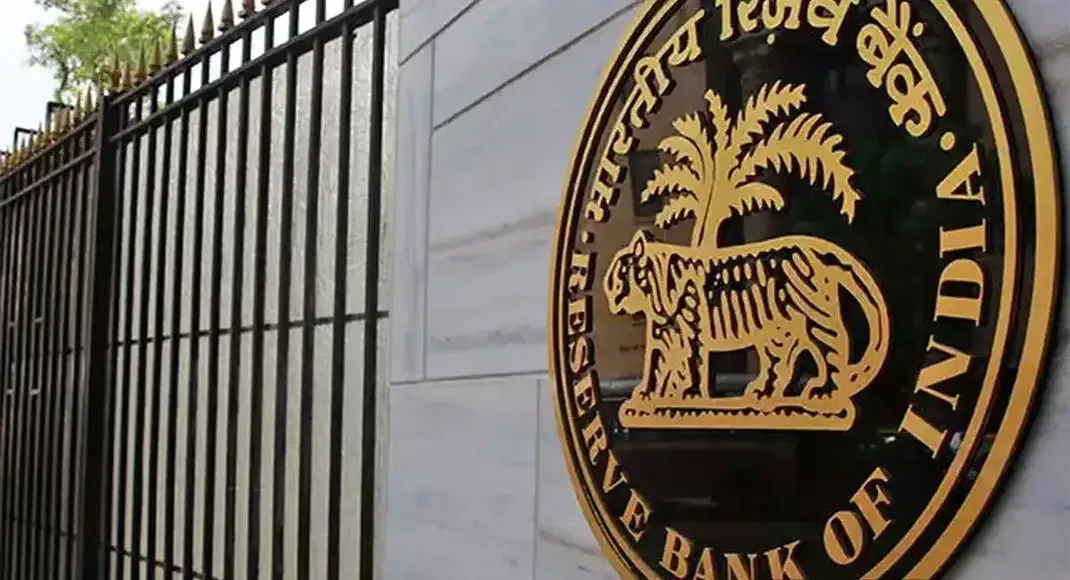
The Reserve Bank of India's (RBI) record surplus transfer of Rs. 2.87 lakh crore to the government is often described as a dividend but differs from corporate dividends like those paid by HDFC Bank. Unlike corporate dividends distributed from post-tax profits to multiple shareholders, the RBI's surplus transfer represents residual income to its sole owner, the Government of India, after accounting for provisions and risk buffers. This payout is not a commercial dividend or a free fiscal windfall, nor does it imply that central bank balance sheets function like corporate profit-and-loss accounts.
Political Bias
5%93%2%
Sentiment
52%
AI Analysis
Political bias across 2 sources
● Left 5%● Center 93%● Right 2%
The articles present a technical explanation of the RBI's surplus transfer without political framing, focusing on clarifying financial distinctions between central bank payouts and corporate dividends. The coverage reflects a neutral, economic perspective emphasizing institutional roles rather than political implications, with no evident partisan viewpoints.
Sentiment — Neutral (52/100)
The tone across the articles is neutral and informative, aiming to clarify misconceptions about the nature of the RBI's surplus transfer. There is no positive or negative sentiment expressed; instead, the content focuses on factual explanation and financial context.
How 2 sources covered this story
Each source's own headline, political lean, and sentiment — so you can see framing differences at a glance.
| Source | Their headline | Bias | Sentiment |
|---|---|---|---|
| economictimes | RBI's dividend is not HDFC's dividend: What makes the central bank's Rs. 2.87 lakh crore payout different | Center | Neutral |
| economictimes | RBI's dividend is not HDFC's dividend: What makes the central bank's Rs. 2.87 lakh crore payout different | Center | Neutral |
Coverage timeline
economictimes broke this story on 24 May, 05:39 am. Other outlets followed.
- 1economictimes24 May, 05:39 amRBI's dividend is not HDFC's dividend: What makes the central bank's Rs. 2.87 lakh crore payout different
- 2economictimes24 May, 06:04 amRBI's dividend is not HDFC's dividend: What makes the central bank's Rs. 2.87 lakh crore payout different
Lens Score breakdown
25/100
Public interest0/100
Coverage gap100%
Well-covered story — coverage matches public importance.
Who's involved
Institutions and figures named across source coverage.
Government
Government of India
Corporate
HDFC Bank
Story context
- Category
- Business
- Sources analysed
- 2
- Last analysed
- 24 May 2026
- Key entities
- DividendHDFC BankGovernment of IndiaReserve Bank of IndiaCroreChequeIndian rupeeLakhCentral bank
Related Coverage
Select a news story to see related coverage from other media outlets.