Nepal Temporarily Restricts Indian Mango Imports Over Pesticide and Quarantine Concerns
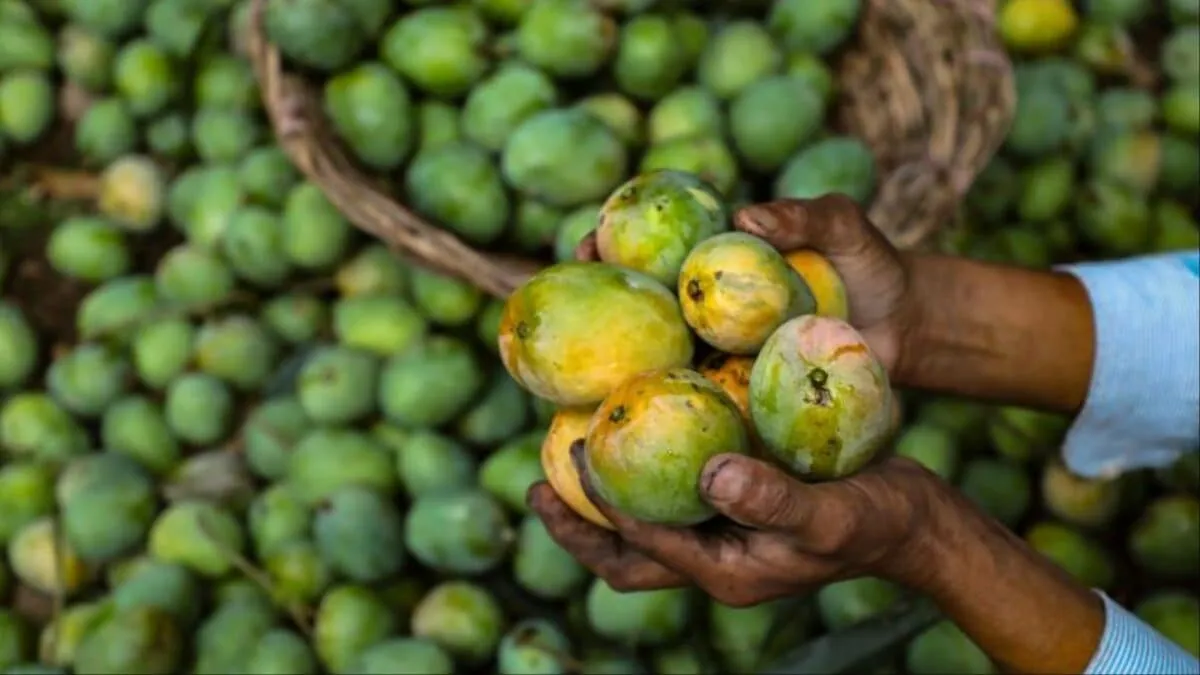
Nepal has temporarily restricted imports of Indian mangoes after quarantine inspections detected pesticide residues exceeding permissible limits and cited inadequate border quarantine facilities, particularly in Madhesh province. Officials emphasize the move aims to ensure food safety and is not intended to disrupt bilateral trade. The ban has encouraged local mango production but may lead to supply shortages and price increases, as domestic output is limited to a short season. This follows Japan's recent suspension of Indian mango imports over phytosanitary compliance issues unrelated to pesticide residues.
First-hand measurement across 9 sources
We measured how 9 outlets covered this story. Coverage leans balanced overall (Left 10%, Centre 88%, Right 2%). Overall sentiment is neutral (44/100). Lens Score 33/100 — low public interest.
Outlets analysed (first-hand measurement by TBN's Bias Engine):
- ndtv— balanced framing, neutral sentiment
- businessstandard— balanced framing, neutral sentiment
- economictimes— balanced framing, neutral sentiment
- english— balanced framing, neutral sentiment
- thetribune— balanced framing, neutral sentiment
- news18— balanced framing, neutral sentiment
- wion— left-leaning framing, negative sentiment
- english— balanced framing, neutral sentiment
AI Analysis
The article group presents perspectives primarily from Nepali government officials and local traders, focusing on regulatory and safety concerns without attributing political motives. It includes views supporting local agriculture and trade continuity, reflecting a balanced approach without partisan framing. The coverage also references Japan's related import suspension to provide broader context on India's export challenges.
The overall tone across the articles is neutral to cautiously concerned, highlighting regulatory actions and their potential economic impacts without emotive language. While the restrictions are framed as necessary for food safety, concerns about supply shortages and price rises introduce a measured sense of challenge. The inclusion of official reassurances and local farmer benefits balances the sentiment.