Skip to content
Get the Balanced News app for a better experience!
The Balanced News Logo
Analytics
The Balanced News Logo

Stay Balanced, Stay Informed

Menu
  • Browse News
  • Underreported Stories
  • Curated Feeds
  • Insights
  • Analytics
  • Our Writers
  • About Us
  • Download App
Learn
  • How It Works
  • Bias Detection
  • Lens Score
  • Source Bias Checker
  • Accountability
  • Custom Feeds
Newsroom
  • Writers & Analysts
  • About TBN
  • Editorial Standards
  • Corrections Policy
  • Our Partners
  • Insights
Socials
  • Youtube
  • Instagram
  • X
  • Facebook
News Categories
  • Trending
  • Politics
  • Sports
  • Business
  • Tech
  • Entertainment
  • Health
  • Science
  • Crime
  • Lifestyle
  • National
  • International
  • Good News
  • Crypto

Get Our App

Available for iOS and Android


LensFeedsInsightsAnalyticsTrendingGood NewsSportsPoliticsBusinessCrimeTechEntertainmentHealthNationalInternational

© 2026 The Balanced News. All rights reserved.

About UsEditorial StandardsCorrectionsHelp & SupportPrivacy PolicyTerms & Conditions
India's Electric Vehicle Shift Faces Challenges in Oil Dependence and Lithium Supply
Categories

Categories

Related Coverage

Select a news story to see related coverage from other media outlets.

Related Coverage

Select a news story to see related coverage from other media outlets.

  1. Home
  2. /
  3. Business

India's Electric Vehicle Shift Faces Challenges in Oil Dependence and Lithium Supply

Reviewed byMrunal Wange· Business & Economy Editor· Edited byOjas Kale
Analysed 9 Jun 2026·2 sources analysed·India·Business
India's Electric Vehicle Shift Faces Challenges in Oil Dependence and Lithium SupplyPreviousNext

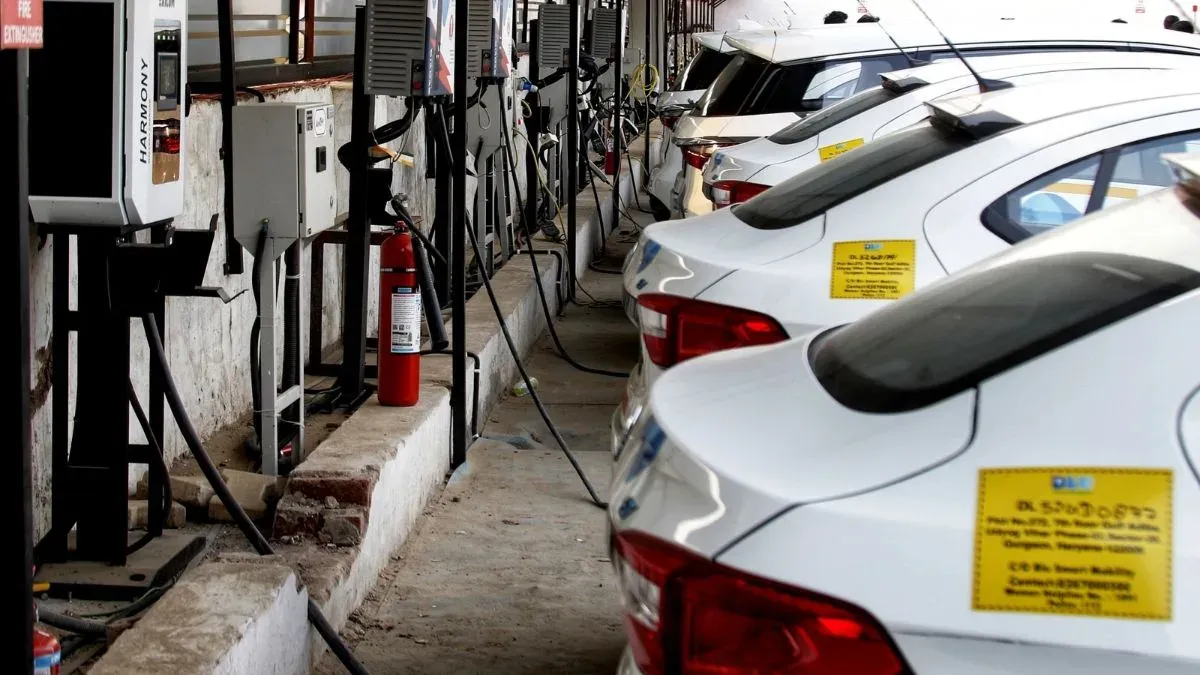
India's electric vehicle transition is increasingly driven by economic resilience, aiming to reduce dependence on imported oil amid geopolitical risks. While electricity generation still relies on fossil fuels, expanding renewables offer greater control over energy sources. However, India's reliance on China for lithium, essential for batteries, highlights challenges including policy shortcomings, unexploited domestic deposits, and limited refining capacity. Despite international partnerships and exploration efforts, securing a stable lithium supply chain remains a critical concern for India's EV ambitions.

TBN's observations

First-hand measurement across 2 sources

We measured how 2 outlets covered this story. Coverage leans balanced overall (Left 40%, Centre 52%, Right 8%). Overall sentiment is neutral (50/100). Lens Score 28/100 — low public interest.

Outlets analysed (first-hand measurement by TBN's Bias Engine):

  • theprint— left-leaning framing, negative sentiment
  • thestatesman— balanced framing, positive sentiment
Political Bias
40%52%8%
Sentiment
50%
AI analysis of 2 sources · Published under editorial oversight by The Balanced News
Analysed 9 Jun 2026· How this analysis is produced· Editorial standards· Corrections

AI Analysis

Political bias across 2 sources
● Left 40%● Center 52%● Right 8%

The articles present a range of perspectives, including government policy initiatives and critiques of policy failures, particularly regarding lithium supply and battery manufacturing. While one article emphasizes strategic economic motivations behind EV adoption, the other highlights shortcomings in government implementation and resource management. Both supportive and critical views of government actions are represented, reflecting a balanced coverage of policy and industry dynamics.

Sentiment — Neutral (50/100)

The overall tone is mixed, combining optimistic views on the potential benefits of electric mobility for economic resilience with critical assessments of policy execution and resource challenges. The coverage acknowledges progress in renewable energy and international cooperation but also points to unresolved issues in lithium sourcing and manufacturing capacity, resulting in a nuanced sentiment that neither fully endorses nor condemns current efforts.

← Previous
Bucketlistt Raises INR 1.07 Crore in Pre-Seed Funding to Expand Experiences Platform
Next →
FIFA World Cup 2026 Tickets See Sharp Price Increase Compared to Past and Warm-Up Matches

How 2 sources covered this story

Each source's own headline, political lean, and sentiment — so you can see framing differences at a glance.

SourceTheir headlineBiasSentiment
theprintThree reasons why India is overly dependent on China for lithiumLeftNegative
thestatesmanPlugging InCenterPositive

Coverage timeline

thestatesman broke this story on 9 Jun, 02:41 am. Other outlets followed.

  1. 1
    thestatesman9 Jun, 02:41 am
    Plugging In
  2. 2
    theprint9 Jun, 02:01 pm
    Three reasons why India is overly dependent on China for lithium

Lens Score breakdown

28/100
Public interest0/100
Coverage gap100%

Well-covered story — coverage matches public importance.

Accountability flags

TBN's analysis identified the following accountability dimensions in this story.

  • financial irregularity

    This story involves alleged financial misconduct — unexplained transactions, procurement irregularities, or misuse of public/shareholder funds.

  • abuse of power

    This story involves alleged misuse of official authority or institutional position to achieve personal or political ends.

Who's involved

Institutions and figures named across source coverage.

Government
Khanij Bidesh India LtdMinistry of Environment, Forest and Climate Change
Corporate
Exide IndustriesAmara RajaLohumRajesh Exports
Political
CongressModi government

Story context

Category
Business
Location
India
Sources analysed
2
Last analysed
9 Jun 2026
Key entities
IndiaSubsidyElectric batteryChinaElectric vehiclePetroleumElectrificationEnergy consumptionCommodity marketWestern AsiaPollutionInflation