Singapore Revives District Cooling System to Address Rising Heat and Energy Use
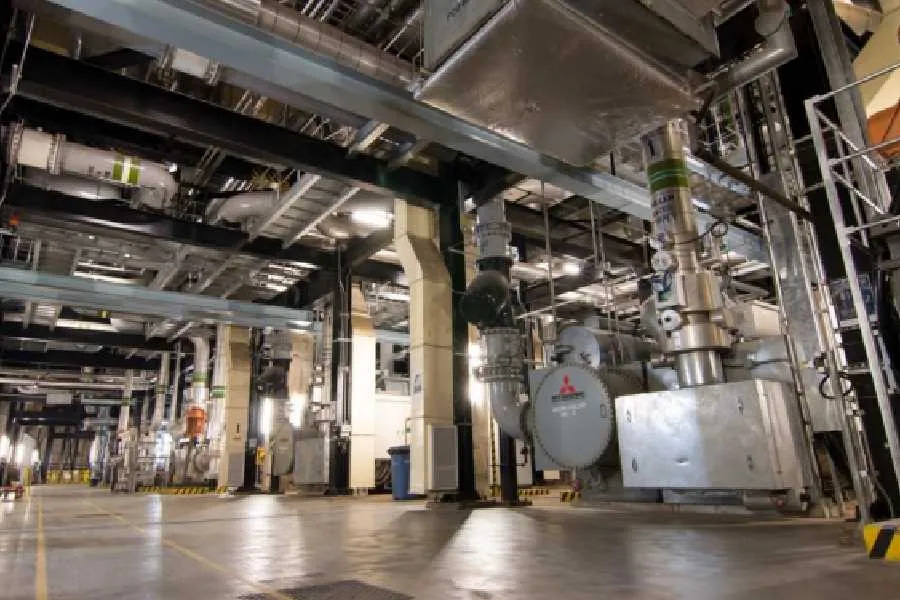
Singapore has revived a 19th-century district cooling system, using underground pipes to supply chilled water to buildings, as a response to rising temperatures and energy challenges. The Marina Bay network, operational since 2006, is among the world's largest, serving 27 buildings and reducing energy consumption by at least 20%. The system freezes ice at night to meet daytime cooling needs and is expanding to more areas. This approach is gaining global interest, especially in the Middle East, with the district cooling market projected to reach $60 billion by 2034.
First-hand measurement across 2 sources
We measured how 2 outlets covered this story. Coverage leans balanced overall (Left 0%, Centre 100%, Right 0%). Overall sentiment is positive (72/100). Lens Score 34/100 — low public interest.
Outlets analysed (first-hand measurement by TBN's Bias Engine):
- thetelegraph— balanced framing, positive sentiment
- businessstandard— balanced framing, positive sentiment
AI Analysis
The articles present a largely technical and environmental perspective, focusing on Singapore's climate adaptation efforts without political framing. They highlight government and industry initiatives, expert opinions, and global market trends, reflecting a pragmatic approach to energy and environmental challenges. There is no evident partisan bias, with coverage centered on innovation and sustainability.
The tone across the articles is generally positive, emphasizing the benefits of district cooling in energy efficiency and climate resilience. The coverage highlights technological revival and expansion plans, portraying the system as a constructive response to environmental challenges. While acknowledging rising temperatures and energy concerns, the sentiment remains optimistic about solutions and future growth.