54 minutes agoBusiness
22LENS
2 Sources
 thebalanced.news
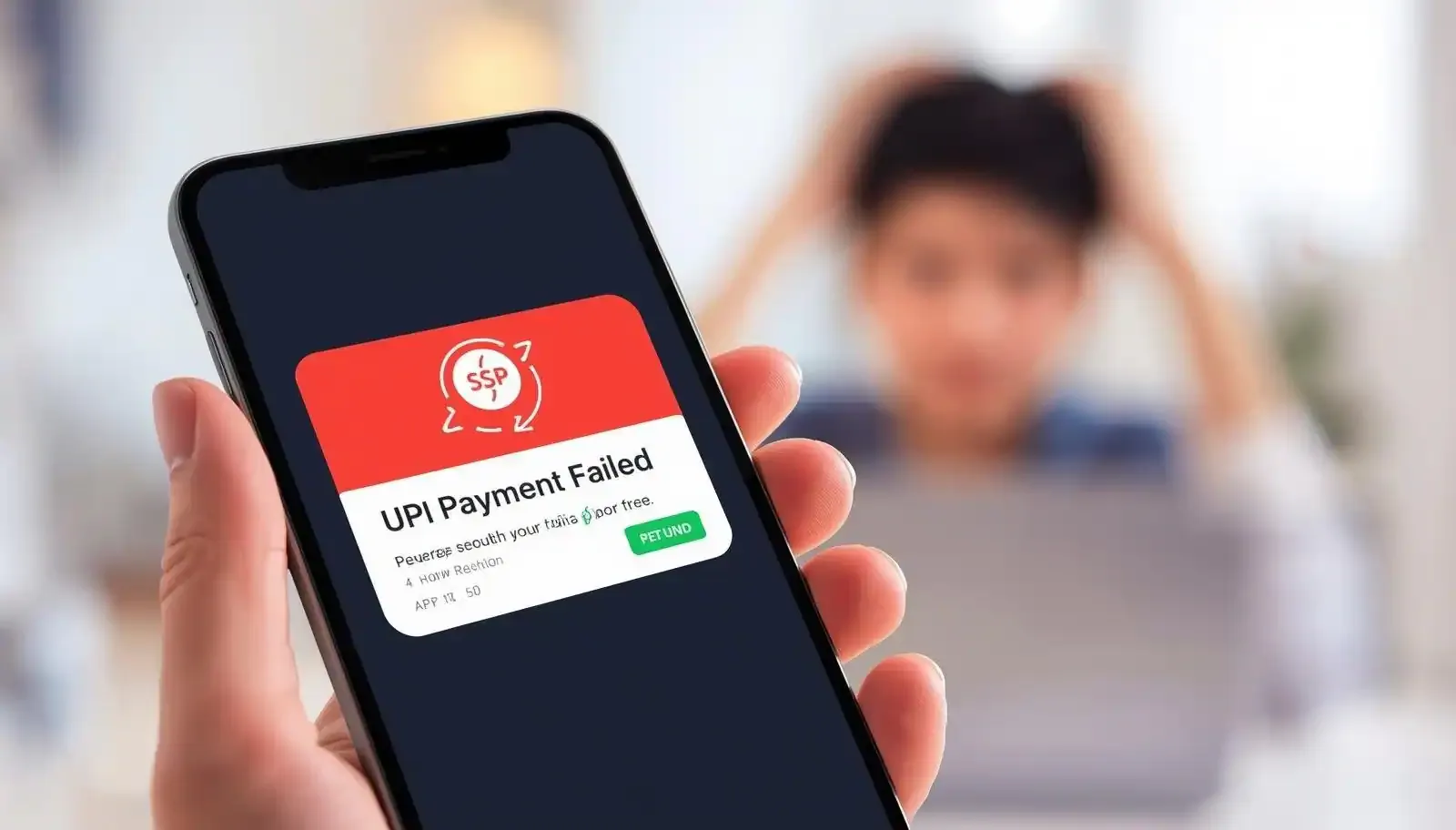
Factors Behind UPI Transaction Failures and Temporary Limit Reductions in India
UPI transactions in India may fail or face reduced limits despite sufficient account balance due to various factors. Common causes include server or network issues, incorrect receiver information, and bank-imposed transaction limits. Temporary reductions in transaction limits can result from multiple failed attempts, wrong PIN entries, fraud detection, or system updates. Banks monitor transactions to prevent fraud, and limits are typically reset after verification to protect customers and ensure secure payments.
Political Bias
0%100%0%
Sentiment
60%
AI Analysis
Political bias across 2 sources
● Left 0%● Center 100%● Right 0%
The articles focus on technical and procedural aspects of UPI transactions without engaging in political discourse. They present information from a neutral standpoint, emphasizing banking operations, regulatory guidelines, and risk management practices. No political viewpoints or partisan framing are evident, reflecting a purely informational and consumer-oriented perspective.
Sentiment — Neutral (60/100)
The overall tone across the articles is neutral and informative, aiming to explain common issues and preventive measures related to UPI transactions. While acknowledging user frustrations with failed payments or reduced limits, the coverage remains factual and reassuring, highlighting that most problems are temporary and safeguards are in place to protect customers.
How 2 sources covered this story
Each source's own headline, political lean, and sentiment — so you can see framing differences at a glance.
| Source | Their headline | Bias | Sentiment |
|---|---|---|---|
| moneycontrol | Why your UPI transaction limit suddenly drops in India and how banks review and reset it- Moneycontrol.com | Center | Neutral |
| moneycontrol | Why your UPI transaction failed even with enough money- Moneycontrol.com | Center | Neutral |
Coverage timeline
moneycontrol broke this story on 24 May, 06:14 am. Other outlets followed.
- 1moneycontrol24 May, 06:14 amWhy your UPI transaction failed even with enough money- Moneycontrol.com
- 2moneycontrol24 May, 06:22 amWhy your UPI transaction limit suddenly drops in India and how banks review and reset it- Moneycontrol.com
Lens Score breakdown
22/100
Public interest0/100
Coverage gap100%
Well-covered story — coverage matches public importance.
Story context
- Category
- Business
- Sources analysed
- 2
- Last analysed
- 24 May 2026
- Key entities
- Server (computing)Mobile appUnited Press InternationalPayment systemCache (computing)AuthenticationInternetChequeBankPostal Index NumberRisk management
Related Coverage
Select a news story to see related coverage from other media outlets.