Extreme Heat Reduces Productivity at Indian Garment Factories Supplying Global Brands
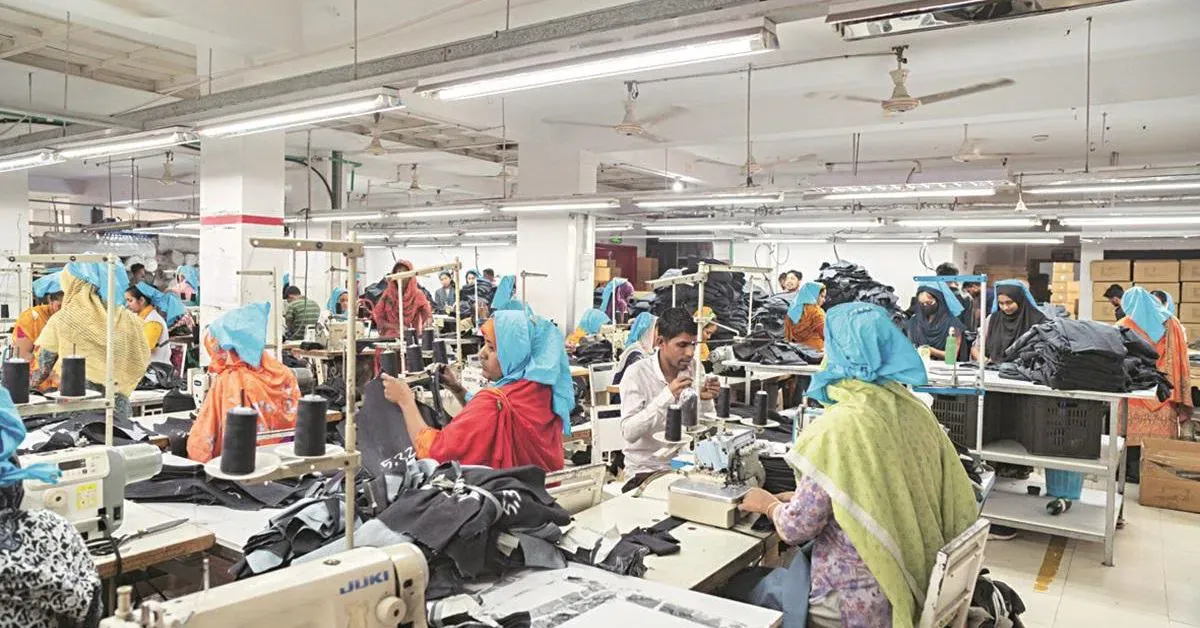
Extreme heatwaves across India, with temperatures exceeding 45°C and reaching up to 48.2°C, are causing productivity losses of up to 10% in garment factories supplying global brands like Uniqlo, Marks & Spencer, and Tesco. A study by the NYU Stern Center for Business and Human Rights found that high temperatures affect product quality, delivery reliability, and worker attendance, impacting India's $39 billion apparel export industry employing 45 million people, mostly women. Suppliers are using temporary measures to cope, but risks to the sector's future remain significant.
First-hand measurement across 2 sources
We measured how 2 outlets covered this story. Coverage leans balanced overall (Left 15%, Centre 80%, Right 5%). Overall sentiment is neutral (40/100). Lens Score 34/100 — low public interest.
Outlets analysed (first-hand measurement by TBN's Bias Engine):
- economictimes— balanced framing, neutral sentiment
- businessstandard— balanced framing, neutral sentiment
AI Analysis
The articles present a largely neutral perspective focused on the economic and operational impacts of heatwaves on India's garment industry. They include viewpoints from research institutions and factory managers without political framing. The coverage emphasizes climate-related challenges and industry responses, avoiding partisan or ideological interpretations.
The overall tone is factual and concerned, highlighting the negative effects of extreme heat on productivity and worker conditions. While the reports note coping strategies by suppliers, the sentiment remains cautious due to ongoing risks and potential disruptions, reflecting a predominantly negative but balanced outlook on the situation.
How 2 sources covered this story
Each source's own headline, political lean, and sentiment — so you can see framing differences at a glance.