1 hour agoGeneric
28LENS
2 SourcesIndia
 thebalanced.news
Rare Blue Moon to Appear on May 31, 2026, Marking Second Full Moon of Month
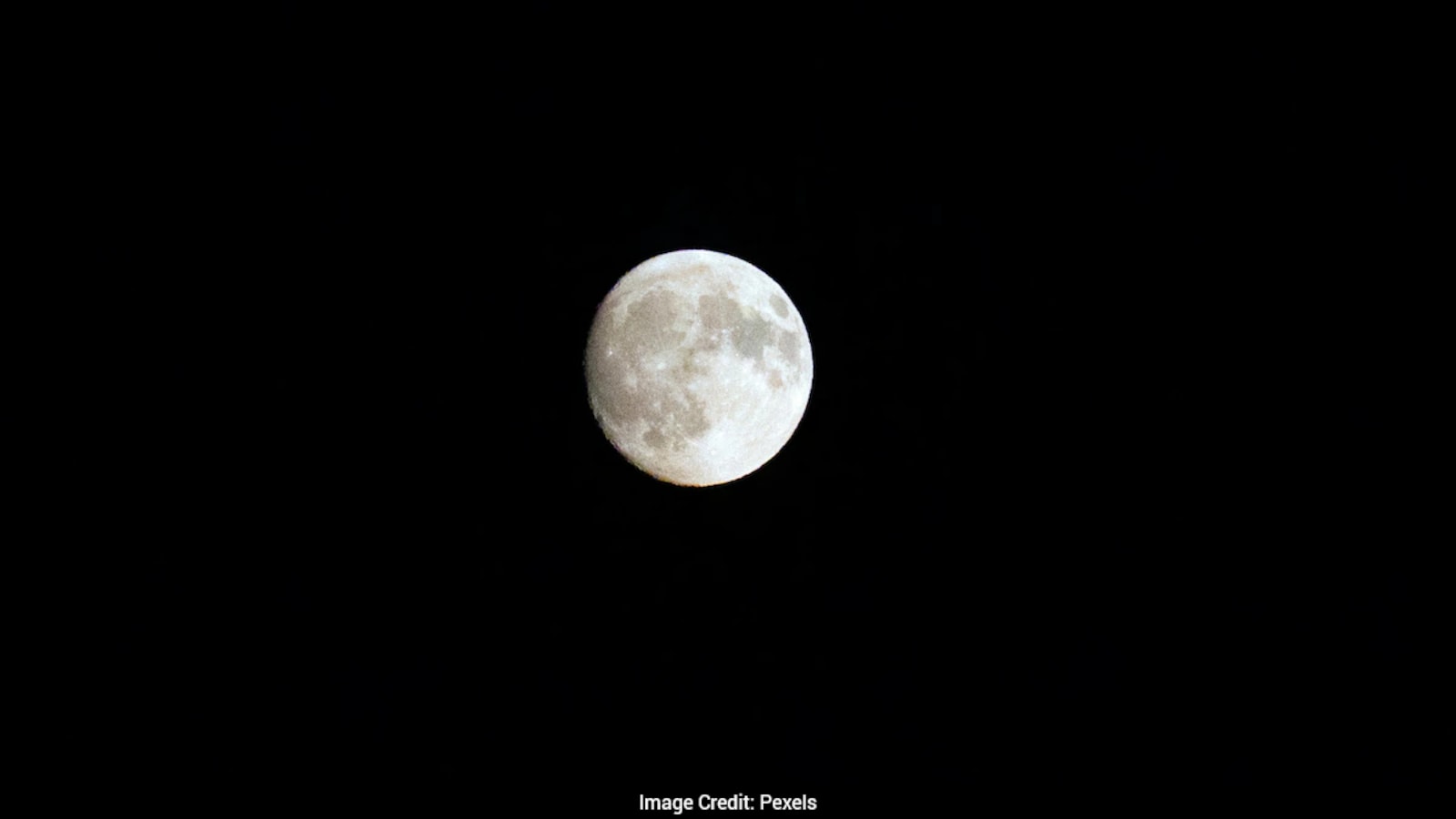
A rare Blue Moon will occur on May 31, 2026, marking the second full Moon within the same calendar month, following the first full Moon on May 1 known as the Flower Moon. This phenomenon arises because the Moon's 29.5-day cycle does not align perfectly with the calendar, resulting in 13 full Moons in 2026 instead of the usual 12. The Blue Moon will rise in the eastern sky, appearing lower and near the constellation Virgo, though it will not actually appear blue.
Political Bias
0%100%0%
Sentiment
65%
AI Analysis
Political bias across 2 sources
● Left 0%● Center 100%● Right 0%
The articles present a straightforward scientific explanation of the Blue Moon phenomenon without political framing. Both sources focus on astronomical facts and timing, with no evident political perspectives or partisan interpretations. The coverage is purely informational, emphasizing natural cycles and skywatching details.
Sentiment — Neutral (65/100)
The tone across the articles is neutral and informative, highlighting the rarity and interest of the Blue Moon event without emotional or sensational language. The coverage maintains a factual and educational approach, aiming to inform readers about the timing and nature of the phenomenon.
How 2 sources covered this story
Each source's own headline, political lean, and sentiment — so you can see framing differences at a glance.
| Source | Their headline | Bias | Sentiment |
|---|---|---|---|
| economictimes | Rare Blue Moon to light up skies this May: When and where can you watch it | Center | Positive |
| ndtv | Blue Moon 2026: Rare Second Full Moon To Light Up Sky On May 31 | Center | Neutral |
Coverage timeline
ndtv broke this story on 23 May, 03:08 pm. Other outlets followed.
- 1ndtv23 May, 03:08 pmBlue Moon 2026: Rare Second Full Moon To Light Up Sky On May 31
- 2economictimes24 May, 11:29 amRare Blue Moon to light up skies this May: When and where can you watch it
Lens Score breakdown
28/100
Public interest0/100
Coverage gap100%
Well-covered story — coverage matches public importance.
Story context
- Category
- Generic
- Location
- India
- Sources analysed
- 2
- Last analysed
- 24 May 2026
- Key entities
- Full moonMoonEarthOrbit of the MoonLunar phaseOrbitSunConstellationAstronomyArtificial intelligenceBBCIndia
Related Coverage
Select a news story to see related coverage from other media outlets.