1 hour agoPolitics
30LENS
2 SourcesFederally Administered Tribal Areas, Pakistan
 thebalanced.news
India Advances Toward Eliminating Naxal Insurgency by 2026 Through Security and Development
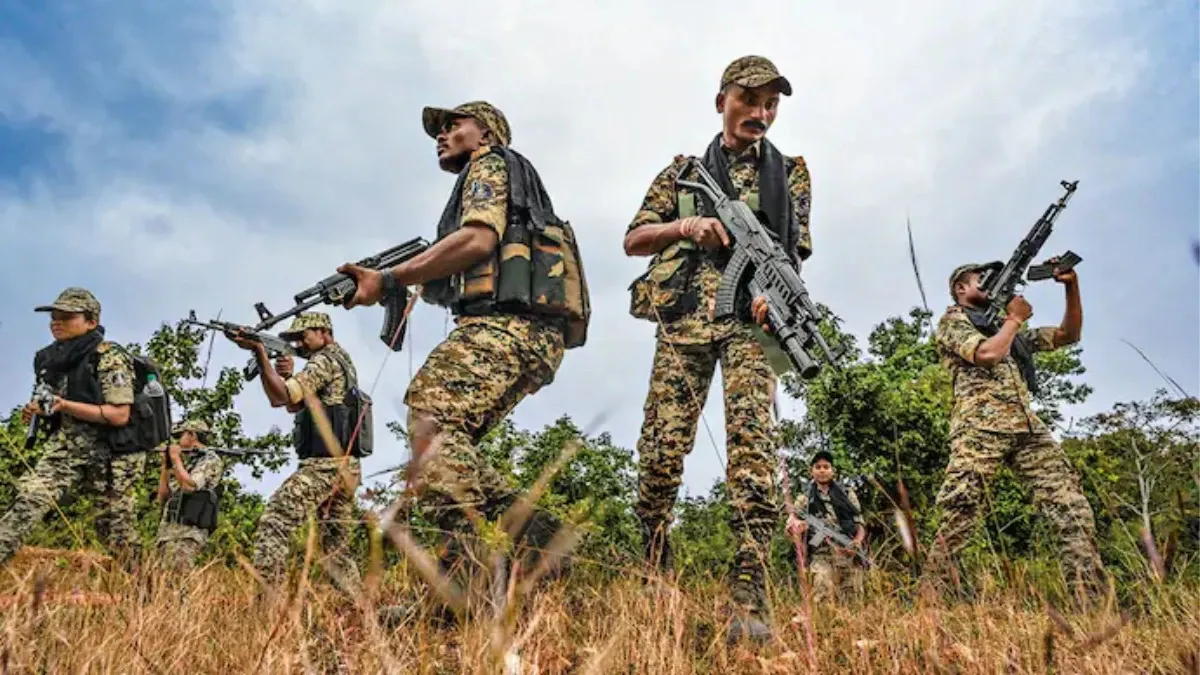
Naxal insurgency in India has significantly declined, with violence and affected districts reducing sharply since its peak between 2004 and 2014. The government aims to achieve a 'Naxal Mukt Bharat' by March 2026, attributing progress to coordinated security operations and development initiatives. Key strategies include enhanced security measures, local tribal recruitment, and infrastructure development, particularly in regions like Bastar and Chhattisgarh. While past political approaches lacked decisiveness, recent integrated efforts have led to substantial reductions in Maoist activity.
Political Bias
15%47%38%
Sentiment
72%
AI Analysis
Political bias across 2 sources
● Left 15%● Center 47%● Right 38%
The articles present perspectives highlighting government efforts, particularly under current leadership, emphasizing political will and strategic changes post-2014. They contrast this with earlier periods marked by policy challenges under previous administrations. Both sources focus on official statements and government-led initiatives, reflecting a narrative centered on state actions without extensive opposition viewpoints.
Sentiment — Positive (72/100)
The overall tone is cautiously optimistic, emphasizing significant progress in reducing Naxal violence and territorial influence. Coverage acknowledges past challenges and violence but focuses on positive developments resulting from combined security and development strategies. The sentiment is constructive, highlighting achievements while implying ongoing efforts to sustain peace.
How 2 sources covered this story
Each source's own headline, political lean, and sentiment — so you can see framing differences at a glance.
| Source | Their headline | Bias | Sentiment |
|---|---|---|---|
| indiatoday | Beyond the gun: Winning permanent peace in India's Naxal belt | Center | Positive |
| timesnow | Maoist Free India-An Ode to Political Will | Right | Positive |
Coverage timeline
timesnow broke this story on 23 May, 04:59 am. Other outlets followed.
- 1timesnow23 May, 04:59 amMaoist Free India-An Ode to Political Will
- 2indiatoday24 May, 03:28 amBeyond the gun: Winning permanent peace in India's Naxal belt
Lens Score breakdown
30/100
Public interest0/100
Coverage gap100%
Well-covered story — coverage matches public importance.
Who's involved
Institutions and figures named across source coverage.
Government
State GovernmentsCentral GovernmentUnion Home MinistryIntelligence AgenciesLocal AdministrationSecurity Forces
Political
CongressModi-Shah leadership
Enforcement
Intelligence AgenciesDRGCRPFSecurity Forces
Story context
- Category
- Politics
- Location
- Federally Administered Tribal Areas, Pakistan
- Sources analysed
- 2
- Last analysed
- 24 May 2026
- Key entities
- Naxalite–Maoist insurgencyDistrictMinister of Home Affairs (India)ChhattisgarhDantewada districtInsurgencyMaoismExtremismIntelligence agencyFederally Administered Tribal AreasCommunist Party of India (Marxist–Leninist) People's WarMaoist Communist Centre of India
Related Coverage
Select a news story to see related coverage from other media outlets.