UN Reports 3.8 Million Afghan Girls Out of School Amid Taliban Restrictions
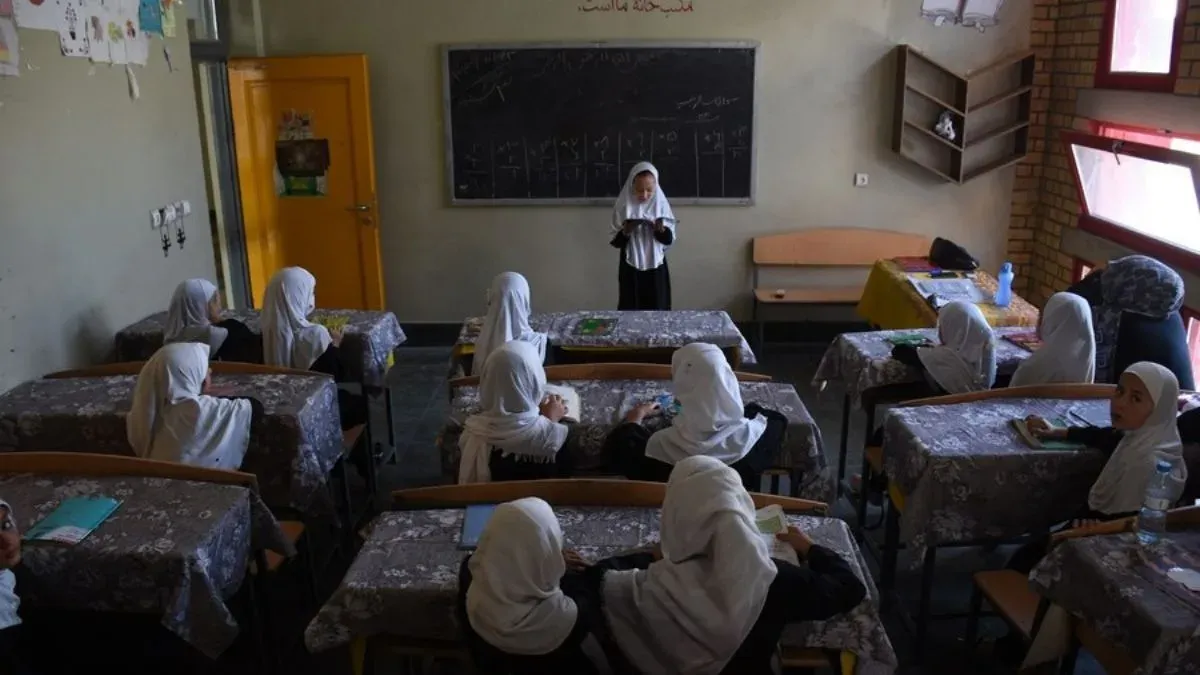
The United Nations reports that nearly 3.8 million girls aged seven to 18 in Afghanistan remain out of school due to Taliban-imposed restrictions, including a ban on secondary education for over 2.6 million adolescent girls. The UN warns this could create a "lost generation" and impact the country's social and economic development. Additionally, about 21.9 million Afghans will require humanitarian aid in 2026 amid ongoing poverty, unemployment, and limited public services, with 2.8 million expected to return from neighboring countries.
First-hand measurement across 2 sources
We measured how 2 outlets covered this story. Coverage leans left-leaning overall (Left 76%, Centre 22%, Right 2%). Overall sentiment is negative (25/100). Lens Score 37/100 — moderate-to-low public interest.
Outlets analysed (first-hand measurement by TBN's Bias Engine):
- thestatesman— left-leaning framing, negative sentiment
- theassamtribune— left-leaning framing, negative sentiment
AI Analysis
The articles present perspectives primarily from UN officials highlighting humanitarian and educational challenges in Afghanistan under Taliban rule. They focus on the impact of Taliban policies without including Taliban viewpoints or responses. The coverage emphasizes international concern and humanitarian needs, reflecting a global institutional perspective rather than local political narratives.
The overall tone is serious and concerned, emphasizing the negative consequences of educational restrictions and humanitarian crises in Afghanistan. The sentiment is largely cautionary, focusing on risks such as a "lost generation" and worsening poverty, without overtly emotional or sensational language.
How 2 sources covered this story
Each source's own headline, political lean, and sentiment — so you can see framing differences at a glance.