India Urges UN to Update Afghanistan Sanctions Reflecting Changed Political Reality
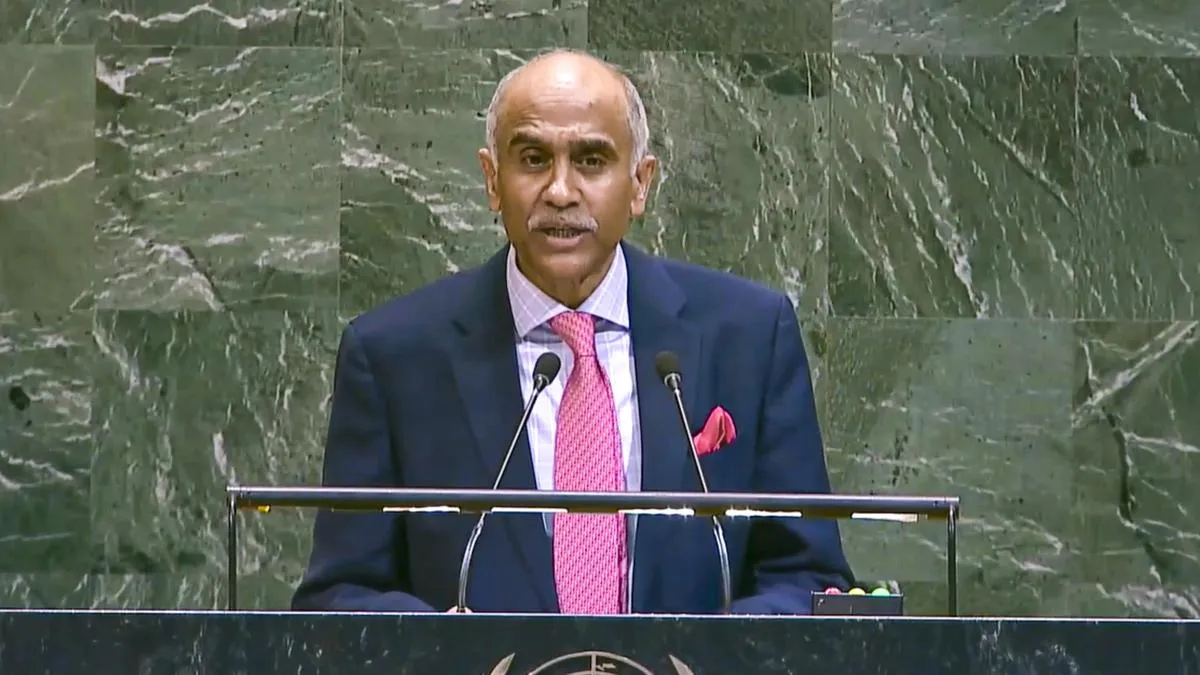
India has urged the United Nations Security Council to reconsider the existing sanctions regime on Afghanistan, emphasizing that it should reflect the country's changed political reality since the Taliban took control in 2021. India's Permanent Representative to the UN, Ambassador Harish Parvathaneni, called for policy tools that incentivize positive actions and benefit the Afghan people rather than relying solely on punitive measures. India reaffirmed its commitment to Afghanistan through humanitarian aid and development cooperation across all provinces.
First-hand measurement across 4 sources
We measured how 4 outlets covered this story. Coverage leans balanced overall (Left 10%, Centre 80%, Right 10%). Overall sentiment is neutral (61/100). Lens Score 32/100 — low public interest.
Outlets analysed (first-hand measurement by TBN's Bias Engine):
- httpswwwoutlookindiacom— balanced framing, neutral sentiment
- httpswwwoutlookindiacom— balanced framing, neutral sentiment
- thehindu— balanced framing, neutral sentiment
- httpswwwoutlookindiacom— balanced framing, neutral sentiment
AI Analysis
The article group primarily presents India's diplomatic stance advocating for a revision of UN sanctions on Afghanistan. It reflects a perspective favoring engagement and incentives over punitive isolation, highlighting India's supportive role. The coverage focuses on official statements without including dissenting views or critiques, thus representing mainly the Indian government's viewpoint within the UN context.
The overall tone across the articles is measured and constructive, emphasizing India's call for positive policy shifts and humanitarian support. The sentiment is neutral to mildly positive, focusing on cooperation and development rather than conflict or criticism. There is no evident negative or sensational language, maintaining a professional and diplomatic tone throughout.
How 4 sources covered this story
Each source's own headline, political lean, and sentiment — so you can see framing differences at a glance.