1 hour agoPolitics
33LENS
2 SourcesTamil Nadu, India
 thebalanced.news
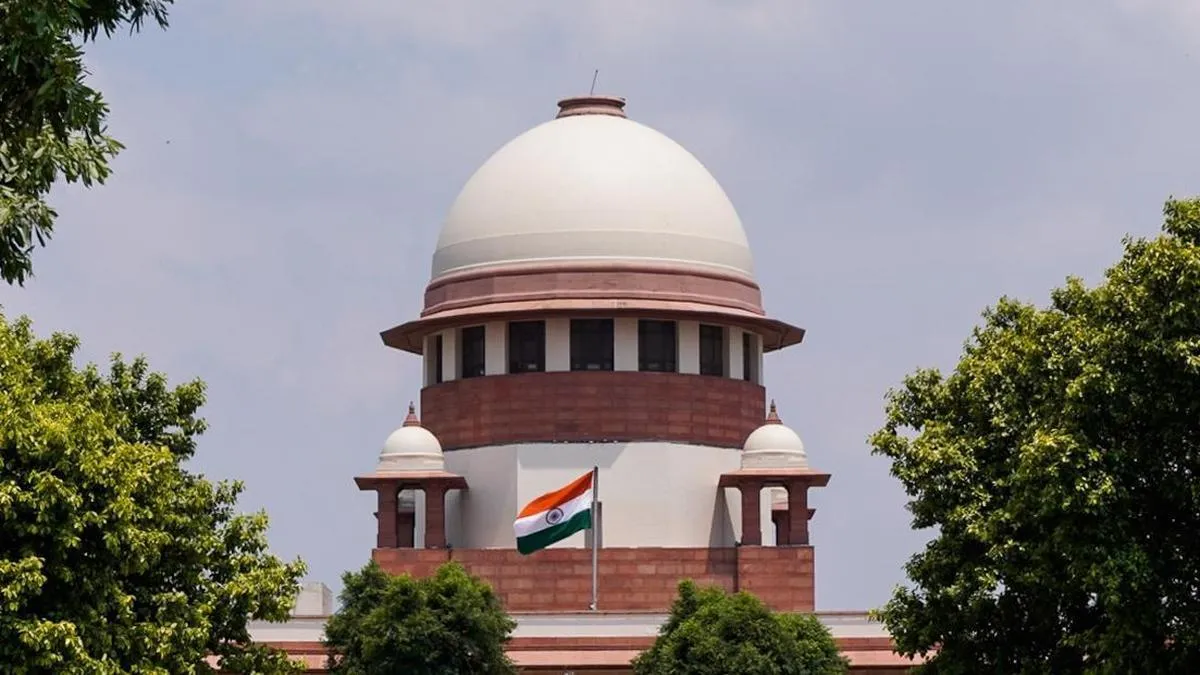
Supreme Court Allows Revival of Sedition Trials Amid Debate Over Colonial-Era Law
The Supreme Court of India revived proceedings under Section 124A (sedition) of the Indian Penal Code on May 21, 2026, allowing trials to continue if accused persons consent. This follows a 2022 interim order that had stayed such cases, citing the law's colonial origins and its chilling effect on free speech. Critics argue that consent may be coerced due to delays, and note that Parliament replaced Section 124A with Section 152 under the Bharatiya Nyaya Sanhita in 2024, maintaining stringent penalties. The court's recent decision aims to ensure speedy trials but has reignited debate over the law's relevance and application.
Political Bias
65%30%5%
Sentiment
32%
AI Analysis
Political bias across 2 sources
● Left 65%● Center 30%● Right 5%
The articles present perspectives from the judiciary, government, and legal critics, reflecting a range of views on the sedition law's colonial legacy and current application. The Supreme Court's position and government statements emphasize legal and procedural considerations, while critics highlight concerns about potential coercion and misuse. The coverage balances institutional viewpoints with civil liberties critiques without favoring any political ideology.
Sentiment — Negative (32/100)
The tone across the articles is measured and analytical, focusing on legal developments and their implications. While acknowledging the law's oppressive history and concerns about misuse, the coverage also notes the court's intent to protect accused persons' rights through speedy trials. Overall, the sentiment is mixed, combining cautious critique with recognition of judicial and legislative actions.
How 2 sources covered this story
Each source's own headline, political lean, and sentiment — so you can see framing differences at a glance.
| Source | Their headline | Bias | Sentiment |
|---|---|---|---|
| thehindu | Coerced consent: On sedition | Left | Negative |
| thehindu | SC revival of Section 124A proceedings revives debate over colonial-era sedition law | Left | Neutral |
Coverage timeline
thehindu broke this story on 24 May, 02:15 pm. Other outlets followed.
- 1thehindu24 May, 02:15 pmSC revival of Section 124A proceedings revives debate over colonial-era sedition law
- 2thehindu24 May, 06:55 pmCoerced consent: On sedition
Lens Score breakdown
33/100
Public interest0/100
Coverage gap100%
Well-covered story — coverage matches public importance.
Accountability flags
TBN's analysis identified the following accountability dimensions in this story.
- abuse of power
This story involves alleged misuse of official authority or institutional position to achieve personal or political ends.
- systemic failure
This story points to a failure in institutional processes — regulation, safety, oversight, or service delivery breaking down at scale.
- rights violation
This story involves alleged violations of constitutional or human rights — freedom of expression, due process, custodial rights, minority rights.
Who's involved
Institutions and figures named across source coverage.
Government
ParliamentCentral GovernmentState GovernmentsUnion Government
Judiciary
Supreme CourtChief Justice of IndiaSupreme Court of India
Story context
- Category
- Politics
- Location
- Tamil Nadu, India
- Sources analysed
- 2
- Last analysed
- 24 May 2026
- Key entities
- SeditionIndian Penal CodeImmanuel KantChilling effectFreedom of speechConstitutionIndiaLibertyGovernment of IndiaSupreme Court of the United StatesAffidavitLife imprisonment
Related Coverage
Select a news story to see related coverage from other media outlets.