India Explores Oman-Gujarat Gas Pipeline and Energy Diversification Amid Hormuz Risks
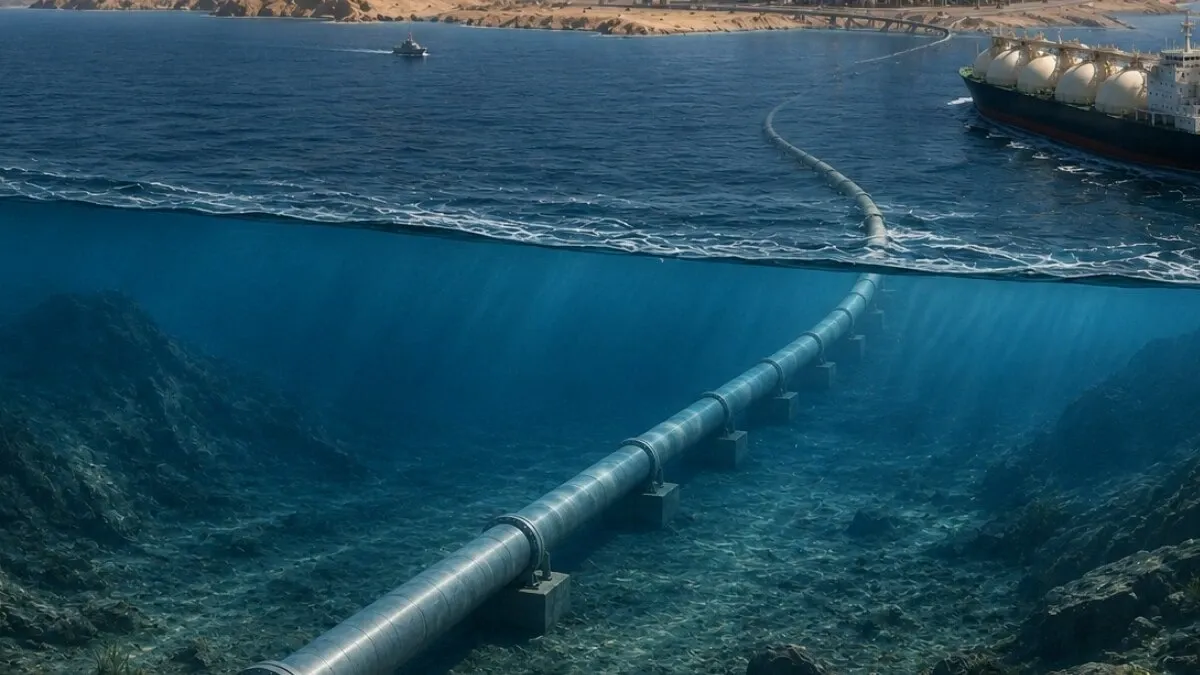
India is reconsidering a proposed 2,000-kilometre deep-sea gas pipeline from Oman to Gujarat to enhance energy security by bypassing the geopolitically sensitive Strait of Hormuz, a key route for its oil and gas imports. Supporters view it as a strategic move to reduce reliance on vulnerable maritime routes, while critics highlight engineering challenges. Concurrently, experts emphasize diversifying energy sources, including accelerating renewable energy and utilizing waste-to-energy initiatives, to address India's broader energy independence and economic stability concerns.
First-hand measurement across 3 sources
We measured how 3 outlets covered this story. Coverage leans balanced overall (Left 10%, Centre 80%, Right 10%). Overall sentiment is positive (72/100). Lens Score 28/100 — low public interest.
Outlets analysed (first-hand measurement by TBN's Bias Engine):
- zeenews— balanced framing, positive sentiment
- english— balanced framing, positive sentiment
- indiatoday— balanced framing, neutral sentiment
AI Analysis
The articles present a range of perspectives, including government-backed enthusiasm for the Oman-Gujarat pipeline as a strategic energy initiative and expert calls for broader energy diversification. The BJP's promotion of the pipeline reflects a political framing focused on energy independence, while other sources emphasize pragmatic challenges and alternative solutions. Overall, the coverage balances official optimism with critical and strategic viewpoints without favoring any political ideology.
The tone across the articles is cautiously optimistic, highlighting potential benefits of the pipeline and renewable energy expansion while acknowledging significant technical and strategic challenges. The sentiment reflects concern over geopolitical risks but also a proactive approach to energy security, combining hopeful prospects with realistic assessments of obstacles and the need for diversified solutions.