1 hour agoPolitics
34LENS
2 SourcesNew Delhi, India
 thebalanced.news
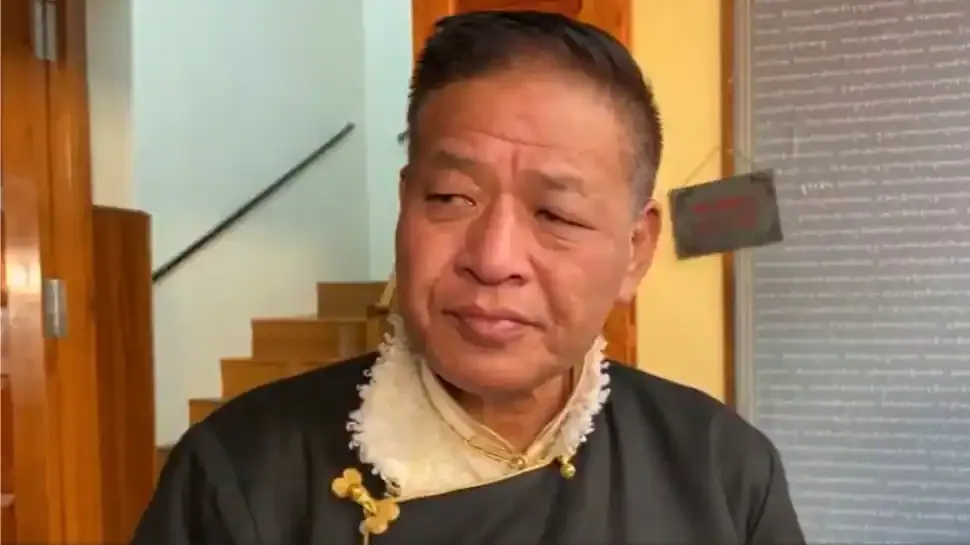
US Invites Tibetan Leader Penpa Tsering to Independence Day Reception in Delhi
The United States has invited Penpa Tsering, president of the Central Tibetan Administration (CTA), to a reception in New Delhi marking America's 250th Independence Day, where Secretary of State Marco Rubio is expected to speak. This invitation signals continued US support for Tibetan issues and aligns with bipartisan policies like the Tibetan Policy and Support Act. The CTA represents over 100,000 Tibetans in exile advocating for autonomy and human rights. China is expected to object, viewing the gesture as interference in its internal affairs.
Political Bias
25%65%10%
Sentiment
60%
AI Analysis
Political bias across 2 sources
● Left 25%● Center 65%● Right 10%
The articles present a US diplomatic perspective emphasizing support for the Tibetan government-in-exile and legislative backing, reflecting bipartisan US policy. They also acknowledge China's likely objections, representing the Chinese government's stance on sovereignty and internal affairs. The coverage balances US advocacy for Tibetan autonomy with recognition of the sensitive US-China relationship.
Sentiment — Neutral (60/100)
The tone across the articles is neutral to cautiously positive, highlighting the symbolic importance of the invitation for the Tibetan exile community and US legislative support. While noting potential Chinese objections, the coverage avoids sensationalism, maintaining a factual and measured presentation of the diplomatic gesture and its implications.
How 2 sources covered this story
Each source's own headline, political lean, and sentiment — so you can see framing differences at a glance.
| Source | Their headline | Bias | Sentiment |
|---|---|---|---|
| zeenews | US invites Tibetan leader, Penpa Tsering, to Marco Rubio's Independence Day reception in Delhi | Center | Neutral |
| wion | Tibetan leader Penpa Tsering invited to Marco Rubio's Independence Day reception in Delhi | Center | Neutral |
Coverage timeline
wion broke this story on 24 May, 11:30 am. Other outlets followed.
- 1wion24 May, 11:30 amTibetan leader Penpa Tsering invited to Marco Rubio's Independence Day reception in Delhi
- 2zeenews24 May, 01:08 pmUS invites Tibetan leader, Penpa Tsering, to Marco Rubio's Independence Day reception in Delhi
Lens Score breakdown
34/100
Public interest0/100
Coverage gap100%
Well-covered story — coverage matches public importance.
Who's involved
Institutions and figures named across source coverage.
Government
United States Department of StateCentral Tibetan Administration
Political
Central Tibetan AdministrationUnited States Congress
Religious
Tibetan Buddhism
Story context
- Category
- Politics
- Location
- New Delhi, India
- Sources analysed
- 2
- Last analysed
- 24 May 2026
- Key entities
- Penpa TseringIndependence Day (United States)TibetMarco RubioCentral Tibetan AdministrationChinaTibetan diaspora14th Dalai LamaUnited States Secretary of StateDonald TrumpBeijingDelhi
Related Coverage
Select a news story to see related coverage from other media outlets.