2 hours agoTech
29LENS
2 SourcesSaudi Arabia
 thebalanced.news
Saudi Researchers Develop Electricity-Free Cooling System Using Salt and Sunlight
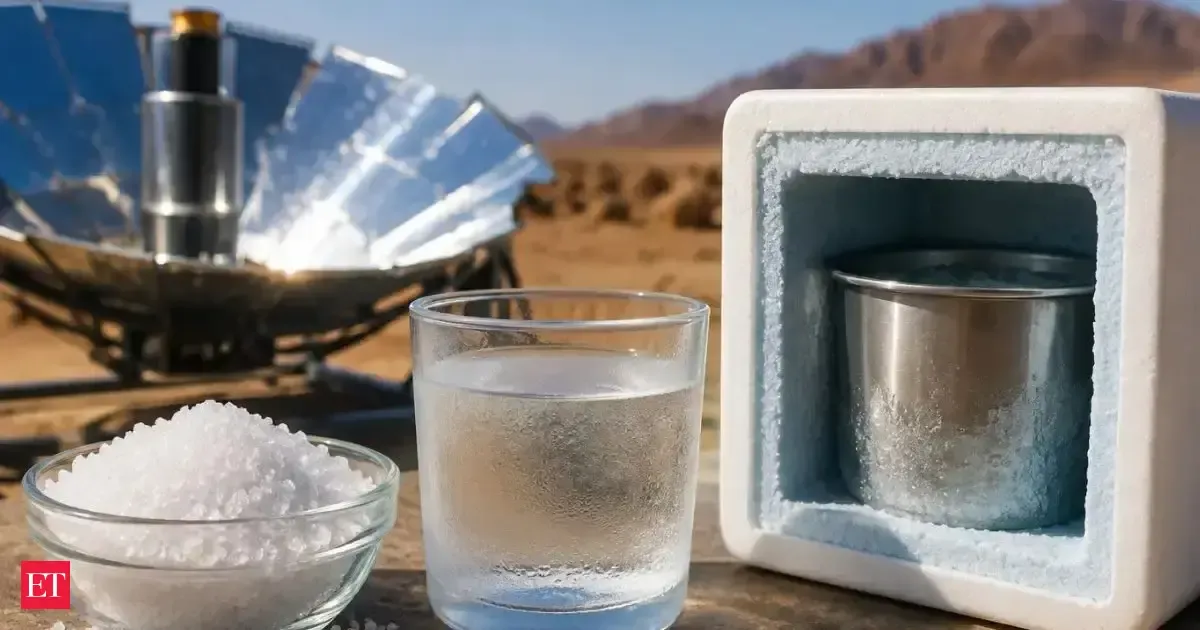
Researchers at King Abdullah University of Science and Technology in Saudi Arabia have developed NESCOD, a cooling system that uses ammonium nitrate's endothermic dissolution in water to rapidly lower temperatures without electricity. The system cools from about 25°C to near 3.6°C within 20 minutes and maintains temperatures below 15°C for over 15 hours. Powered by sunlight for regeneration, NESCOD offers a sustainable, off-grid refrigeration solution, potentially benefiting areas lacking reliable electricity and reducing cooling costs in regions like the US Sun Belt.
Political Bias
0%100%0%
Sentiment
75%
AI Analysis
Political bias across 2 sources
● Left 0%● Center 100%● Right 0%
The articles primarily present a scientific and technological innovation without explicit political framing. They highlight the benefits of the cooling system for low-income and electricity-scarce populations, reflecting concerns about energy costs and access. The coverage includes perspectives on sustainability and affordability but does not engage in partisan debate or policy critique, maintaining a neutral stance focused on the technology's potential impact.
Sentiment — Positive (75/100)
The overall tone across the articles is positive, emphasizing the innovation's promise to provide affordable, sustainable cooling without electricity. The coverage highlights benefits such as cost savings and environmental friendliness, with no significant negative or critical sentiment. The optimistic portrayal centers on the technology's potential to address energy challenges and improve quality of life in vulnerable communities.
How 2 sources covered this story
Each source's own headline, political lean, and sentiment — so you can see framing differences at a glance.
| Source | Their headline | Bias | Sentiment |
|---|---|---|---|
| economictimes | Forget AC, scientists create salt water cooling system that works without electricity, keeps temperature near fridge levels for 15 hours | Center | Positive |
| economictimes | Millions are ditching traditional air conditioning for this new electricity-free cooling method | Center | Positive |
Coverage timeline
economictimes broke this story on 23 May, 02:07 pm. Other outlets followed.
- 1economictimes23 May, 02:07 pmMillions are ditching traditional air conditioning for this new electricity-free cooling method
- 2economictimes24 May, 08:36 amForget AC, scientists create salt water cooling system that works without electricity, keeps temperature near fridge levels for 15 hours
Lens Score breakdown
29/100
Public interest0/100
Coverage gap100%
Well-covered story — coverage matches public importance.
Story context
- Category
- Tech
- Location
- Saudi Arabia
- Sources analysed
- 2
- Last analysed
- 24 May 2026
- Key entities
- Ammonium nitrateAlternating currentElectricityTemperatureSunlightSaudi ArabiaEndothermic processFood preservationSalt (chemistry)King Abdullah University of Science and TechnologyInternational Energy AgencySalt
Related Coverage
Select a news story to see related coverage from other media outlets.