14 hours agoBusiness
22LENS
3 SourcesMexico
 thebalanced.news
2026 FIFA World Cup Projected to Boost Global Economy and Employment
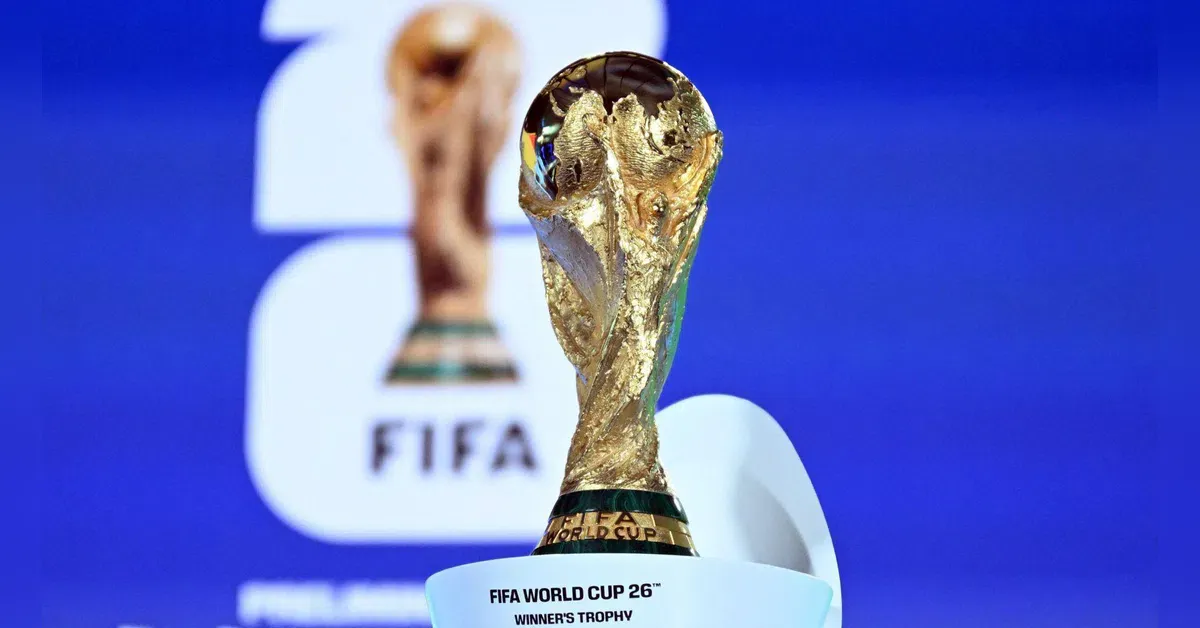
The 2026 FIFA World Cup, jointly hosted by the US, Canada, and Mexico, is projected to generate around $41 billion in global GDP and support over 824,000 jobs worldwide, according to Bank of America Global Research. Expected to attract 6 billion viewers and feature 48 teams, the event is anticipated to be the most data-intensive sporting tournament to date. Historically, World Cup announcements have coincided with significant economic events, highlighting its broader economic impact beyond sports.
Political Bias
0%100%0%
Sentiment
75%
AI Analysis
Political bias across 3 sources
● Left 0%● Center 100%● Right 0%
The articles primarily present an economic and investment-focused perspective, emphasizing the financial impact and opportunities associated with the 2026 FIFA World Cup. They include historical context linking past tournaments to economic events without attributing political causes or controversies. The coverage is largely neutral, focusing on data and projections from financial research without partisan framing.
Sentiment — Positive (75/100)
The overall tone is positive and optimistic, highlighting the economic benefits, job creation, and global engagement expected from the 2026 World Cup. While historical references to economic crises are mentioned, they are presented factually without negative emphasis, maintaining a balanced and informative sentiment throughout.
How 3 sources covered this story
Each source's own headline, political lean, and sentiment — so you can see framing differences at a glance.
| Source | Their headline | Bias | Sentiment |
|---|---|---|---|
| economictimes | Explained: How 2026 FIFA World Cup's AI boom is fueling chipmaker, data centre REIT valuations | Center | Positive |
| businessstandard | Fifa World Cup 2026 is a 41 bn investment theme - and Wall Street wants in | Center | Positive |
| businessstandard | FIFA world cup, stock market crash, economic woes: What does history say? | Center | Positive |
Coverage timeline
businessstandard broke this story on 8 May, 01:09 am. Other outlets followed.
- 1businessstandard8 May, 01:09 amFIFA world cup, stock market crash, economic woes: What does history say?
- 2businessstandard8 May, 04:59 amFifa World Cup 2026 is a 41 bn investment theme - and Wall Street wants in
- 3economictimes8 May, 11:35 amExplained: How 2026 FIFA World Cup's AI boom is fueling chipmaker, data centre REIT valuations
Lens Score breakdown
22/100
Public interest0/100
Coverage gap100%
Well-covered story — coverage matches public importance.
Story context
- Category
- Business
- Location
- Mexico
- Sources analysed
- 3
- Last analysed
- 8 May 2026
- Key entities
- Gross domestic productFIFA World CupMexicoArtificial intelligenceCanadaBank of AmericaQatarFIFAStock marketDonald TrumpUnited StatesByte
Related Coverage
Select a news story to see related coverage from other media outlets.