Our Writers & Analysts
The team behind The Balanced News — covering politics, technology, business, media literacy, and investigative journalism.
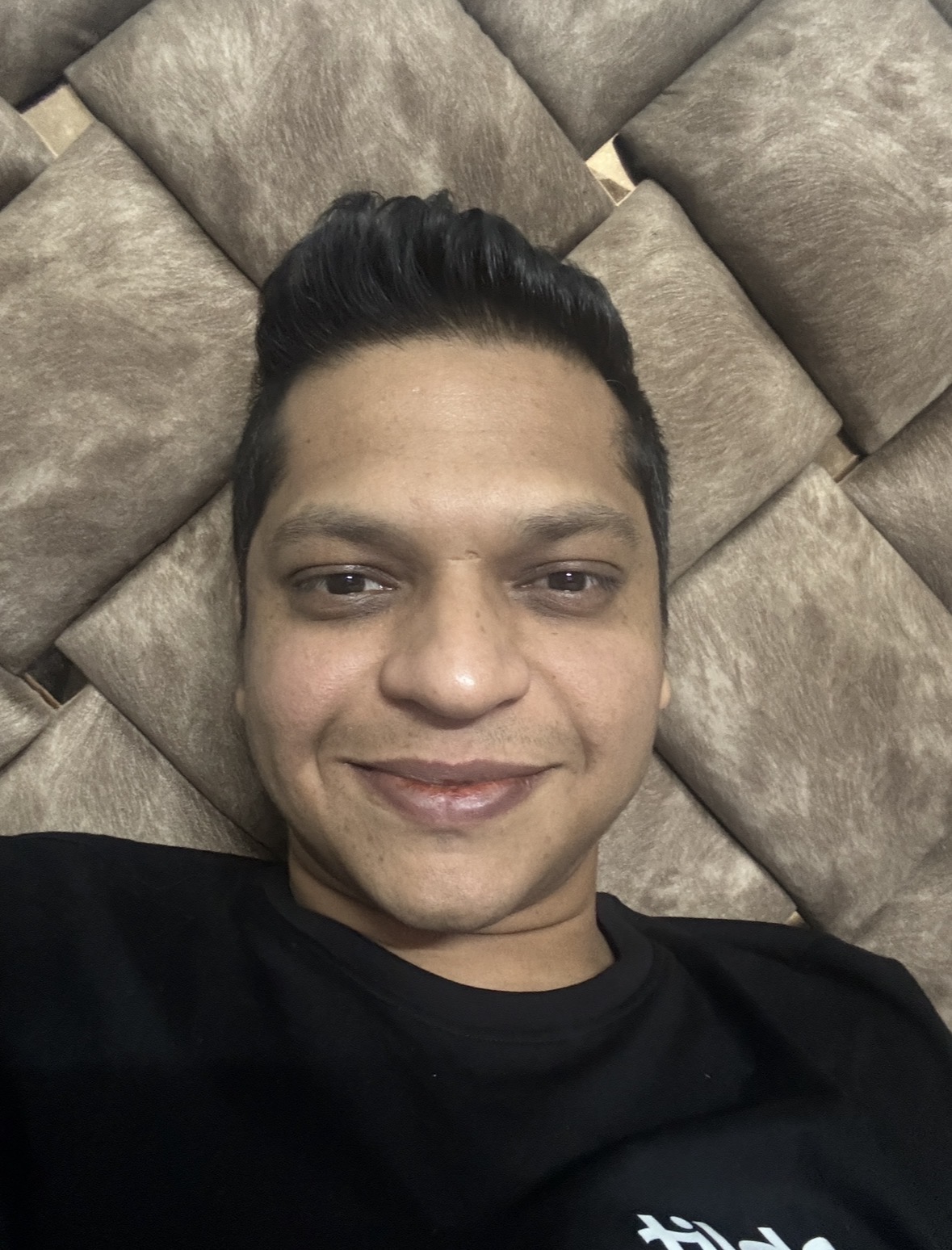
Ojas Kale
Founder & Editor
Ojas Kale is the founder of The Balanced News and CEO of Ambasync Solution Pvt Ltd. He built India's only news platform with AI-powered bias detection to combat media polarization and help readers see the complete picture across 50+ news sources. As editor-in-chief, Ojas sets the editorial standards every published story is held to: multi-source coverage analysis, transparent bias scoring, honest disclosure that the underlying analysis is machine-generated, with its methodology designed and overseen by a named editorial team, and a corrections policy with a public log. He reviews escalations across all beats — politics, business, technology, culture, accountability — and personally signs off on the methodology behind every measurement TBN publishes, including the political-inclination spectrum (Left/Centre/Right percentages), sentiment scoring, and the Lens Score that quantifies the gap between a story's public importance and the actual media coverage it receives. Ojas's work focuses on making media-bias detection legible to readers who don't have time to compare ten outlets manually, and on building the Indian news ecosystem's first openly-documented bias dataset that researchers and journalists can cite. He oversees TBN's editorial standards, corrections policy, and partnerships, and is the point of contact for press, research, and accountability queries.
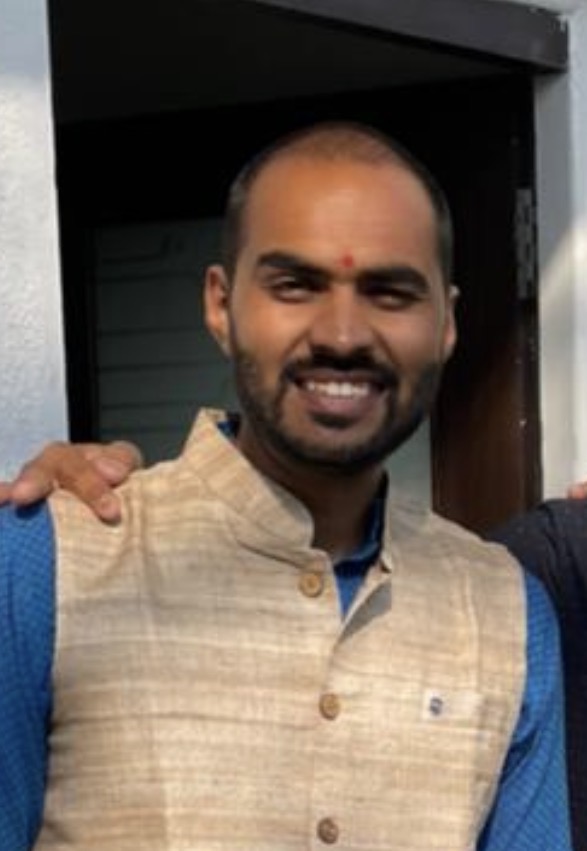
Ashwin Alsi
Technology Editor
Ashwin Alsi covers the intersection of technology and media at The Balanced News. He writes about AI, deepfakes, algorithmic bias, and how technology is reshaping how India consumes news. Within TBN's editorial workflow, Ashwin owns the AI bias-analysis methodology for the technology, science, and digital-policy beats — defining how the engine should identify framing, sentiment, and source attribution, how technical terminology is handled, and that emerging concerns (synthetic media, model-generated misinformation, recommender-system effects) are surfaced where relevant. He tracks how Indian and international outlets cover AI governance, data-protection law, semiconductor and platform regulation, and the practical impact of new technology on journalism itself. Ashwin contributes long-form pieces on deepfake-detection techniques, how recommendation algorithms reshape what readers see, and how legitimate AI-assisted journalism differs from low-quality scaled content. He is particularly attentive to stories where technical claims need verification — viral video provenance, alleged exploits, statements attributed to AI systems — and shapes how the methodology handles cases TBN's automated analysis cannot independently confirm. Ashwin also maintains TBN's internal documentation on the Bias Engine's measurement methodology and writes the reader-facing explainers on how political bias and sentiment are scored.
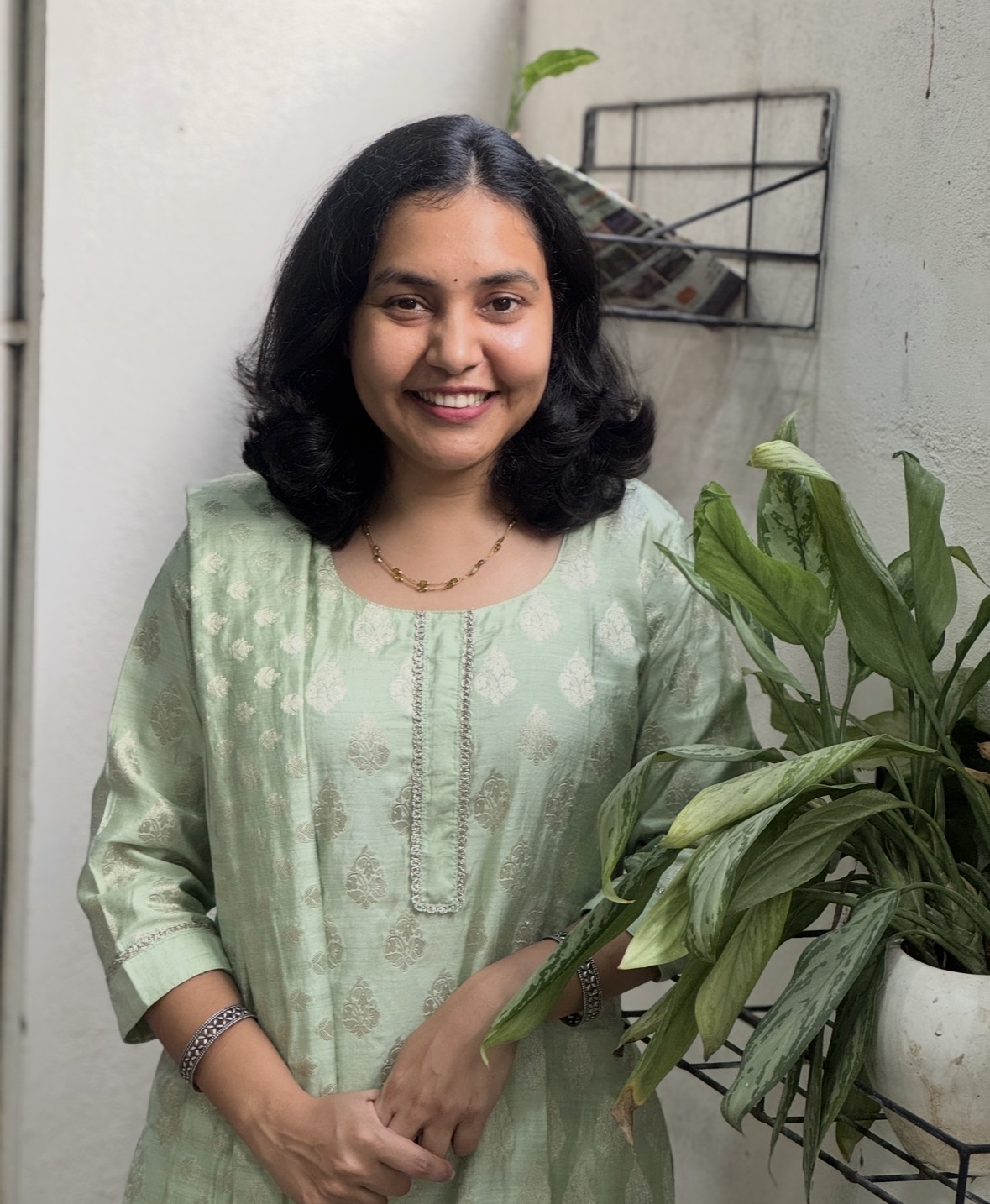
Prajakta Kale
Political Analyst
Prajakta Kale is a political analyst at The Balanced News who tracks how Indian media frames political events. She specializes in election coverage, party manifestos, and legislative analysis across the political spectrum. Prajakta owns the methodology for TBN's coverage of politics, national affairs, and international stories — she defines how the AI attributes left/centre/right framing to outlets, and how it handles edge cases where a story's framing is more nuanced than a single bias percentage can capture. Her work focuses on how language choices, headline framing, source selection, and which voices are quoted differ when the same political event is reported by national English dailies, regional-language outlets, and digital-first publications. Prajakta tracks election cycles at state and central level, parliamentary debates, party-position evolution between manifestos and statements, judicial-political intersections, and the meta-coverage question of which political stories get sustained attention versus which fade after the first news cycle. She is especially attentive to coverage gaps — events that one set of outlets cover prominently while another set ignores — because those gaps are where the Lens Score reveals the most about Indian media's editorial priorities. Prajakta also writes long-form analysis for /insights on durable framing patterns and recurring vocabulary across the Indian political-media landscape.
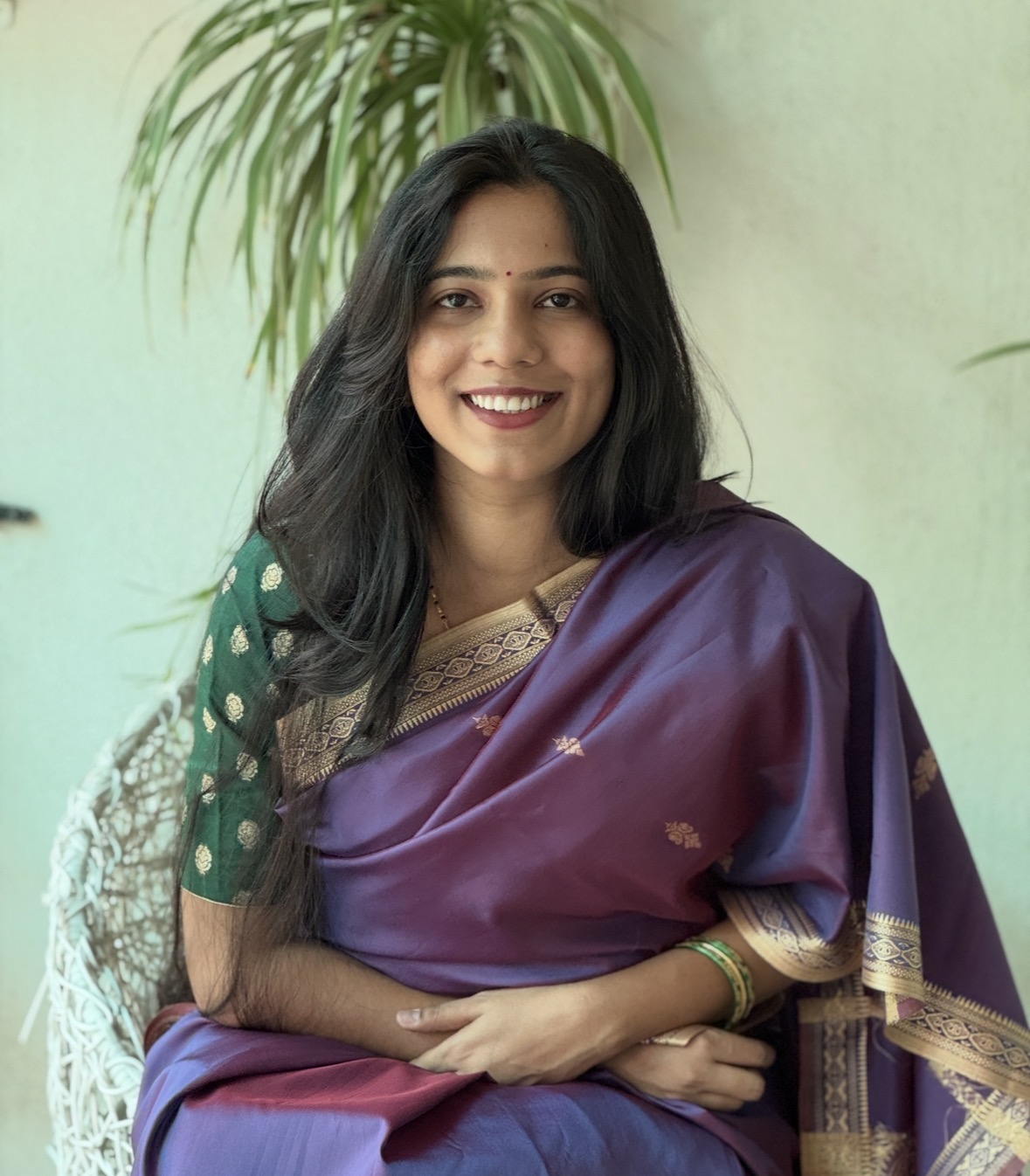
Mrunal Wange
Business & Economy Editor
Mrunal Wange writes about business, finance, and economic policy at The Balanced News. She breaks down how markets, trade deals, and fiscal policy are reported differently across Indian media outlets. Within TBN's editorial workflow, Mrunal owns the methodology for the business, crypto, and economic-policy beats — she defines how the AI handles market terminology and numeric claims, and how sentiment scoring distinguishes an outlet's editorial position from the underlying economic facts. She tracks how the same earnings release, RBI policy decision, budget announcement, or trade pact is reported by national pink-press outlets, English-language broadsheets, regional business dailies, and digital-first finance publications, surfacing differences in which numbers get highlighted, which analysts get quoted, and which sectoral implications get foregrounded. Mrunal pays particular attention to coverage patterns around mergers, IPOs, corporate-governance disputes, regulatory enforcement actions, and sectoral cycles (banking, IT services, real estate, energy, FMCG), where outlet ownership and investor relationships can produce systematically different framings. She also writes reader-facing explainers on how to read corporate disclosures and how to spot common business-journalism patterns — sourced primarily from a single press release, lifted from an analyst note, or the rare independent reporting — and contributes the business-side methodology notes that feed into TBN's published bias data.
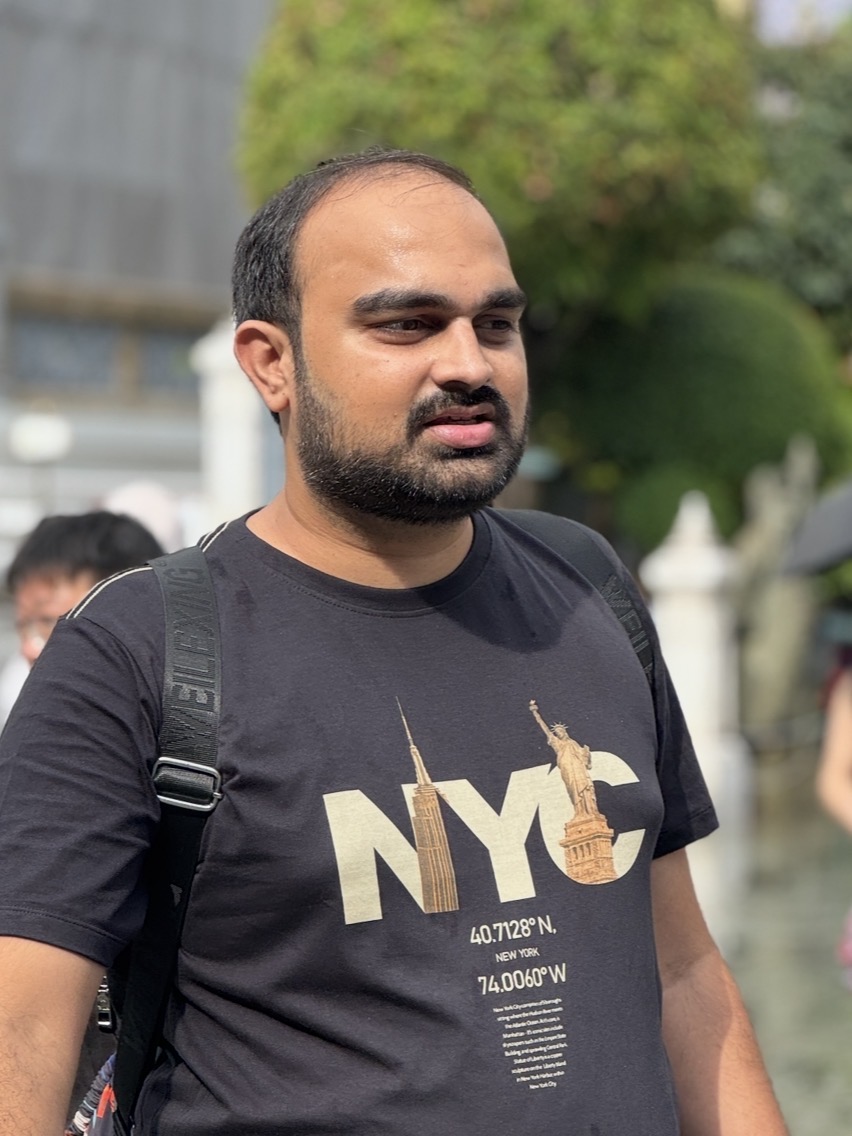
Jitesh Dammani
Media Literacy Writer
Jitesh Dammani is a media literacy advocate at The Balanced News. He writes practical guides on spotting fake news, understanding media ownership, and navigating filter bubbles in Indian media. Jitesh focuses on the reader-side of TBN's mission: turning the technical machinery of bias detection, sentiment scoring, and Lens Score into clear, useful guidance that any reader can apply to their everyday news consumption. He covers the most common vectors of misleading or low-quality information in the Indian context — forwarded WhatsApp claims, regional-language viral videos, decontextualised clips, and the AI-generated synthetic content that increasingly circulates ahead of elections and during high-emotion news cycles — and writes verification walkthroughs that prioritise checks readers can actually do themselves. Within TBN's editorial workflow, Jitesh shapes the methodology for health and media-meta coverage, beats where reader harm from misinformation is most direct. He defines how the AI analysis should be judged for clarity (is the framing actually understandable?) and accuracy (does the bias breakdown match what a reader would see if they read the underlying sources?). He also maintains TBN's library of media literacy explainers, including ownership maps of major Indian outlets, the legal and political relationships that influence editorial positions, and the recurring narrative patterns — false-balance, manufactured outrage, both-sides-ism on settled facts — that recur across the Indian news ecosystem. Jitesh's long-form pieces aim to make TBN's analytical output usable: readers should leave each story knowing not just which way coverage leaned but why, and what they would have noticed if they had read the originals.
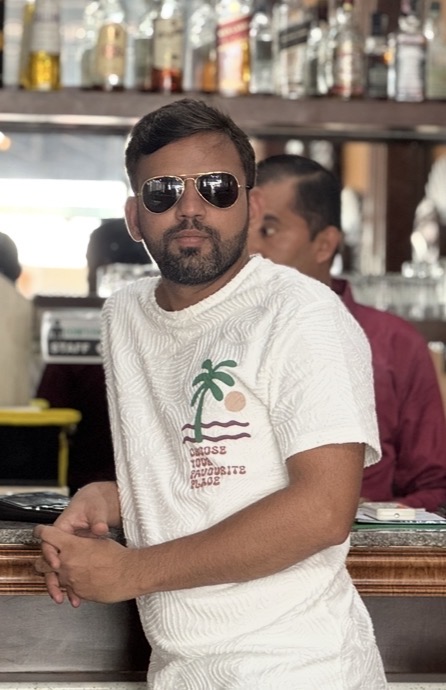
Dushyant Deshmukh
Investigative Writer
Dushyant Deshmukh covers underreported stories and investigative analysis at The Balanced News. He focuses on accountability journalism, coverage gaps, and stories the mainstream media overlooks. Within TBN's editorial workflow, Dushyant owns the methodology for the crime and accountability beats — how TBN's Bias Engine flags the accountability indicators (financial irregularity, abuse of power, systemic failure, attempted cover-up, rights violations, electoral malpractice, environmental violation, public-safety hazard, or sexual misconduct). His role is to define how the AI's classification should match the substance of the underlying coverage and how the Lens Score surfaces stories (signalling a significant gap between public importance and the actual volume of coverage) but mainstream attention has lagged. Dushyant tracks the patterns by which accountability stories enter and leave Indian news cycles: which outlets follow up after the initial story, which let the story fade, which actively reframe it. He writes long-form analysis on investigative-coverage gaps in areas like public-procurement irregularities, judicial-process delays, environmental clearances, and regulatory enforcement, and contributes the methodology notes that explain how TBN's accountability-indicator detection works and how readers can use the Lens Score to find stories that mainstream media has not given the attention their public importance would justify. He also corresponds with researchers and journalists who use TBN's coverage-gap data for their own reporting.
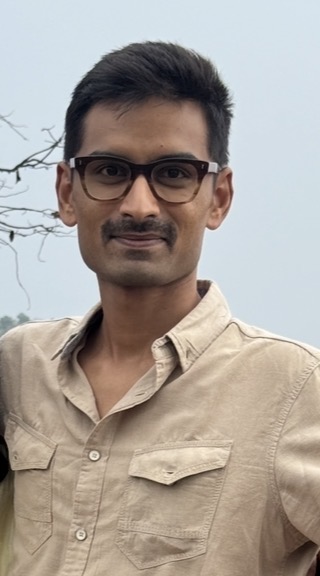
Aniket Awate
Culture & Digital Media Writer
Aniket Awate writes about digital media culture, YouTube politics, and entertainment news coverage at The Balanced News. He tracks how social media and influencers shape public opinion in India. Aniket owns the methodology for TBN's entertainment, lifestyle, and social-media beats — categories where bias analysis often has to account for digital-native outlets, creator economies, and the increasingly blurred line between entertainment and political commentary. He defines how TBN's AI bias output for these stories should reflect how the same news event is reported by traditional film-and-television journalism, by digital-first culture publications, by YouTube and podcast commentators, and by social-media accounts with audience reach comparable to mainstream outlets. Aniket's coverage focuses on the ecosystem effects of the platform economy on Indian media: how influencer endorsements function as political signalling, how YouTube channels with overt political alignment shape mainstream news framing, how entertainment-news coverage of celebrity political statements becomes its own political story, and how regional-language digital content creators are reshaping local news consumption. He writes long-form analysis on the recurring patterns in Indian pop-culture commentary, the relationships between film studios and entertainment-news outlets, and how the language of fandom and outrage migrates between entertainment and political discourse. Aniket also contributes the methodology notes that govern how TBN's Bias Engine handles outlets where reach, ownership, and editorial structure look very different from those of traditional newsrooms.