1 hour agoBusiness
24LENS
3 SourcesIndia
 thebalanced.news
India Faces Rising Heat Challenges Across Buildings, Industry, and Education
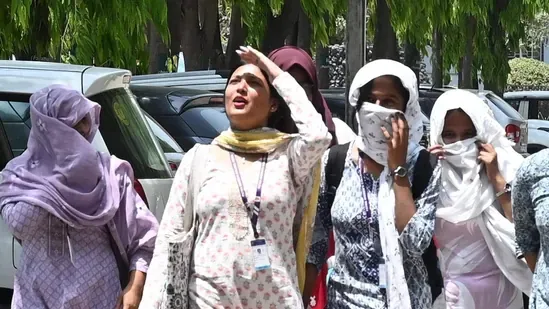
India is experiencing rising temperatures and prolonged heatwaves, impacting building design, industrial processes, and daily life. Urban areas face heat 3°C to 7°C above surroundings, increasing cooling demand, with the HVAC market projected to grow significantly by 2033. Industrial sectors seek cleaner heat solutions like heat pumps to reduce fossil fuel reliance amid energy and supply challenges. Meanwhile, students in hostels endure persistent nighttime heat, affecting health and academic performance, highlighting broader climate adaptation needs.
Political Bias
7%90%3%
Sentiment
58%
AI Analysis
Political bias across 3 sources
● Left 7%● Center 90%● Right 3%
The articles collectively present a range of perspectives focusing on climate change impacts without partisan framing. They include government policy references, industry trends, and social implications, reflecting environmental, economic, and educational viewpoints. The coverage balances technical solutions with human experiences, avoiding political polarization and emphasizing practical challenges and responses.
Sentiment — Neutral (58/100)
The overall tone is serious and concerned, highlighting the adverse effects of rising temperatures on infrastructure, industry, and individuals. While acknowledging opportunities for technological adaptation and market growth, the sentiment remains cautious, emphasizing ongoing challenges and the urgency of addressing heat-related impacts across sectors.
How 3 sources covered this story
Each source's own headline, political lean, and sentiment — so you can see framing differences at a glance.
| Source | Their headline | Bias | Sentiment |
|---|---|---|---|
| hindustantimes | Rethinking climate control for India's changing temperature | Center | Positive |
| indiatoday | Cracking IIT was hard. Surviving the hostel heat without AC is harder | Center | Neutral |
| thehindu | Why industrial heat pumps are a 'clean heat' opportunity for India | Center | Positive |
Coverage timeline
thehindu broke this story on 6 May, 09:13 am. Other outlets followed.
- 1thehindu6 May, 09:13 amWhy industrial heat pumps are a 'clean heat' opportunity for India
- 2indiatoday6 May, 11:28 amCracking IIT was hard. Surviving the hostel heat without AC is harder
- 3hindustantimes7 May, 06:17 amRethinking climate control for India's changing temperature
Lens Score breakdown
24/100
Public interest0/100
Coverage gap90%
Well-covered story — coverage matches public importance.
Who's involved
Institutions and figures named across source coverage.
Government
Union Budget 2026-27Smart Cities MissionBureau of Energy Efficiency
Story context
- Category
- Business
- Location
- India
- Sources analysed
- 3
- Last analysed
- 7 May 2026
- Key entities
- IndiaHeat waveVentilation (architecture)Air conditioningHeating, ventilation, and air conditioningData centerCompressorElectrificationAlternating currentBuilt environmentRoom temperatureThermal comfort
Related Coverage
Select a news story to see related coverage from other media outlets.