55 minutes agoBusiness
20LENS
2 SourcesMilan, Italy
 thebalanced.news
Prada's Kolhapuri-Inspired Collection and India's Private Investment Challenges
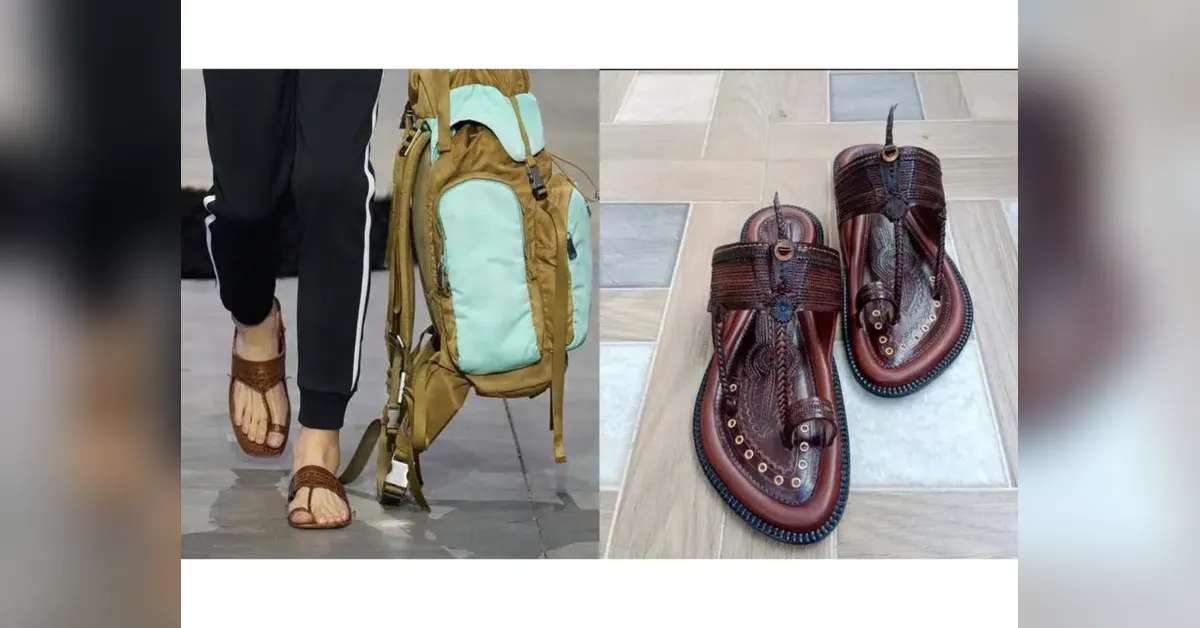
Prada faced criticism last year for releasing sandals resembling India's traditional Kolhapuri chappals without acknowledgment, sparking debates on cultural appropriation and protection of indigenous crafts. In response, Prada's new collection is made in India with artisan collaboration but remains costly compared to traditional versions. Separately, Indian government officials express concern over low private sector investment despite incentives, noting that capital expenditure rates have declined significantly, posing challenges to economic growth.
Political Bias
20%72%8%
Sentiment
40%
AI Analysis
Political bias across 2 sources
● Left 20%● Center 72%● Right 8%
The articles present perspectives from both corporate and government viewpoints without partisan framing. The Prada story highlights cultural and economic issues involving foreign brands and Indian artisans, while the investment article reflects government concerns about private sector behavior. Both emphasize systemic challenges without attributing blame to specific political entities, maintaining a neutral stance.
Sentiment — Neutral (40/100)
The overall tone is mixed, combining criticism of Prada's initial cultural appropriation with acknowledgment of its corrective efforts, alongside a cautious concern regarding India's private investment shortfall. The coverage balances critique with constructive developments and government efforts, avoiding overly positive or negative sentiment.
How 2 sources covered this story
Each source's own headline, political lean, and sentiment — so you can see framing differences at a glance.
| Source | Their headline | Bias | Sentiment |
|---|---|---|---|
| businessstandard | Prada faces a devil of dilemma, but India too has deeper issues to address | Center | Neutral |
| businessstandard | Why Indian companies don't want to invest in India despite incentives | Center | Neutral |
Coverage timeline
businessstandard broke this story on 7 May, 02:26 am. Other outlets followed.
- 1businessstandard7 May, 02:26 amWhy Indian companies don't want to invest in India despite incentives
- 2businessstandard7 May, 02:26 amPrada faces a devil of dilemma, but India too has deeper issues to address
Lens Score breakdown
20/100
Public interest0/100
Coverage gap100%
Well-covered story — coverage matches public importance.
Who's involved
Institutions and figures named across source coverage.
Government
Ministry of FinanceState-backed Industry BodiesOffice of the Chief Economic Adviser
Corporate
Prada SpA
Story context
- Category
- Business
- Location
- Milan, Italy
- Sources analysed
- 2
- Last analysed
- 7 May 2026
- Key entities
- IndiaOpenAIBusiness StandardBloomberg L.P.PradaSandalFootwearMilanCultural appropriationArtisanKolhapuri chappalThe Devil Wears Prada (band)
Related Coverage
Select a news story to see related coverage from other media outlets.