2 hours agoBusiness
31LENS
2 SourcesJapan
 thebalanced.news
Shipping Market Shifts as Freight and Insurance Costs Rise Amid Strait of Hormuz Blockade
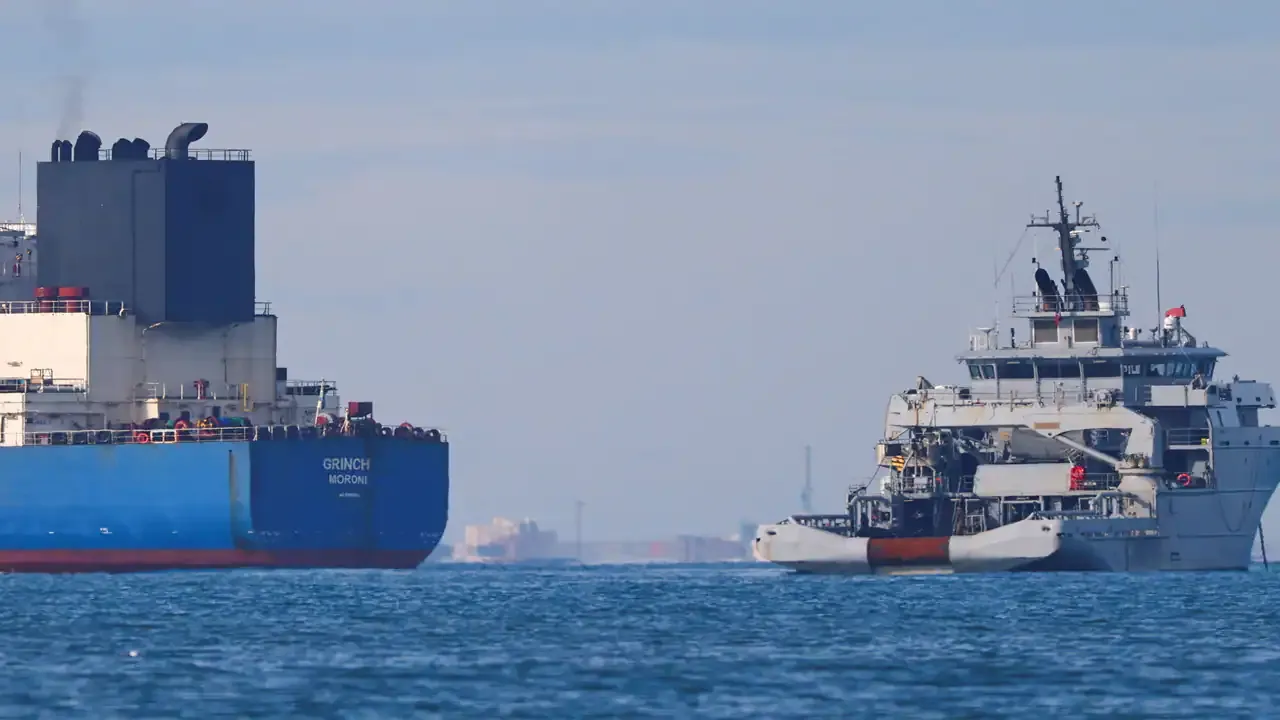
Shipping markets are experiencing significant volatility due to the ongoing Strait of Hormuz blockade and geopolitical tensions involving the US, Israel, and Iran. Large crude carriers (VLCCs) face high war-risk insurance premiums, making them less viable, prompting a shift to smaller Aframax and Suezmax tankers with lower insurance costs and better maneuverability. Freight rates have surged threefold, and insurance premiums have increased up to 3% of vessel value, raising India's energy import costs amid a nearly 60% drop in Middle East crude flows.
Political Bias
0%100%0%
Sentiment
35%
AI Analysis
Political bias across 2 sources
● Left 0%● Center 100%● Right 0%
The articles present a primarily economic and logistical perspective on the shipping disruptions without overt political framing. They reference geopolitical tensions involving the US, Israel, and Iran but focus on market impacts rather than assigning blame. Both sources emphasize the consequences for energy trade and insurance costs, reflecting a neutral stance centered on industry and trade implications.
Sentiment — Neutral (35/100)
The overall tone is factual and analytical, highlighting challenges such as increased costs and supply disruptions without emotive language. Coverage conveys concern over rising expenses and operational difficulties but remains neutral, focusing on market data and expert commentary rather than positive or negative judgments.
How 2 sources covered this story
Each source's own headline, political lean, and sentiment — so you can see framing differences at a glance.
| Source | Their headline | Bias | Sentiment |
|---|---|---|---|
| thefinancialexpress | Exclusive: Freight jumps 3x to 15 bbl, insurance up to 3 : Shipping shock hits energy flows | Center | Negative |
| moneycontrol | Smaller ships in big demand as Strait of Hormuz blockade continues- Moneycontrol.com | Center | Neutral |
Coverage timeline
moneycontrol broke this story on 20 Apr, 09:51 am. Other outlets followed.
- 1moneycontrol20 Apr, 09:51 amSmaller ships in big demand as Strait of Hormuz blockade continues- Moneycontrol.com
- 2thefinancialexpress20 Apr, 04:50 pmExclusive: Freight jumps 3x to 15 bbl, insurance up to 3 : Shipping shock hits energy flows
Lens Score breakdown
31/100
Public interest0/100
Coverage gap100%
Well-covered story — coverage matches public importance.
Who's involved
Institutions and figures named across source coverage.
Corporate
Triton Logistics MaritimeAdhira Shipping and LogisticsLloyd's of London
Story context
- Category
- Business
- Location
- Japan
- Sources analysed
- 2
- Last analysed
- 20 Apr 2026
- Key entities
- SuezmaxAframaxOil tankerOil refineryInsuranceStrait of HormuzLogisticsVolatility (finance)IndiaChartering (shipping)Deadweight tonnageTonnage
Related Coverage
Select a news story to see related coverage from other media outlets.