1 hour agoBusiness
36LENS
2 SourcesBrussels, Belgium
 thebalanced.news
US Raises European Car Tariffs to 25%, Prompting EU Concerns and Retaliation Threats
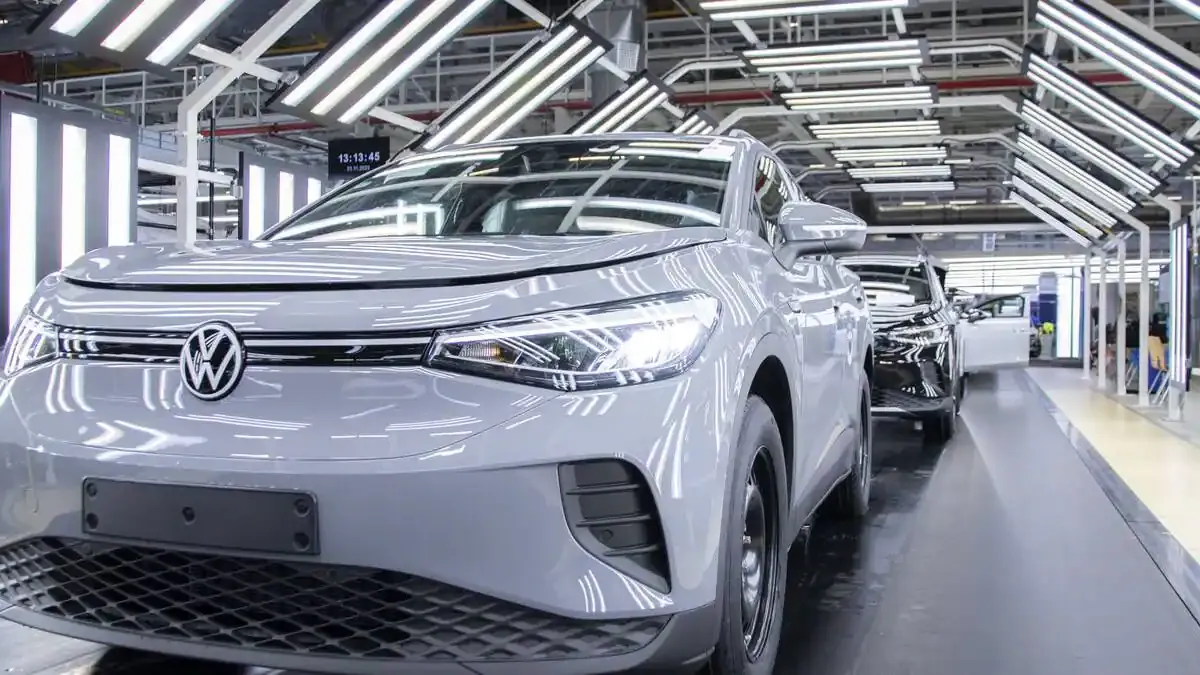
The US has raised tariffs on European car imports from 15% to 25%, intensifying trade tensions with the EU and impacting German automakers like Porsche and Audi. While some manufacturers with US facilities, such as Mercedes-Benz and BMW, are less affected, others may accelerate US production plans. European officials have expressed a preference for resolving the dispute diplomatically but have signaled readiness to retaliate if tariffs increase, amid ongoing delays in ratifying a transatlantic trade pact.
Political Bias
15%77%8%
Sentiment
38%
AI Analysis
Political bias across 2 sources
● Left 15%● Center 77%● Right 8%
The articles present perspectives from both US and European sides, highlighting US tariff policy under President Trump and European officials' responses. The US position emphasizes enforcement of trade agreements, while EU sources stress legislative processes and caution against escalation. German automakers' concerns add an industry viewpoint, reflecting economic and political tensions without favoring either side.
Sentiment — Neutral (38/100)
The overall tone is cautious and concerned, reflecting the economic impact on European automakers and the potential for escalating trade tensions. While the US tariff increase is presented as a policy decision, European responses focus on avoiding escalation but acknowledge readiness for retaliation, resulting in a mixed sentiment with emphasis on uncertainty and diplomatic efforts.
How 2 sources covered this story
Each source's own headline, political lean, and sentiment — so you can see framing differences at a glance.
| Source | Their headline | Bias | Sentiment |
|---|---|---|---|
| economictimes | Europe signals retaliation if Trump raises auto tariffs | Center | Neutral |
| firstpost | Trump's tariff hike to boost US production deepens German automakers' concerns | Center | Neutral |
Coverage timeline
firstpost broke this story on 4 May, 07:06 pm. Other outlets followed.
- 1firstpost4 May, 07:06 pmTrump's tariff hike to boost US production deepens German automakers' concerns
- 2economictimes4 May, 07:26 pmEurope signals retaliation if Trump raises auto tariffs
Lens Score breakdown
36/100
Public interest0/100
Coverage gap100%
Story is receiving appropriate media attention relative to public interest.
Who's involved
Institutions and figures named across source coverage.
Government
White HouseUS GovernmentEuropean Union
Corporate
PorscheBMWANFIAAudiMercedes-Benz
Story context
- Category
- Business
- Location
- Brussels, Belgium
- Sources analysed
- 2
- Last analysed
- 4 May 2026
- Key entities
- TariffDonald TrumpEuropean UnionTruckGermanyAutomotive industryItalyBMWMercedes-BenzAudiPorscheSocial media
Related Coverage
Select a news story to see related coverage from other media outlets.