4 hours agoBusiness
40LENS
1 SourcesHaryana, India
 thebalanced.news
Parasitic Weed Threatens India's Mustard Crop, Causing Yield Losses
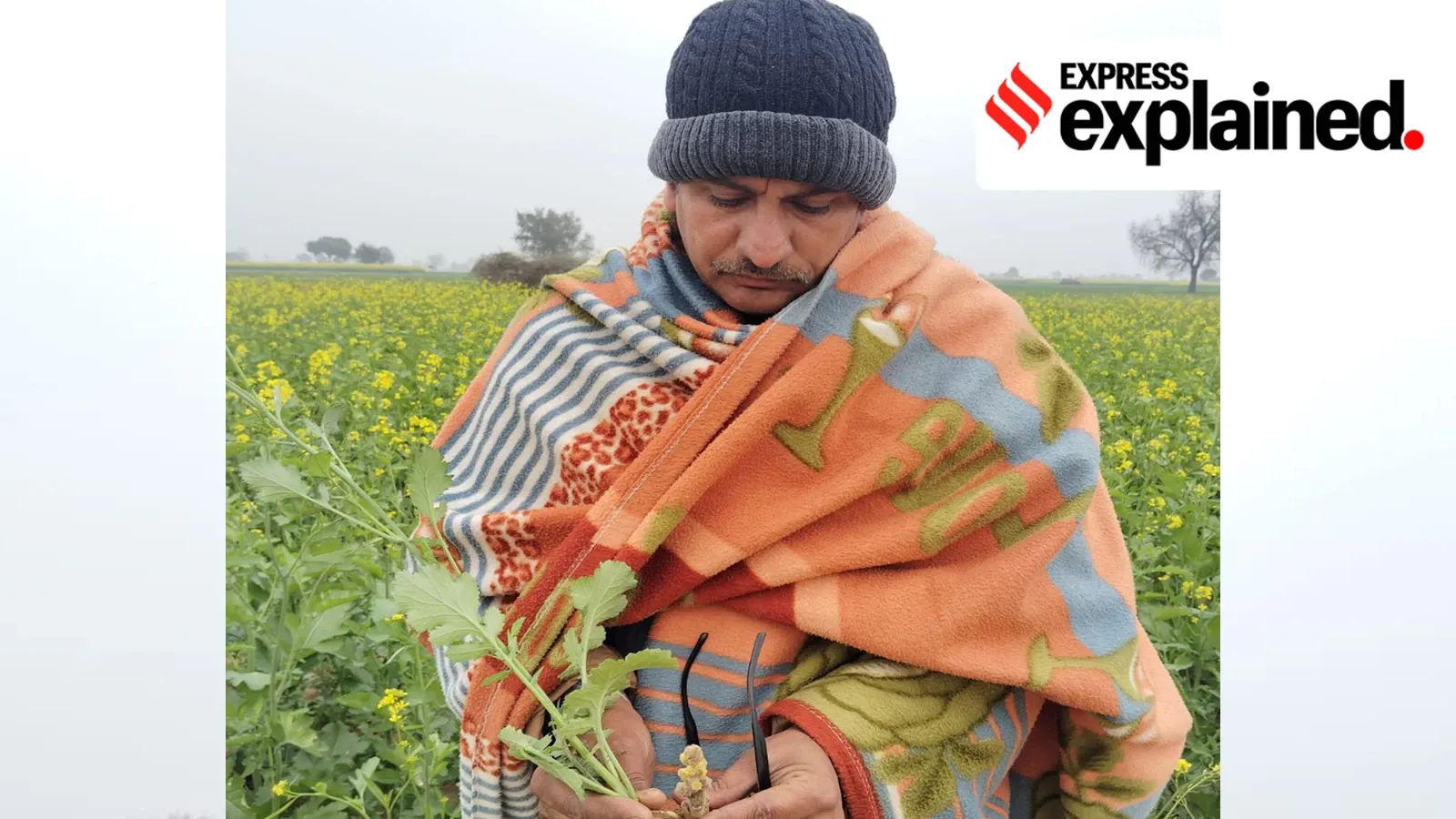
A parasitic weed, Orobanche aegyptiaca, is severely impacting India's mustard crop, the nation's largest indigenous edible oil source. This weed attaches to mustard plant roots, draining nutrients and significantly reducing seed yields. Farmers in key growing regions like Rajasthan and Haryana are experiencing drastically lower harvests, leading some to reduce mustard cultivation and switch to other crops like wheat, chickpea, and barley despite following recommended herbicide treatments.
Political Bias
33%34%33%
Sentiment
45%
Related Coverage
Select a news story to see related coverage from other media outlets.