Business journalism in India operates under a fundamental tension that readers rarely see: the same corporations that are subjects of news coverage are also the largest advertisers in the media outlets reporting on them. This creates an ecosystem where critical business reporting is perpetually compromised by commercial relationships. When a major conglomerate faces regulatory scrutiny, the depth and tone of coverage often correlates directly with that company's advertising spend at the reporting outlet.
The Indian business media landscape has been transformed by the rise of two dominant conglomerates — Reliance Industries (Mukesh Ambani) and the Adani Group (Gautam Adani). Together, these groups have interests spanning telecommunications, retail, energy, ports, airports, cement, media, and digital services. The Adani Group's acquisition of NDTV and Reliance's ownership of Network18 (which includes CNBC-TV18, News18, and Moneycontrol) means that India's two most powerful business groups now own significant portions of the media that covers them.
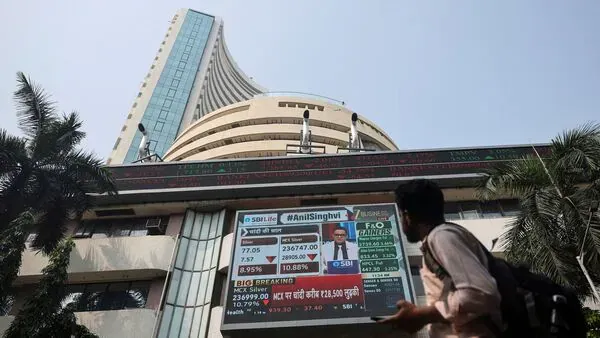
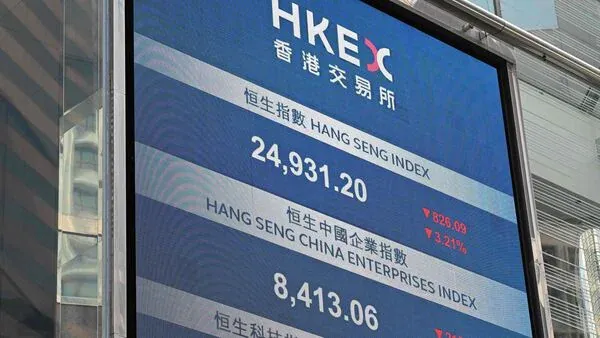
Stock market reporting illustrates bias patterns clearly. When markets rise, coverage tends to credit government policies and economic reforms. When markets fall, the same outlets may blame global factors, opposition disruptions, or external events. Rarely does business coverage provide the complete context needed for informed decision-making. Analyst recommendations featured in business news often come from firms with trading positions in the stocks they're discussing — a conflict that's seldom disclosed.
Startup coverage represents another bias frontier. India's startup ecosystem generates enormous media interest, but much of the coverage is essentially PR — funded by the same venture capital firms that invest in the startups being covered. Puff pieces about funding rounds and founder stories dominate, while critical analysis of business models, employee treatment, and financial sustainability receives far less attention.
The Balanced News addresses these gaps by comparing business coverage from outlets with different ownership structures and editorial incentives. When Reliance-owned media covers an Adani story, or vice versa, you can see the contrasting narratives side by side and draw your own conclusions about what's actually happening in India's business landscape.

 thebalanced.news