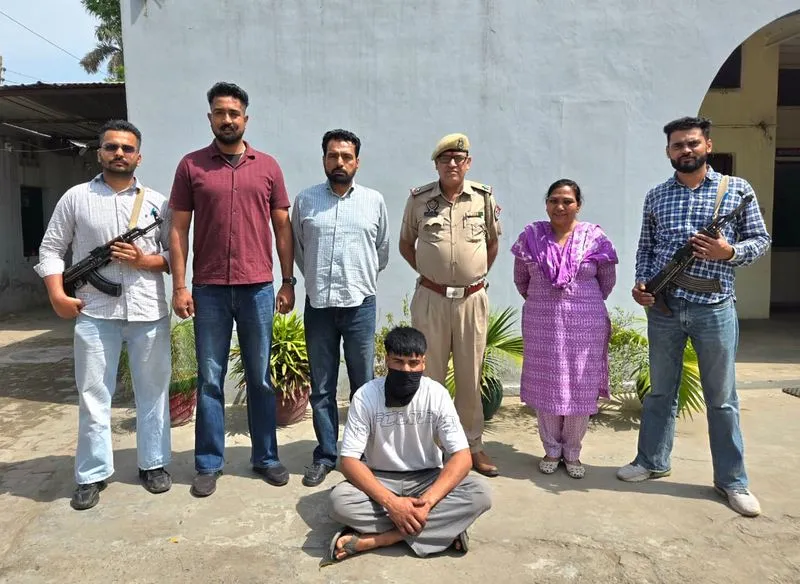
Crime journalism in India walks a precarious line between public interest reporting and sensationalism that can destroy lives. The Indian media's approach to crime news — particularly on 24-hour news channels — has been repeatedly criticized by courts, press councils, and media ethics bodies for conducting "trial by media" that prejudices public opinion before judicial proceedings can establish facts.
The communal angle in crime reporting represents one of the most serious bias patterns in Indian media. When a crime occurs, certain outlets immediately foreground the religious or caste identities of victims and accused, while others deliberately omit this information. Neither approach is consistently correct — sometimes identity is relevant to understanding hate crimes, and sometimes it's introduced to inflame communal tensions. The Balanced News shows you how different outlets handle identity in crime reporting so you can evaluate the framing yourself.
Gender-based violence coverage in Indian media has improved since the 2012 Delhi gang rape case forced national conversation, but significant problems remain. Victim-blaming narratives persist in some outlets. Accused individuals from privileged backgrounds receive more sympathetic coverage than those from marginalized communities. Rape coverage often sensationalizes details while failing to analyze systemic factors that enable gender violence.
White-collar crime — corporate fraud, financial scams, political corruption — receives fundamentally different treatment than street crime. Corporate criminals benefit from euphemistic language ("irregularities" instead of "fraud"), sympathetic profiles, and coverage that emphasizes their charitable work alongside criminal allegations. This class-based disparity in crime coverage reflects deeper biases in Indian media.
The Balanced News helps you see past these patterns by comparing crime coverage across outlets with different political alignments, ownership structures, and editorial priorities. When a major crime story breaks, you can see who's sensationalizing, who's communalizing, and who's providing factual, responsible coverage.

 thebalanced.news