1 hour agoBusiness
36LENS
2 SourcesGermany
 thebalanced.news
Chinese Automakers Lead Global Vehicle Sales, Challenge Premium Market Competitors
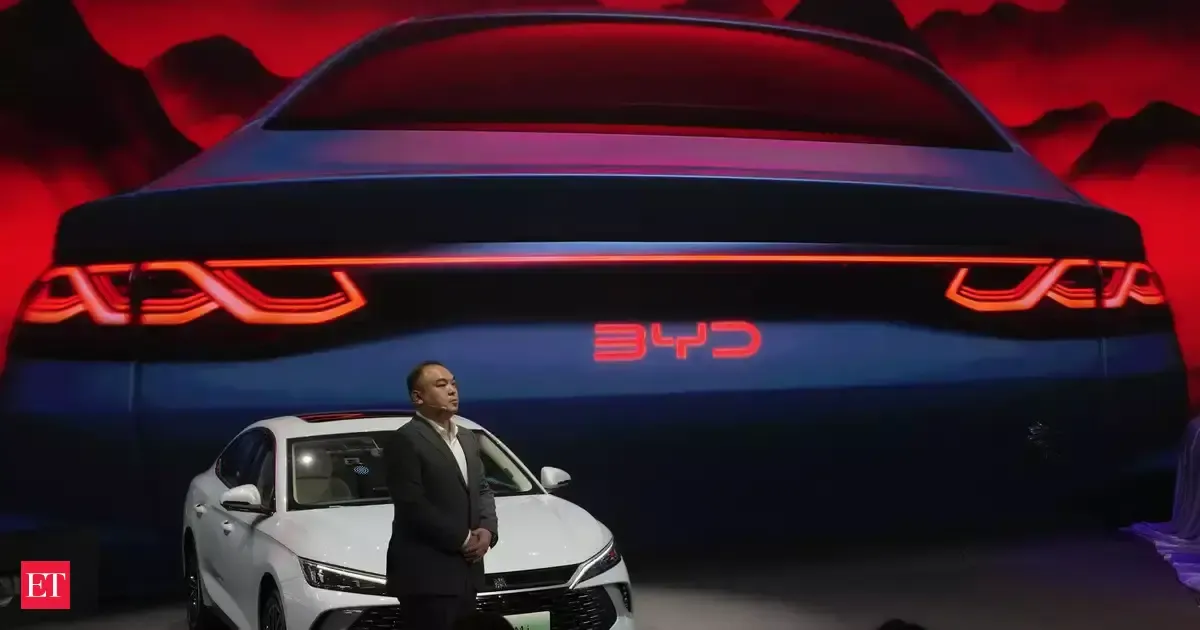
Chinese automakers have surpassed Japan to become the world's largest vehicle sellers, with nearly 27 million units sold in 2025. Companies like BYD lead in new energy vehicle sales, reflecting China's rapid advancements in electrification and intelligent automotive technologies. Meanwhile, Chinese brands such as Geely and Nio are targeting premium markets with feature-rich electric vehicles priced below German rivals, intensifying competition and contributing to declining sales for German luxury automakers in China.
Political Bias
0%100%0%
Sentiment
70%
AI Analysis
Political bias across 2 sources
● Left 0%● Center 100%● Right 0%
The articles present a largely economic and industrial perspective, highlighting China's rise in the automotive sector without overt political framing. They include viewpoints on market competition and technological innovation, referencing both Chinese companies' advancements and challenges faced by German and Japanese automakers. The coverage is factual, focusing on industry dynamics rather than political implications.
Sentiment — Positive (70/100)
The tone across the articles is generally neutral to positive, emphasizing China's growth and innovation in the automotive industry. While noting challenges for German automakers, the coverage avoids sensationalism, instead presenting competitive shifts as part of broader market evolution. The sentiment reflects recognition of China's industrial progress alongside the impact on established players.
How 2 sources covered this story
Each source's own headline, political lean, and sentiment — so you can see framing differences at a glance.
| Source | Their headline | Bias | Sentiment |
|---|---|---|---|
| thehindu | China claims global auto sales lead from Japan, sets sights on quality | Center | Positive |
| economictimes | Beijing auto show: Chinese EV makers target Europe's luxury car turf | Center | Positive |
Coverage timeline
economictimes broke this story on 21 Apr, 06:07 am. Other outlets followed.
- 1economictimes21 Apr, 06:07 amBeijing auto show: Chinese EV makers target Europe's luxury car turf
- 2thehindu21 Apr, 06:37 amChina claims global auto sales lead from Japan, sets sights on quality
Lens Score breakdown
36/100
Public interest0/100
Coverage gap100%
Story is receiving appropriate media attention relative to public interest.
Who's involved
Institutions and figures named across source coverage.
Corporate
Mercedes-BenzNioFord MotorBMWAudiGeneral MotorsGeelyPorscheStellantis
Story context
- Category
- Business
- Location
- Germany
- Sources analysed
- 2
- Last analysed
- 21 Apr 2026
- Key entities
- Electric vehicleChinaHybrid electric vehicleAutomotive industryEuropeNio Inc.GeelyGermanyBMWPorscheMercedes-BenzIndia
Related Coverage
Select a news story to see related coverage from other media outlets.