1 hour agoBusiness
35LENS
2 SourcesIndia
 thebalanced.news
Study Urges Removal of Cotton Import Duty and Strategic Reserve to Support Textile Sector
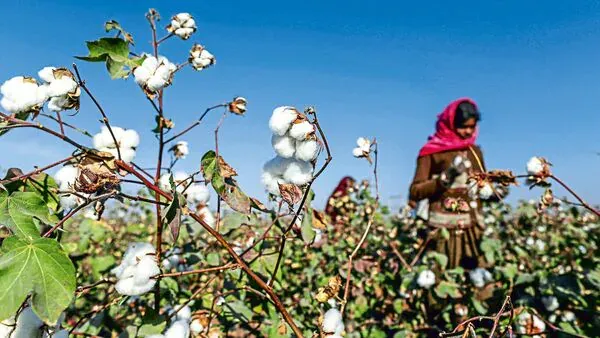
A study by the Confederation of Indian Textile Industry (CITI), with Gherzi Textile Organisation and the International Cotton Advisory Committee, warns that India's 11% cotton import duty and rising domestic prices are reducing textile competitiveness. Domestic cotton production is below consumption, causing a supply deficit. The report recommends scrapping import duties, creating a strategic cotton reserve, empowering the Cotton Corporation of India to supply competitively priced cotton, and establishing a price stabilization fund to support the industry amid price volatility.
Political Bias
10%82%8%
Sentiment
50%
AI Analysis
Political bias across 2 sources
● Left 10%● Center 82%● Right 8%
The articles primarily represent the textile industry's perspective, emphasizing economic and policy concerns related to cotton import duties and pricing. They highlight industry recommendations without political commentary, focusing on government policy impacts and suggesting administrative measures. The coverage reflects a policy-oriented viewpoint advocating for regulatory changes to enhance competitiveness, without partisan framing or political debate.
Sentiment — Neutral (50/100)
The overall tone is cautionary and concerned, reflecting the industry's warnings about competitiveness challenges due to import duties and price disparities. While the sentiment underscores risks and potential losses, it also includes constructive recommendations, resulting in a balanced, solution-focused narrative rather than purely negative or positive sentiment.
How 2 sources covered this story
Each source's own headline, political lean, and sentiment — so you can see framing differences at a glance.
| Source | Their headline | Bias | Sentiment |
|---|---|---|---|
| mint | Scrap cotton import duty and build strategic reserve, textile industry asks government Mint | Center | Neutral |
| news18 | India's cotton import duty hurting textile competitiveness, warns new Study | Center | Neutral |
Coverage timeline
news18 broke this story on 7 May, 11:21 am. Other outlets followed.
- 1news187 May, 11:21 amIndia's cotton import duty hurting textile competitiveness, warns new Study
- 2mint7 May, 11:56 amScrap cotton import duty and build strategic reserve, textile industry asks government Mint
Lens Score breakdown
35/100
Public interest0/100
Coverage gap100%
Story is receiving appropriate media attention relative to public interest.
Who's involved
Institutions and figures named across source coverage.
Government
Cotton Corporation of India
Corporate
GherziInternational Cotton Advisory CommitteeGherzi Textile OrganisationConfederation of Indian Textile Industry
Story context
- Category
- Business
- Location
- India
- Sources analysed
- 2
- Last analysed
- 7 May 2026
- Key entities
- TariffCottonTextileIndiaUnited States dollarInternational Cotton Advisory CommitteeClothing industryTextile industryMint (newspaper)YarnProductivityPound sterling
Related Coverage
Select a news story to see related coverage from other media outlets.