1 hour agoBusiness
40LENS
2 SourcesSouth Korea
 thebalanced.news
Samsung Shares Decline as Union Plans 18-Day Strike Amid Pay Dispute
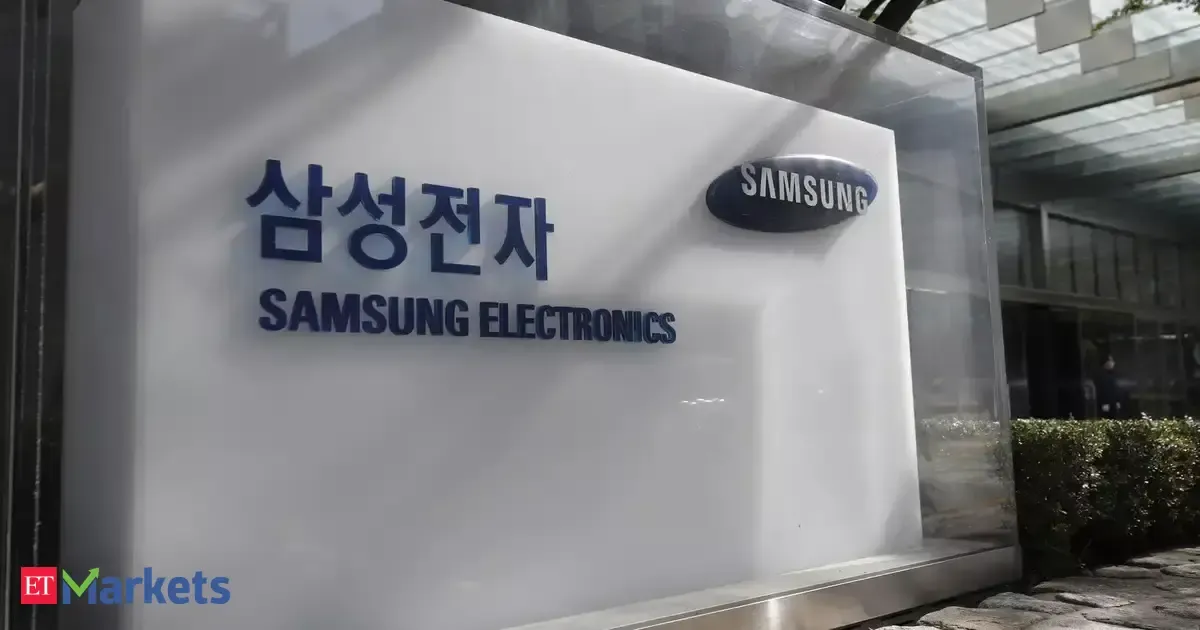
Shares of Samsung Electronics fell sharply amid escalating labor tensions as the company's South Korean union confirmed plans for an 18-day strike starting May 21, despite Samsung's offer of unconditional pay talks. Negotiations over wages and bonuses collapsed, raising concerns about potential disruptions to semiconductor production and delivery reliability. The government and Samsung urged renewed dialogue to resolve the dispute, which could impact the global semiconductor supply and result in significant financial losses.
Political Bias
5%93%2%
Sentiment
32%
AI Analysis
Political bias across 2 sources
● Left 5%● Center 93%● Right 2%
The articles present perspectives from both Samsung Electronics and its labor union, highlighting the union's strike plans and the company's willingness to resume talks. Government involvement is noted as a mediator urging dialogue. Coverage focuses on economic and operational impacts without favoring either side, reflecting a balanced representation of corporate, labor, and regulatory viewpoints.
Sentiment — Negative (32/100)
The overall tone is cautious and concerned, emphasizing potential negative effects on production and financial performance due to the strike. While Samsung's offer for unconditional talks introduces a constructive element, the persistence of the strike plan contributes to a predominantly negative sentiment regarding business continuity and market confidence.
How 2 sources covered this story
Each source's own headline, political lean, and sentiment — so you can see framing differences at a glance.
| Source | Their headline | Bias | Sentiment |
|---|---|---|---|
| economictimes | Samsung shares crash 9 as labour strike raises fears of 20 billion profit hit | Center | Negative |
| economictimes | Samsung's South Korean union sticks to strike plan after talks offer; shares slide | Center | Neutral |
Coverage timeline
economictimes broke this story on 15 May, 04:45 am. Other outlets followed.
- 1economictimes15 May, 04:45 amSamsung's South Korean union sticks to strike plan after talks offer; shares slide
- 2economictimes15 May, 08:25 amSamsung shares crash 9 as labour strike raises fears of 20 billion profit hit
Lens Score breakdown
40/100
Public interest0/100
Coverage gap100%
Story is receiving appropriate media attention relative to public interest.
Who's involved
Institutions and figures named across source coverage.
Government
South Korean Finance MinisterSouth Korean Finance MinistrySouth Korean Industry MinisterLabour Minister Kim Young-hoonSouth Korean Labour CommissionSouth Korean Prime Minister
Corporate
JPMorganSamsung ElectronicsSK HynixMicron Technology
Story context
- Category
- Business
- Location
- South Korea
- Sources analysed
- 2
- Last analysed
- 15 May 2026
- Key entities
- SamsungStrike actionSouth KoreaSamsung ElectronicsTrade unionJPMorgan ChaseSK HynixEconomic growthSemiconductorPyeongtaekSemiconductor industryAccounting
Related Coverage
Select a news story to see related coverage from other media outlets.