1 hour agoBusiness
28LENS
2 SourcesMumbai, India
 thebalanced.news
India's Trai Advances Emergency Communication After Years of Development
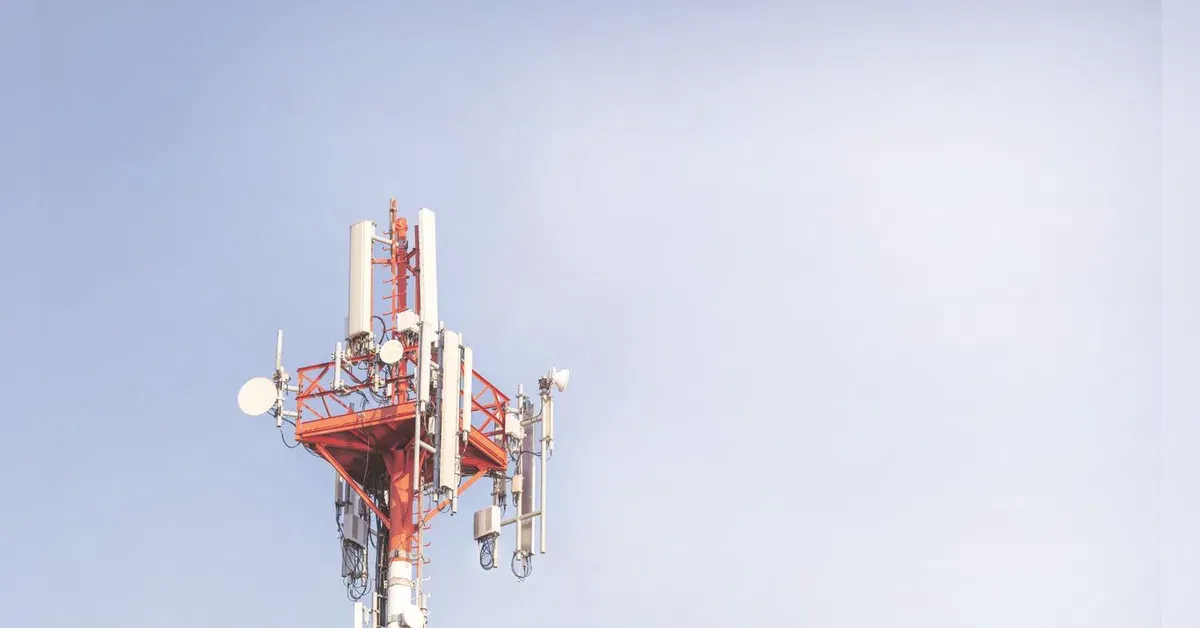
India's Telecom Regulatory Authority (Trai) has been addressing emergency communication challenges since 2011, following the Mumbai bomb blasts that caused severe mobile network congestion. Over 15 years, Trai issued multiple consultation papers to improve priority call routing and disaster communication. The recent government trial of a mobile-based disaster warning siren, developed with C-DoT and NDMA using cell broadcast technology, reflects ongoing efforts to enhance emergency response despite past challenges.
Political Bias
10%85%5%
Sentiment
50%
AI Analysis
Political bias across 2 sources
● Left 10%● Center 85%● Right 5%
The articles present a largely technical and administrative perspective focused on Trai's regulatory efforts and government initiatives without partisan framing. They highlight government agencies' roles and historical events without attributing political motives or criticism, reflecting a neutral stance emphasizing policy development and public safety.
Sentiment — Neutral (50/100)
The tone across the articles is generally neutral to cautiously positive, acknowledging past challenges in emergency communication while emphasizing progress and recent technological advancements. There is recognition of ongoing work and improvements without overt optimism or criticism, maintaining an informative and balanced sentiment.
How 2 sources covered this story
Each source's own headline, political lean, and sentiment — so you can see framing differences at a glance.
| Source | Their headline | Bias | Sentiment |
|---|---|---|---|
| theprint | The siren that took 15 years to ring -- Inside India's emergency tech saga | Center | Neutral |
| businessstandard | Trai's long tryst with emergency calls still remains a work in progress | Center | Neutral |
Coverage timeline
businessstandard broke this story on 6 May, 06:22 pm. Other outlets followed.
- 1businessstandard6 May, 06:22 pmTrai's long tryst with emergency calls still remains a work in progress
- 2theprint7 May, 05:31 amThe siren that took 15 years to ring -- Inside India's emergency tech saga
Lens Score breakdown
28/100
Public interest0/100
Coverage gap100%
Well-covered story — coverage matches public importance.
Who's involved
Institutions and figures named across source coverage.
Government
Wireless Planning Coordination WingTelecom Regulatory Authority of IndiaNational Disaster Management AuthorityDepartment of TelecommunicationsMinistry of Home Affairs
Corporate
Bharat Sanchar Nigam LimitedMahanagar Telephone Nigam LimitedCentre for Development of Telematics
Story context
- Category
- Business
- Location
- Mumbai, India
- Sources analysed
- 2
- Last analysed
- 7 May 2026
- Key entities
- Emergency managementFinancial capitalCellular networkMumbaiIndiaEmergency telephone numberStakeholder (corporate)Mobile phoneTelecom Regulatory Authority of IndiaTelecommunicationsTsunamiPublic security
Related Coverage
Select a news story to see related coverage from other media outlets.