1 hour agoBusiness
28LENS
2 SourcesMinneapolis, United States
 thebalanced.news
Federal Reserve Officials Shift Focus from Rate Cuts to Potential Hikes Amid Inflation Risks
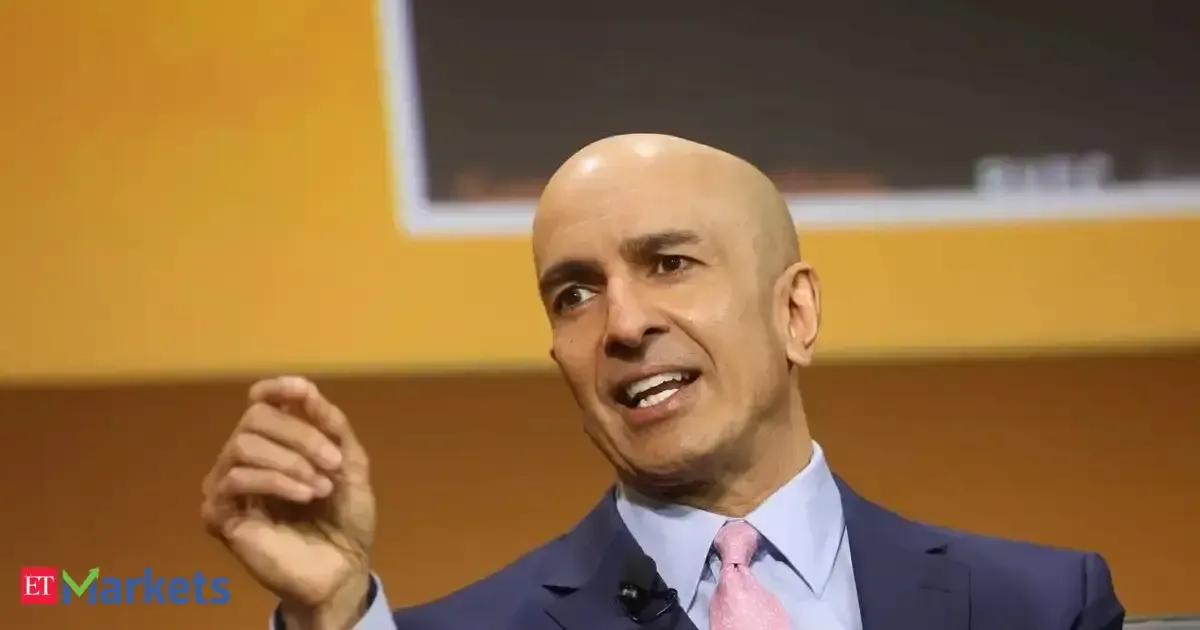
Federal Reserve officials are shifting their outlook from anticipating interest rate cuts to considering potential rate hikes amid economic uncertainties. Minneapolis Fed President Neel Kashkari highlighted risks from the U.S.-backed conflict with Iran, suggesting a series of rate increases may be needed to control inflation despite possible labor market impacts. This change reflects a divided Fed, with some members opposing signals of imminent cuts and discussing conditions that could warrant tightening monetary policy.
Political Bias
0%100%0%
Sentiment
45%
AI Analysis
Political bias across 2 sources
● Left 0%● Center 100%● Right 0%
The articles present perspectives primarily from Federal Reserve officials, including dissenting voices within the central bank. They reflect internal policy debates without partisan framing, focusing on economic and geopolitical factors influencing monetary decisions. The coverage includes views from both proponents and opponents of rate cuts, illustrating a balanced representation of the Fed's evolving stance.
Sentiment — Neutral (45/100)
The tone across the articles is measured and analytical, emphasizing uncertainty and caution regarding inflation and monetary policy. While concerns about inflation and geopolitical risks introduce a cautious sentiment, the coverage remains neutral, avoiding alarmist or overly optimistic language. The sentiment reflects the complexity of economic decision-making amid evolving global conditions.
How 2 sources covered this story
Each source's own headline, political lean, and sentiment — so you can see framing differences at a glance.
| Source | Their headline | Bias | Sentiment |
|---|---|---|---|
| mint | After months of debating rate cuts, Fed shifts toward mapping out hikes Mint | Center | Neutral |
| economictimes | Neel Kashkari: Uncertainty around oil shock means Fed should acknowledge risk of rate hikes | Center | Neutral |
Coverage timeline
economictimes broke this story on 1 May, 01:25 pm. Other outlets followed.
- 1economictimes1 May, 01:25 pmNeel Kashkari: Uncertainty around oil shock means Fed should acknowledge risk of rate hikes
- 2mint2 May, 05:21 amAfter months of debating rate cuts, Fed shifts toward mapping out hikes Mint
Lens Score breakdown
28/100
Public interest0/100
Coverage gap100%
Well-covered story — coverage matches public importance.
Story context
- Category
- Business
- Location
- Minneapolis, United States
- Sources analysed
- 2
- Last analysed
- 2 May 2026
- Key entities
- Federal ReserveNeel KashkariInflationCentral bankMinneapolisStrait of HormuzCommodityInterest rateMiddle EastPetroleumIranInflation targeting
Related Coverage
Select a news story to see related coverage from other media outlets.