1 hour agoBusiness
22LENS
2 SourcesIndia
 thebalanced.news
Indian Households Adjust Finances Amid Rising Inflation and Geopolitical Tensions
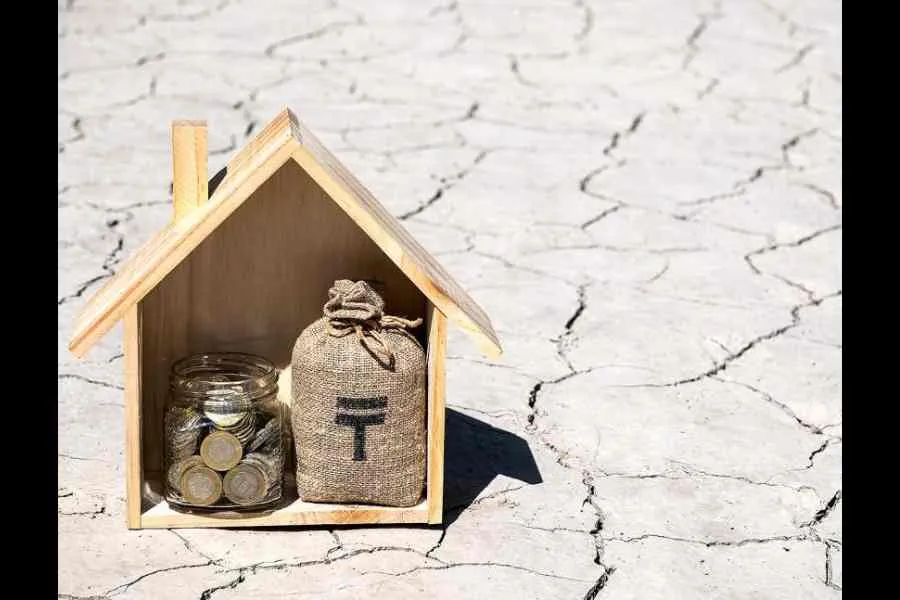
Indian households are adjusting their finances amid rising inflation and geopolitical tensions, particularly due to increased fuel prices linked to conflicts in West Asia. With India importing nearly 90% of its crude oil, higher fuel and transport costs are driving up prices of everyday goods. Consumers are prioritizing liquidity and emergency funds, reflecting a shift toward a 'buffer economy' as economic instability becomes a persistent concern. Experts warn that inflationary pressures will continue affecting household budgets in the coming months.
Political Bias
10%85%5%
Sentiment
58%
AI Analysis
Political bias across 2 sources
● Left 10%● Center 85%● Right 5%
The articles present a largely economic and consumer-focused perspective without explicit political bias. They highlight the impact of international conflicts on domestic inflation and household behavior, incorporating expert economic analysis and consumer responses. The coverage balances government policy actions, such as fuel price hikes, with broader geopolitical factors, avoiding partisan framing.
Sentiment — Neutral (58/100)
The tone across the articles is cautiously concerned, emphasizing the financial challenges faced by households due to inflation and geopolitical instability. While the coverage notes the difficulties of rising costs and economic uncertainty, it also highlights adaptive consumer strategies, resulting in a mixed but primarily pragmatic sentiment.
How 2 sources covered this story
Each source's own headline, political lean, and sentiment — so you can see framing differences at a glance.
| Source | Their headline | Bias | Sentiment |
|---|---|---|---|
| mint | How households should prepare for a year of high inflation and muted income growth due to a faraway war Mint | Center | Neutral |
| thetelegraph | Buffer Economy: Indian households build cash shields against war and inflation | Center | Positive |
Coverage timeline
thetelegraph broke this story on 25 May, 12:41 am. Other outlets followed.
- 1thetelegraph25 May, 12:41 amBuffer Economy: Indian households build cash shields against war and inflation
- 2mint25 May, 07:17 amHow households should prepare for a year of high inflation and muted income growth due to a faraway war Mint
Lens Score breakdown
22/100
Public interest0/100
Coverage gap100%
Well-covered story — coverage matches public importance.
Who's involved
Institutions and figures named across source coverage.
Government
Reserve Bank of India
Story context
- Category
- Business
- Location
- India
- Sources analysed
- 2
- Last analysed
- 25 May 2026
- Key entities
- InflationPetroleumIndiaCost of livingGeopoliticsLiquidityHoardingBusiness cycleStrait of HormuzWestern AsiaLogisticsVolatility (finance)
Related Coverage
Select a news story to see related coverage from other media outlets.