1 hour agoBusiness
24LENS
2 SourcesIndia
 thebalanced.news
Worker Protests Highlight Challenges in India's Labour Sector and Wage Growth
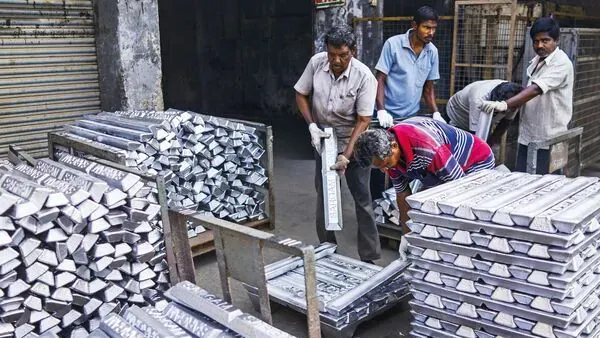
Recent worker protests in North India highlight challenges in India's labour sector, where a shift from manufacturing to services has left many low-skilled workers with stagnant wages and limited protections. While organised sector employees receive some benefits, the vast unorganised workforce lacks adequate social safety nets. Labour laws are inconsistently enforced, and structural issues persist, including low real wage growth and fragmented labour policies, underscoring the need for comprehensive reforms to improve job quality and worker welfare.
Political Bias
45%47%8%
Sentiment
38%
AI Analysis
Political bias across 2 sources
● Left 45%● Center 47%● Right 8%
The articles present a critical view of India's labour policies without aligning with specific political parties. They emphasize structural economic issues and labour law enforcement gaps, reflecting perspectives from economists and political scientists. Both sources focus on systemic challenges affecting workers, avoiding partisan framing and instead highlighting policy shortcomings and historical context.
Sentiment — Neutral (38/100)
The overall tone is critical but measured, focusing on persistent problems such as stagnant wages, inadequate worker protections, and enforcement challenges. While acknowledging India's economic growth, the coverage underscores the negative impact on workers, particularly in the unorganised sector, resulting in a predominantly concerned and analytical sentiment rather than overtly negative or positive.
How 2 sources covered this story
Each source's own headline, political lean, and sentiment — so you can see framing differences at a glance.
| Source | Their headline | Bias | Sentiment |
|---|---|---|---|
| mint | How India's growth story has left its workers behind Mint | Left | Negative |
| hindustantimes | Need a grand bargain to boost job growth | Center | Neutral |
Coverage timeline
hindustantimes broke this story on 5 May, 03:32 pm. Other outlets followed.
- 1hindustantimes5 May, 03:32 pmNeed a grand bargain to boost job growth
- 2mint6 May, 07:52 amHow India's growth story has left its workers behind Mint
Lens Score breakdown
24/100
Public interest0/100
Coverage gap100%
Well-covered story — coverage matches public importance.
Who's involved
Institutions and figures named across source coverage.
Government
Employees Provident Fund OrganisationProduction-Linked Incentive SchemeLabour DepartmentEmployees State Insurance Corporation
Story context
- Category
- Business
- Location
- India
- Sources analysed
- 2
- Last analysed
- 6 May 2026
- Key entities
- IndiaChinaMint (newspaper)Real wagesGross domestic productInflationIndian rupeeNoidaSecondary sector of the economyCompound annual growth rateProductivityLabour Party (UK)
Related Coverage
Select a news story to see related coverage from other media outlets.