1 day agoBusiness
23LENS
2 SourcesIndia
 thebalanced.news
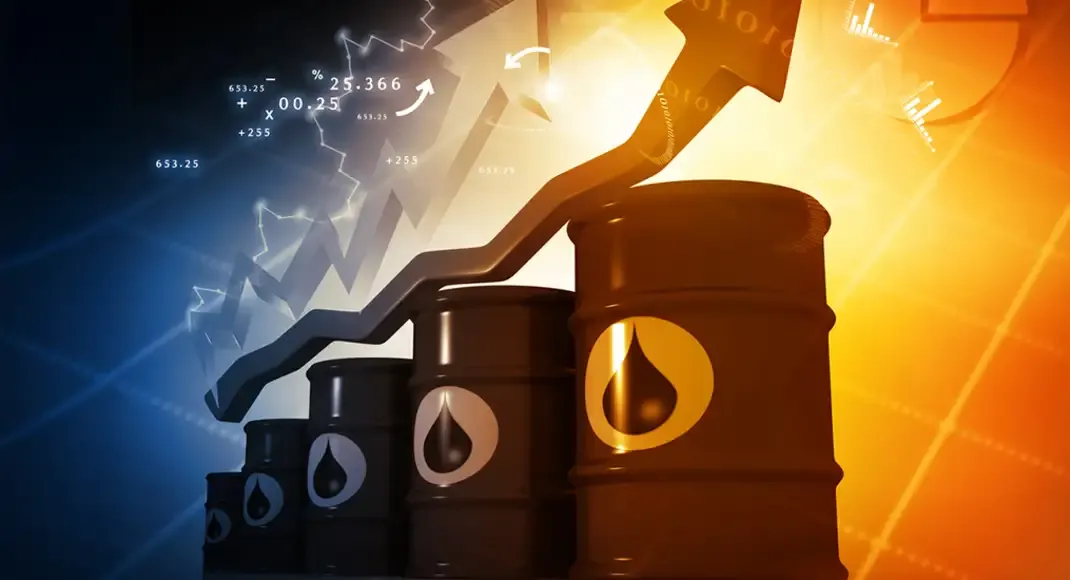
India's Economy Shows Reduced Impact from Oil Prices at USD 100 per Barrel
India's economy shows resilience to oil prices reaching USD 100 per barrel, unlike in the past when such levels caused significant disruption. Factors such as diversified energy sources, improved fiscal management, and strategic reserves contribute to this reduced impact. Market analysts suggest that while oil price hikes still influence inflation and trade deficits, India's adaptive measures have lessened the economic shock compared to earlier periods.
Political Bias
0%100%0%
Sentiment
60%
AI Analysis
Political bias across 2 sources
● Left 0%● Center 100%● Right 0%
The articles primarily present an economic analysis without explicit political framing. They focus on market and fiscal factors influencing India's response to oil price changes, reflecting perspectives from financial analysts and market experts rather than political actors. The coverage is neutral, emphasizing economic resilience without partisan interpretation.
Sentiment — Neutral (60/100)
The tone across the articles is cautiously optimistic, highlighting India's improved capacity to manage high oil prices. While acknowledging ongoing challenges like inflation, the overall sentiment is positive regarding economic stability and strategic preparedness. There is no evident negative or alarmist language, maintaining a balanced and informative approach.
How 2 sources covered this story
Each source's own headline, political lean, and sentiment — so you can see framing differences at a glance.
| Source | Their headline | Bias | Sentiment |
|---|---|---|---|
| economictimes | Why oil at USD100 doesn't shake India like it once did | Center | Neutral |
| economictimes | Why oil at USD100 doesn't shake India like it once did | Center | Neutral |
Coverage timeline
economictimes broke this story on 7 May, 10:32 pm. Other outlets followed.
- 1economictimes7 May, 10:32 pmWhy oil at USD100 doesn't shake India like it once did
- 2economictimes7 May, 11:21 pmWhy oil at USD100 doesn't shake India like it once did
Lens Score breakdown
23/100
Public interest0/100
Coverage gap100%
Well-covered story — coverage matches public importance.
Story context
- Category
- Business
- Location
- India
- Sources analysed
- 2
- Last analysed
- 8 May 2026
- Key entities
- Trade ideaInvestment managementPetroleumIndiaPeerageStockSecurities and Exchange Board of IndiaSolvency
Related Coverage
Select a news story to see related coverage from other media outlets.