1 hour agoBusiness
26LENS
2 SourcesIndia
 thebalanced.news
Calls for Enhanced Economic Forecasting by NITI Aayog and EAC-PM in India
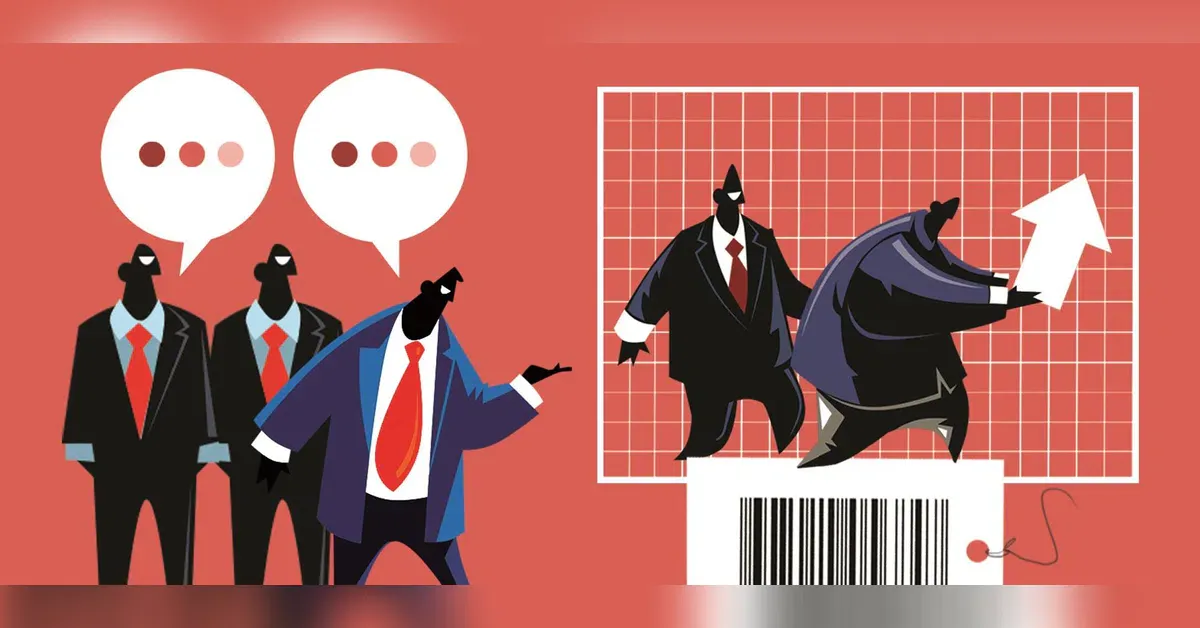
Experts suggest that India's economic think tanks, including NITI Aayog and the Prime Minister's Economic Advisory Council (EAC-PM), should provide more frequent and varied assessments of the country's economic outlook. Currently, guidance mainly comes from the Reserve Bank of India and the annual Economic Survey, which may become outdated amid rapid developments. Enhanced reports with updated growth and inflation forecasts could aid policymakers and markets in better understanding economic trends and challenges.
Political Bias
10%88%2%
Sentiment
55%
AI Analysis
Political bias across 2 sources
● Left 10%● Center 88%● Right 2%
The articles present a technocratic perspective emphasizing the need for improved economic analysis from government advisory bodies without partisan framing. They focus on institutional roles and policy tools, reflecting a consensus on enhancing economic forecasting rather than political debate. The coverage is centered on economic governance and advisory functions, representing expert and policy-oriented viewpoints.
Sentiment — Neutral (55/100)
The tone across the articles is constructive and forward-looking, highlighting opportunities for improvement in economic reporting. There is a positive sentiment toward the potential benefits of more frequent and detailed economic assessments, with no critical or negative language. The coverage encourages development and refinement of existing government economic advisory mechanisms.
How 2 sources covered this story
Each source's own headline, political lean, and sentiment — so you can see framing differences at a glance.
| Source | Their headline | Bias | Sentiment |
|---|---|---|---|
| theprint | Why NITI Aayog and EAC-PM should produce reports on where the Indian economy is headed | Center | Neutral |
| businessstandard | Revamped NITI Aayog, PMEAC can aid in deciphering state of India's economy | Center | Neutral |
Coverage timeline
businessstandard broke this story on 5 May, 05:28 pm. Other outlets followed.
- 1businessstandard5 May, 05:28 pmRevamped NITI Aayog, PMEAC can aid in deciphering state of India's economy
- 2theprint6 May, 04:52 amWhy NITI Aayog and EAC-PM should produce reports on where the Indian economy is headed
Lens Score breakdown
26/100
Public interest0/100
Coverage gap100%
Well-covered story — coverage matches public importance.
Who's involved
Institutions and figures named across source coverage.
Government
PMEACNational Institution for Transforming IndiaUnion Finance MinistryNITI AayogEconomic Advisory Council to the Prime MinisterReserve Bank of India
Story context
- Category
- Business
- Location
- India
- Sources analysed
- 2
- Last analysed
- 6 May 2026
- Key entities
- Economy of IndiaNITI AayogInformation technologyMeridian Speedway (Idaho)InflationIndiaMinistry of Finance (India)Western AsiaMonetary policyThink tankEconomic growthReserve Bank of India
Related Coverage
Select a news story to see related coverage from other media outlets.