2 hours agoBusiness
28LENS
2 SourcesIndia
 thebalanced.news
India Sees Decline in Weekly Work Hours and Flat Real Earnings Post-Pandemic
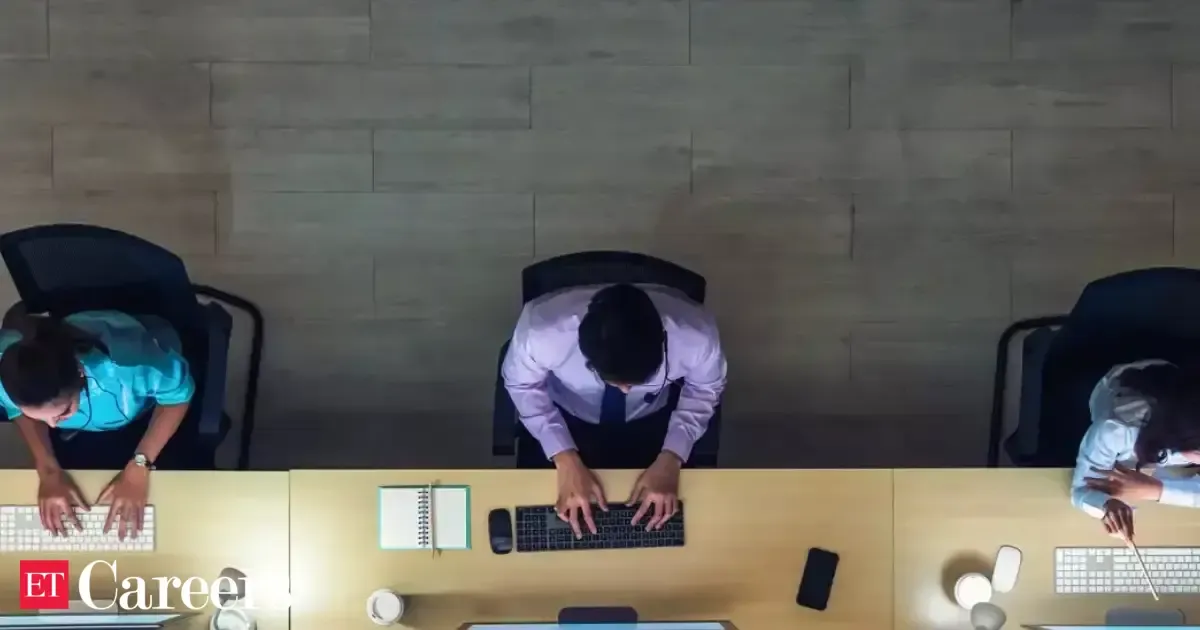
India's latest Periodic Labour Force Survey reveals a decline in weekly working hours across employment categories between 2018-19 and 2025, with self-employed and casual workers experiencing the sharpest drops. Despite a slight rise in real earnings, inflation has largely offset gains. Female labor force participation has increased, mainly in agricultural work, indicating distress-driven employment. Economists attribute these trends to weak aggregate demand and uneven post-pandemic recovery, affecting informal and small enterprise workers more than higher-income groups.
Political Bias
40%58%2%
Sentiment
32%
AI Analysis
Political bias across 2 sources
● Left 40%● Center 58%● Right 2%
The articles present a largely economic and labor market-focused perspective without explicit political framing. They include viewpoints from economists highlighting weak demand and uneven recovery, reflecting concerns about informal sector challenges. The coverage avoids partisan language, focusing on data and expert analysis rather than political debate or policy critique.
Sentiment — Negative (32/100)
The overall tone is neutral to cautiously concerned, emphasizing data-driven observations of reduced work hours and stagnant real earnings. While noting increased female labor participation, the sentiment reflects underlying economic challenges and a fragile recovery, without overt optimism or pessimism. The coverage balances factual reporting with expert interpretation of labor market weaknesses.
How 2 sources covered this story
Each source's own headline, political lean, and sentiment — so you can see framing differences at a glance.
| Source | Their headline | Bias | Sentiment |
|---|---|---|---|
| economictimes | India's post-pandemic jobs recovery masks fall in working hours, weak demand | Left | Negative |
| news18 | Post-Covid Slump? Work Hours Drop As Real Income Stays Flat | Center | Neutral |
Coverage timeline
news18 broke this story on 20 Apr, 05:09 am. Other outlets followed.
- 1news1820 Apr, 05:09 amPost-Covid Slump? Work Hours Drop As Real Income Stays Flat
- 2economictimes20 Apr, 12:52 pmIndia's post-pandemic jobs recovery masks fall in working hours, weak demand
Lens Score breakdown
28/100
Public interest0/100
Coverage gap100%
Well-covered story — coverage matches public importance.
Story context
- Category
- Business
- Location
- India
- Sources analysed
- 2
- Last analysed
- 20 Apr 2026
- Key entities
- Self-employmentIndiaCoronavirusUnemploymentIndian rupeeLabour Party (UK)Labour economicsAggregate demandSmall businessAzim Premji UniversityAgricultureCOVID-19
Related Coverage
Select a news story to see related coverage from other media outlets.