2 hours agoBusiness
31LENS
2 SourcesIran
 thebalanced.news
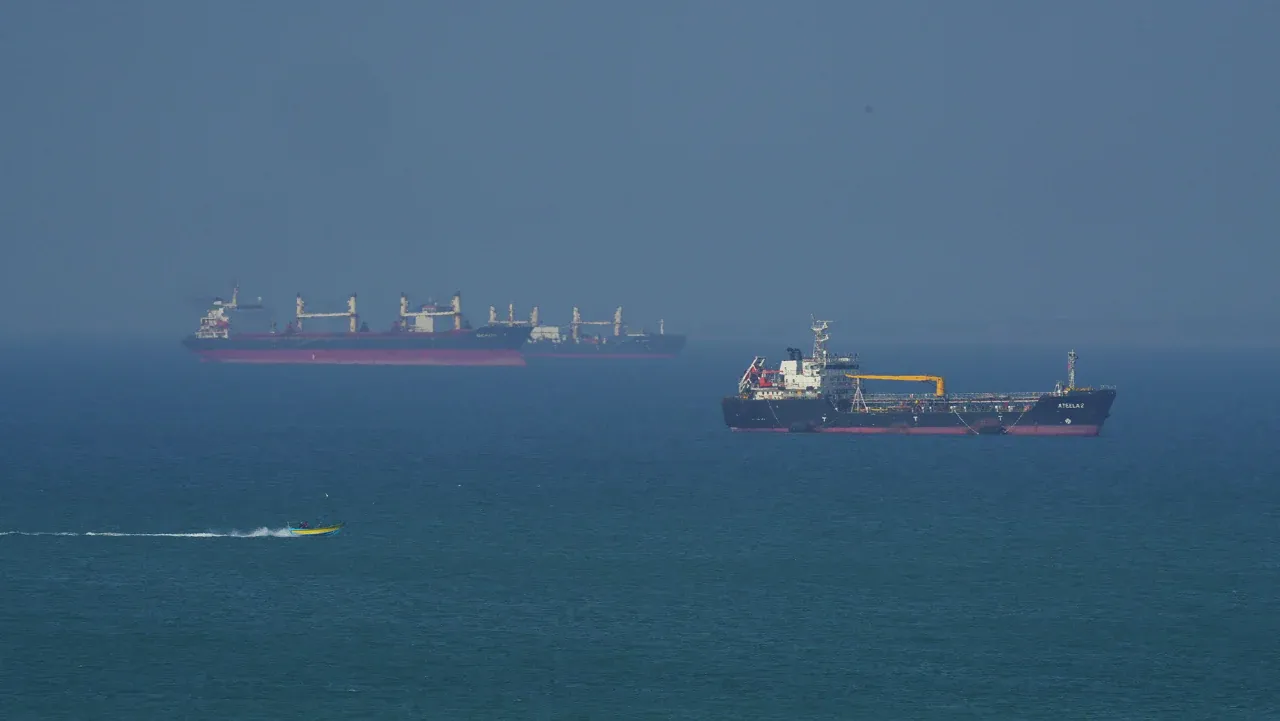
U.S. Energy Agency Projects Strait of Hormuz Closure Through Late May, Fuel Prices Rise
The U.S. Energy Information Administration (EIA) projects the Strait of Hormuz will remain effectively closed through late May due to Iran's conflict with the U.S. and Israel, disrupting global oil exports. This closure has led to higher fuel prices in the U.S., with gasoline expected to average $3.88 per gallon in 2024, an increase from earlier forecasts. The EIA anticipates a gradual reopening next month, but oil traffic may not return to pre-conflict levels until later in the year, contributing to global supply concerns and elevated crude prices.
Political Bias
10%85%5%
Sentiment
30%
AI Analysis
Political bias across 2 sources
● Left 10%● Center 85%● Right 5%
The articles primarily present the U.S. government's perspective through the Energy Information Administration's forecasts, focusing on the impact of Iran's actions on global energy markets and U.S. fuel prices. They mention geopolitical tensions involving Iran, the U.S., and Israel without editorializing, reflecting a viewpoint centered on energy market implications and political challenges faced by the U.S. administration ahead of elections.
Sentiment — Negative (30/100)
The overall tone is factual and neutral, emphasizing the economic and political consequences of the Strait of Hormuz closure. While the coverage highlights concerns over fuel price increases and supply disruptions, it avoids emotive language, maintaining an informative stance on the situation's impact on markets and U.S. domestic politics.
How 2 sources covered this story
Each source's own headline, political lean, and sentiment — so you can see framing differences at a glance.
| Source | Their headline | Bias | Sentiment |
|---|---|---|---|
| moneycontrol | US sees Hormuz shutdown lasting through May as fuel prices surge- Moneycontrol.com | Center | Negative |
| theprint | US government's energy arm assumes Strait of Hormuz will stay shut through late May | Center | Negative |
Coverage timeline
theprint broke this story on 12 May, 04:33 pm. Other outlets followed.
- 1theprint12 May, 04:33 pmUS government's energy arm assumes Strait of Hormuz will stay shut through late May
- 2moneycontrol12 May, 04:42 pmUS sees Hormuz shutdown lasting through May as fuel prices surge- Moneycontrol.com
Lens Score breakdown
31/100
Public interest0/100
Coverage gap100%
Well-covered story — coverage matches public importance.
Who's involved
Institutions and figures named across source coverage.
Government
Energy Information AdministrationU.S. Department of Energy
Story context
- Category
- Business
- Location
- Iran
- Sources analysed
- 2
- Last analysed
- 12 May 2026
- Key entities
- Strait of HormuzGasolineUnited States Department of EnergyIranDiesel fuelMiddle EastDonald TrumpIsraelBarrel (unit)PetroleumEnergy Information AdministrationPrice of oil
Related Coverage
Select a news story to see related coverage from other media outlets.