2 hours agoBusiness
30LENS
2 SourcesLebanon
 thebalanced.news
Fed Holds Rates Steady, Delays Interest Rate Cuts Amid Elevated Inflation and Energy Prices
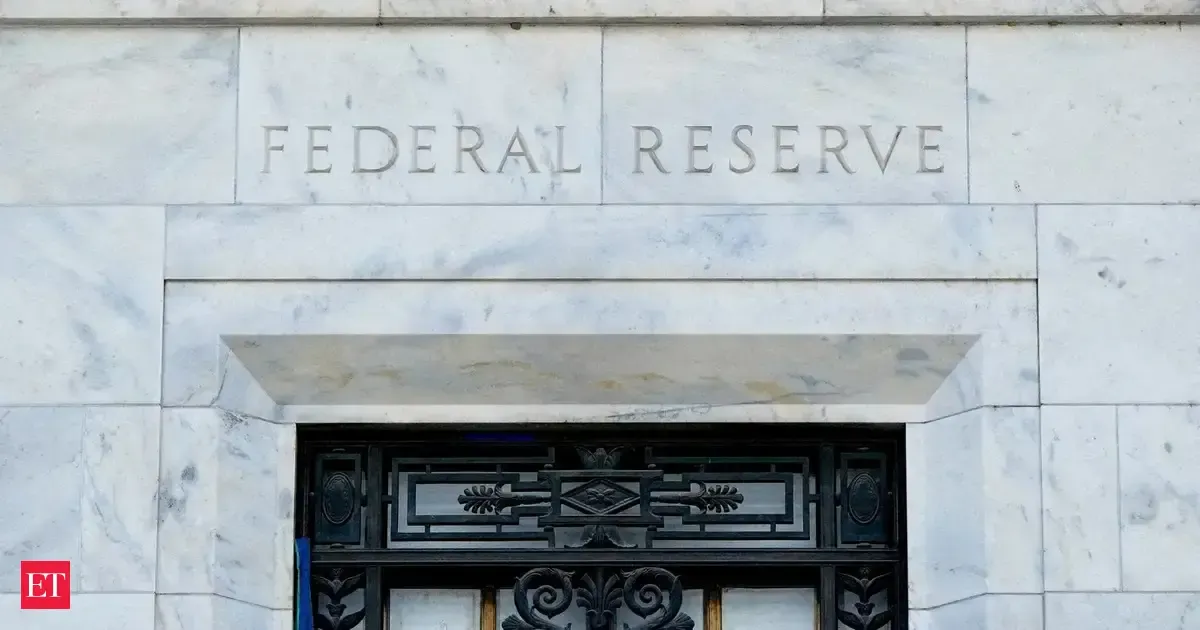
The U.S. Federal Reserve held interest rates steady at its April 29 meeting with an 8-4 vote, reflecting caution amid inflation remaining above the 2% target. The ongoing Middle East conflict has elevated energy prices, contributing to sustained inflation and prompting major brokerages like Goldman Sachs and BofA Global Research to delay expected rate cuts to late 2026 or 2027. Strong labor market data further supports the Fed's decision to maintain current rates for the near term.
Political Bias
0%100%0%
Sentiment
40%
AI Analysis
Political bias across 2 sources
● Left 0%● Center 100%● Right 0%
The articles primarily present economic and policy perspectives from financial institutions and market analysts without partisan framing. They focus on Federal Reserve decisions and economic indicators, reflecting mainstream financial viewpoints. The coverage includes official Fed actions and expert forecasts, maintaining a neutral stance without political commentary or ideological bias.
Sentiment — Neutral (40/100)
The tone across the articles is cautious and analytical, emphasizing economic challenges such as persistent inflation and geopolitical impacts on energy prices. While the coverage notes delays in rate cuts as a response to these factors, it remains neutral, avoiding alarmist or overly optimistic language, instead focusing on measured assessments of economic data and policy implications.
How 2 sources covered this story
Each source's own headline, political lean, and sentiment — so you can see framing differences at a glance.
| Source | Their headline | Bias | Sentiment |
|---|---|---|---|
| economictimes | US Fed interest rate cut prediction: Will 30-year fixed-rate mortgage rate fall in near term? | Center | Neutral |
| economictimes | Goldman Sachs delays Fed cut outlook to December 2026 as Iran war drives US inflation | Center | Neutral |
Coverage timeline
economictimes broke this story on 11 May, 06:06 am. Other outlets followed.
- 1economictimes11 May, 06:06 amGoldman Sachs delays Fed cut outlook to December 2026 as Iran war drives US inflation
- 2economictimes11 May, 03:58 pmUS Fed interest rate cut prediction: Will 30-year fixed-rate mortgage rate fall in near term?
Lens Score breakdown
30/100
Public interest0/100
Coverage gap100%
Well-covered story — coverage matches public importance.
Who's involved
Institutions and figures named across source coverage.
Corporate
Goldman Sachs
Story context
- Category
- Business
- Location
- Lebanon
- Sources analysed
- 2
- Last analysed
- 11 May 2026
- Key entities
- Goldman SachsInflationFederal ReserveBrokerInterest rateChicago Mercantile ExchangeCentral bankFederal Open Market CommitteeMiddle EastBank of AmericaNational Association of RealtorsUnemployment
Related Coverage
Select a news story to see related coverage from other media outlets.