2 hours agoBusiness
34LENS
2 SourcesGhat, Libya
 thebalanced.news
Mumbai-Pune Expressway Missing Link Eases Traffic, Authorities Address Safety Concerns
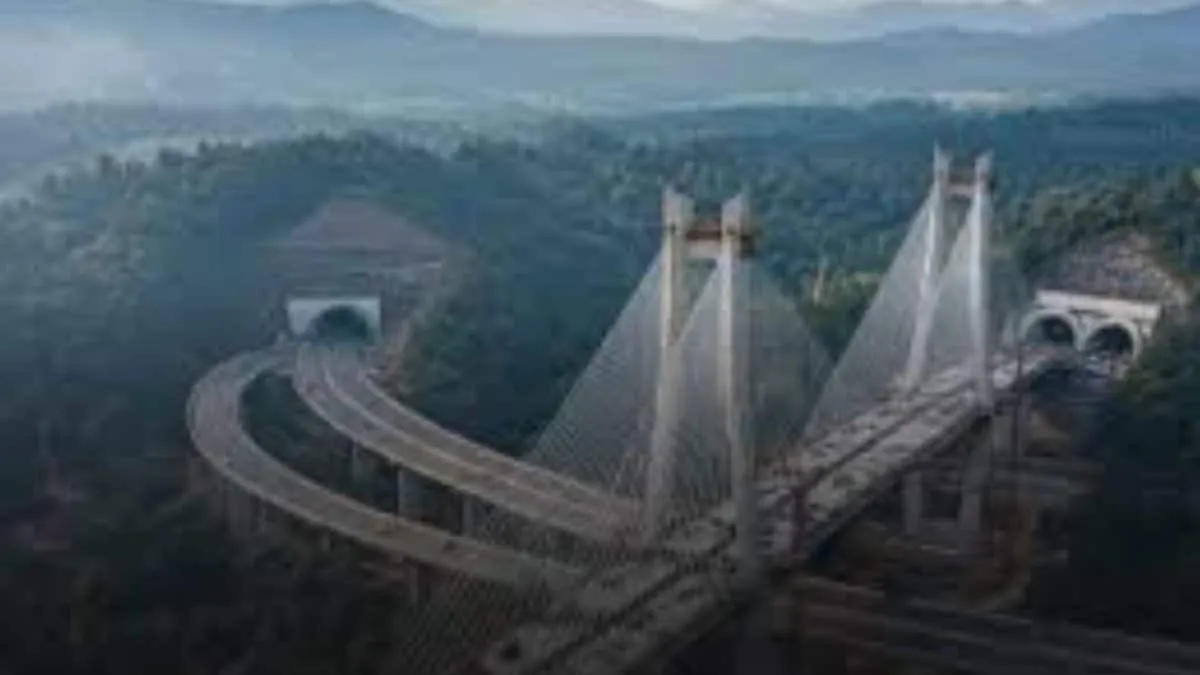
The newly opened Mumbai-Pune Expressway missing link, inaugurated on May 1, has diverted about 70% of light vehicle traffic from the Borghat stretch, easing congestion and reducing travel time by approximately 30 minutes over a 13-20 km corridor. Heavy vehicles continue to use the original route, improving safety and traffic flow. Authorities have placed barricades on the scenic bridge to prevent vehicles from stopping for selfies, addressing safety concerns amid increased tourist activity.
Political Bias
5%93%2%
Sentiment
72%
AI Analysis
Political bias across 2 sources
● Left 5%● Center 93%● Right 2%
The articles primarily present official perspectives from government and highway authorities, focusing on infrastructure benefits and safety measures. There is no evident partisan framing; both sources highlight improvements and challenges without political commentary, reflecting a consensus on the project's impact and management.
Sentiment — Positive (72/100)
Coverage is generally positive, emphasizing reduced congestion, improved travel times, and enhanced safety. However, it also notes safety concerns due to motorists stopping for selfies, showing a balanced tone that acknowledges both benefits and emerging issues without sensationalism.
How 2 sources covered this story
Each source's own headline, political lean, and sentiment — so you can see framing differences at a glance.
| Source | Their headline | Bias | Sentiment |
|---|---|---|---|
| hindustantimes | Barricades placed on E-way Missing Link bridge to curb selfie rush: 308 motorists fined | Center | Positive |
| news18 | Mumbai-Pune Expressway 'Missing Link': Borghat Traffic Finally Down 70 | Center | Positive |
Coverage timeline
news18 broke this story on 11 May, 09:44 am. Other outlets followed.
- 1news1811 May, 09:44 amMumbai-Pune Expressway 'Missing Link': Borghat Traffic Finally Down 70
- 2hindustantimes12 May, 12:13 amBarricades placed on E-way Missing Link bridge to curb selfie rush: 308 motorists fined
Lens Score breakdown
34/100
Public interest0/100
Coverage gap100%
Well-covered story — coverage matches public importance.
Accountability flags
TBN's analysis identified the following accountability dimensions in this story.
- public safety issue
This story involves a risk to public safety — infrastructure failure, regulatory lapse, hazardous conditions, or emergency mishandling.
Who's involved
Institutions and figures named across source coverage.
Government
Maharashtra State Road Development CorporationHighway Police
Political
Chief Minister Devendra Fadnavis
Enforcement
Highway Safety Patrol Borghat UnitHighway Police
Story context
- Category
- Business
- Location
- Ghat, Libya
- Sources analysed
- 2
- Last analysed
- 12 May 2026
- Key entities
- Controlled-access highwayTraffic congestionGhatMaharashtra State Road Development CorporationKhopoliPuneHighway patrolMumbai–Pune ExpresswayMotor vehicleTrafficRaigad districtThe Times of India
Related Coverage
Select a news story to see related coverage from other media outlets.