2 hours agoBusiness
45LENS
2 SourcesChina
 thebalanced.news
China Fines Food Delivery Platforms Over Unlicensed 'Ghost Kitchen' Operations
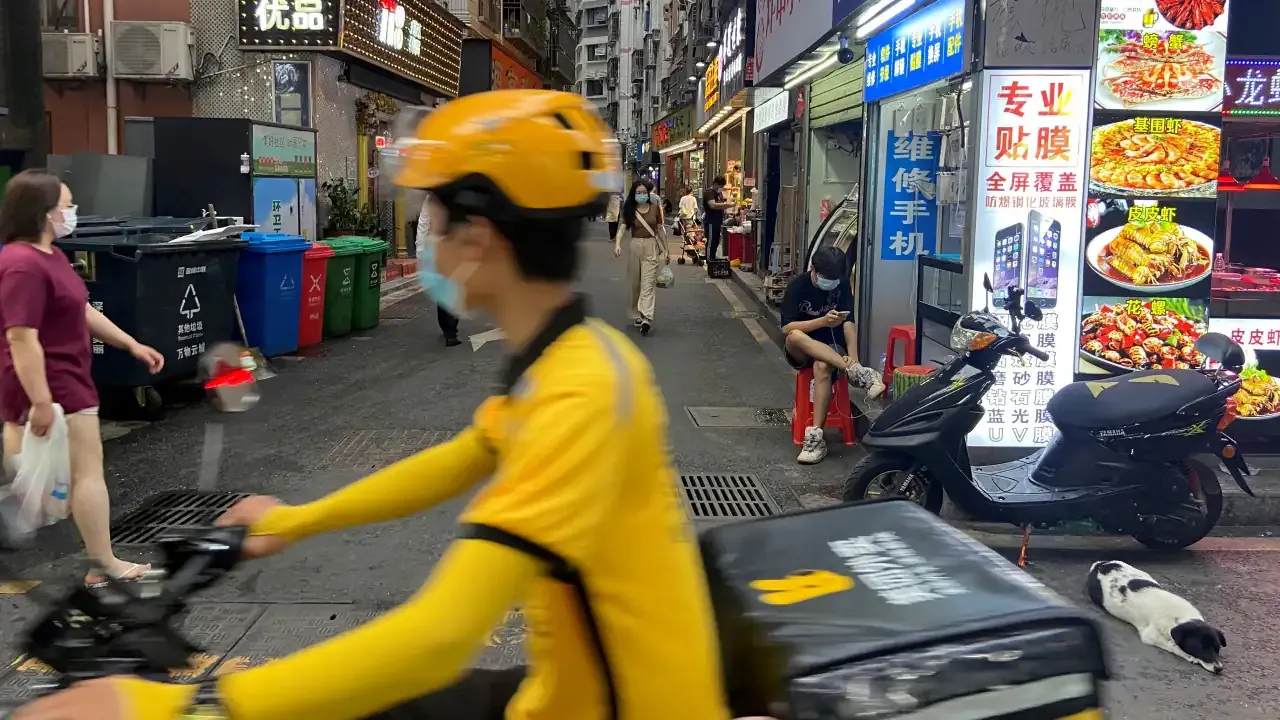
Chinese regulators have fined major e-commerce and food delivery platforms around 500 million yuan after uncovering widespread use of 'ghost deliveries'—vendors listed as restaurants without physical locations or proper licenses. These ghost kitchens often operate through fake or borrowed licenses and pass orders to third-party kitchens without customer knowledge, raising food safety and consumer protection concerns. The crackdown followed a complaint about a faulty birthday cake, leading to a nationwide investigation that exposed tens of thousands of unverified sellers.
Political Bias
0%100%0%
Sentiment
45%
AI Analysis
Political bias across 2 sources
● Left 0%● Center 100%● Right 0%
The articles present a regulatory perspective focusing on government actions against unlicensed food vendors and delivery platforms. They emphasize consumer protection and food safety without political commentary. Both sources frame the story around official investigations and enforcement, reflecting a neutral stance centered on regulatory compliance and public health concerns.
Sentiment — Neutral (45/100)
The overall tone is critical but factual, highlighting the risks posed by unverified food vendors and the government's response. Coverage is largely negative regarding the ghost delivery practices due to food safety issues, but it remains neutral by focusing on the investigation and penalties rather than emotive language or sensationalism.
How 2 sources covered this story
Each source's own headline, political lean, and sentiment — so you can see framing differences at a glance.
| Source | Their headline | Bias | Sentiment |
|---|---|---|---|
| moneycontrol | Fake restaurants, real orders: Inside China's massive 'ghost delivery' scam that triggered 500 million fines- Moneycontrol.com | Center | Neutral |
| firstpost | How a cake order busted China's 'ghost kitchens' scandal | Center | Neutral |
Coverage timeline
firstpost broke this story on 23 Apr, 11:49 am. Other outlets followed.
- 1firstpost23 Apr, 11:49 amHow a cake order busted China's 'ghost kitchens' scandal
- 2moneycontrol23 Apr, 01:29 pmFake restaurants, real orders: Inside China's massive 'ghost delivery' scam that triggered 500 million fines- Moneycontrol.com
Lens Score breakdown
45/100
Public interest0/100
Coverage gap100%
Story is receiving appropriate media attention relative to public interest.
Accountability flags
TBN's analysis identified the following accountability dimensions in this story.
- financial irregularity
This story involves alleged financial misconduct — unexplained transactions, procurement irregularities, or misuse of public/shareholder funds.
- public safety issue
This story involves a risk to public safety — infrastructure failure, regulatory lapse, hazardous conditions, or emergency mishandling.
Who's involved
Institutions and figures named across source coverage.
Government
Economic DailyState Administration for Market RegulationChina State Administration for Market Regulation
Corporate
PinduoduoMeituanJD.comTaobaoDouyinAlibaba-owned Taobao
Story context
- Category
- Business
- Location
- China
- Sources analysed
- 2
- Last analysed
- 23 Apr 2026
- Key entities
- GhostChinaPinduoduoCakeE-commerceFood safetyMeituanState Administration for Market RegulationFood deliverySouth China Morning PostXinhua News AgencyBeijing
Related Coverage
Select a news story to see related coverage from other media outlets.