1 hour agoBusiness
34LENS
2 SourcesTaiwan
 thebalanced.news
SEMI Urges Southeast Asia to Expand Semiconductor Manufacturing by 2029
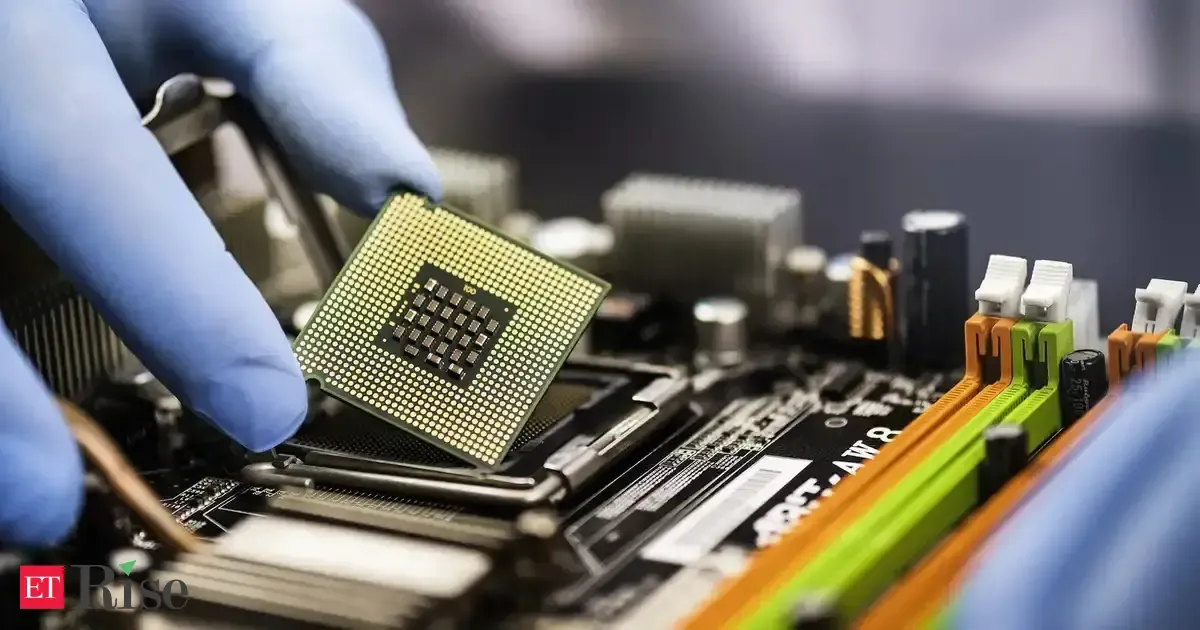
SEMI's CEO Ajit Manocha emphasized the need for Southeast Asia to increase semiconductor fabrication plants, noting that only six of 64 new fabs planned in Asia by 2029 are in the region, with most located in China and Taiwan. This concentration raises supply chain risks due to geopolitical tensions and recent disruptions like the COVID-19 pandemic. Expanding production hubs in Southeast Asia is seen as vital to diversify manufacturing and reduce vulnerabilities in the global chip industry.
Political Bias
0%100%0%
Sentiment
65%
AI Analysis
Political bias across 2 sources
● Left 0%● Center 100%● Right 0%
The articles present a neutral industry perspective focused on economic and supply chain considerations without political framing. They highlight concerns about geopolitical risks related to concentration in China and Taiwan but do not assign blame or take sides. The viewpoint is primarily from SEMI's leadership, representing global semiconductor stakeholders emphasizing diversification.
Sentiment — Neutral (65/100)
The tone across the articles is cautiously concerned yet constructive, emphasizing risks in current semiconductor production concentration while advocating for growth opportunities in Southeast Asia. The sentiment is balanced, focusing on industry challenges and potential solutions without alarmism or undue optimism.
How 2 sources covered this story
Each source's own headline, political lean, and sentiment — so you can see framing differences at a glance.
| Source | Their headline | Bias | Sentiment |
|---|---|---|---|
| economictimes | Southeast Asia needs to expand semiconductor production, global trade group SEMI says | Center | Neutral |
| economictimes | Southeast Asia needs to expand semiconductor production, global trade group SEMI says | Center | Neutral |
Coverage timeline
economictimes broke this story on 5 May, 05:49 am. Other outlets followed.
- 1economictimes5 May, 05:49 amSoutheast Asia needs to expand semiconductor production, global trade group SEMI says
- 2economictimes5 May, 08:19 amSoutheast Asia needs to expand semiconductor production, global trade group SEMI says
Lens Score breakdown
34/100
Public interest0/100
Coverage gap100%
Well-covered story — coverage matches public importance.
Who's involved
Institutions and figures named across source coverage.
Corporate
IntelAMDSEMI
Story context
- Category
- Business
- Location
- Taiwan
- Sources analysed
- 2
- Last analysed
- 5 May 2026
- Key entities
- SEMISemiconductor fabrication plantSoutheast AsiaAjit ManochaInternational tradeSemiconductorTaiwanChinaAMDCoronavirusSupply chainIntel
Related Coverage
Select a news story to see related coverage from other media outlets.