2 hours agoBusiness
44LENS
3 SourcesBangalore, India
 thebalanced.news
Gig and On-Demand Platforms Face Worker Shortages Amid Rising Demand and Heat
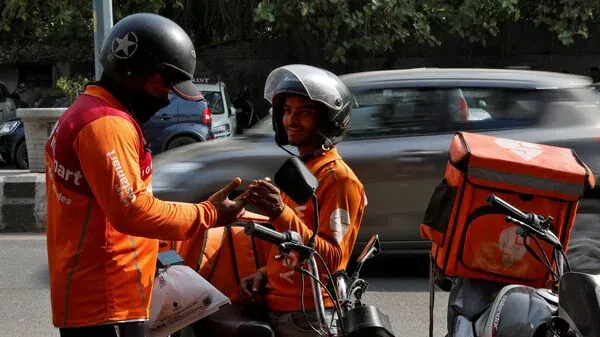
Gig and on-demand workers in India are increasingly favoring stable, fixed-salary jobs over gig roles, leading to workforce shortages and higher hiring costs for delivery and home service platforms during peak summer demand. Companies like Zomato, Blinkit, and Swiggy are enhancing worker protections with cooling infrastructure, insurance, and welfare measures amid rising temperatures. Seasonal migration and political events have further strained availability, causing service delays and booking challenges in urban areas.
Political Bias
10%87%3%
Sentiment
53%
AI Analysis
Political bias across 3 sources
● Left 10%● Center 87%● Right 3%
The articles primarily present economic and operational perspectives from companies and recruitment platforms without explicit political framing. They include viewpoints from platform operators, recruitment firms, and workers indirectly through reported behaviors. The coverage focuses on labor market dynamics and corporate responses, avoiding partisan or ideological interpretations.
Sentiment — Neutral (53/100)
The overall tone is mixed, combining concerns about worker shortages and rising costs with descriptions of company efforts to improve worker welfare and safety. While challenges such as service delays and recruitment difficulties are highlighted, the articles also note proactive measures by platforms to support workers during extreme heat, reflecting a balanced sentiment.
How 3 sources covered this story
Each source's own headline, political lean, and sentiment — so you can see framing differences at a glance.
| Source | Their headline | Bias | Sentiment |
|---|---|---|---|
| mint | Platforms struggle to hire as gig workers favour stable roles Mint | Center | Neutral |
| businessstandard | As temperatures soar, online platforms step up heat protection for workers | Center | Neutral |
| mint | Instant help services face scalability test amid worker shortages in peak summer period Company Business News | Center | Neutral |
Coverage timeline
mint broke this story on 5 May, 06:15 am. Other outlets followed.
- 1mint5 May, 06:15 amInstant help services face scalability test amid worker shortages in peak summer period Company Business News
- 2businessstandard5 May, 09:36 amAs temperatures soar, online platforms step up heat protection for workers
- 3mint5 May, 12:44 pmPlatforms struggle to hire as gig workers favour stable roles Mint
Lens Score breakdown
44/100
Public interest0/100
Coverage gap90%
Story is receiving appropriate media attention relative to public interest.
Who's involved
Institutions and figures named across source coverage.
Government
India Meteorological DepartmentNITI AayogMinistry of Labour and EmploymentEconomic Survey
Corporate
DelhiveryCIEL HRAmazonZomatoMyJobeeBlinkitTeamLease DigitalShadowfaxAmazon IndiaInstahyreSnabbitSwiggyMirae AssetEternalFlipkartEpiq CapitalProntoVahan.aiTeamLease Services LtdBigBasketSusquehanna Venture CapitalUrban Company
Story context
- Category
- Business
- Location
- Bangalore, India
- Sources analysed
- 3
- Last analysed
- 5 May 2026
- Key entities
- IndiaGig workerIndian rupeeMint (newspaper)FlipkartAmazon (company)InsuranceBlinkitSwiggyCost of livingE-commerceLogistics
Related Coverage
Select a news story to see related coverage from other media outlets.