1 hour agoBusiness
31LENS
2 SourcesChina
 thebalanced.news
Jaguar Land Rover Faces Profit Challenges Amid Cyberattack and Tariffs; JLR India Reports Revenue Growth
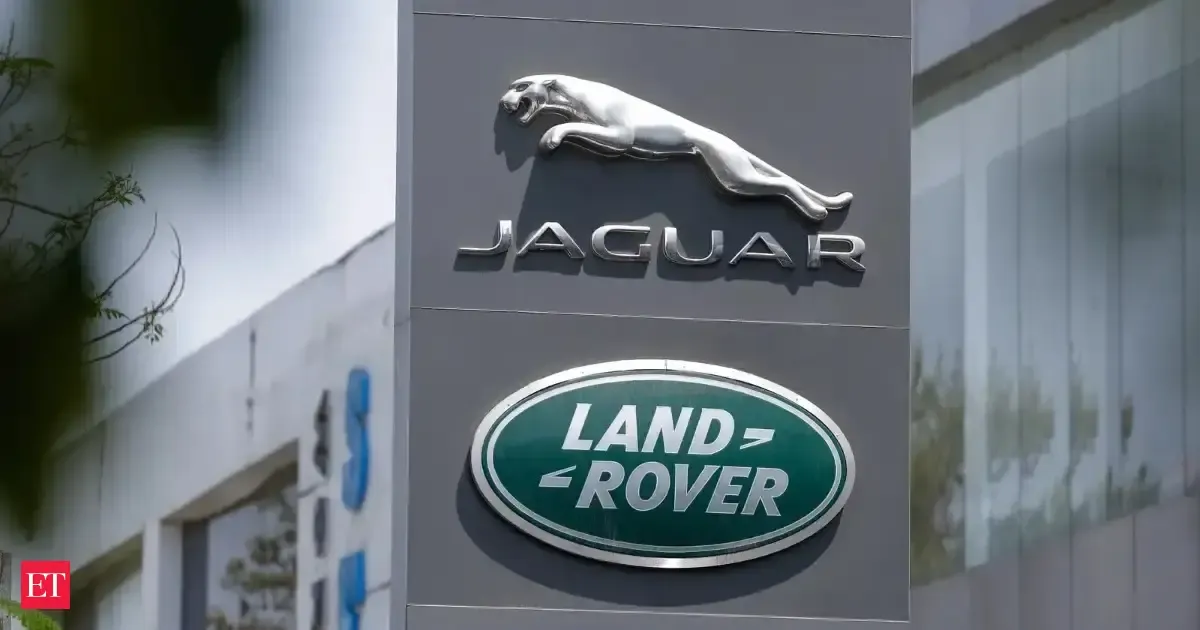
Jaguar Land Rover (JLR) faced significant challenges last year, including a near-total profit loss due to US tariffs, reduced demand in China, and a cyberattack that disrupted production. Despite these setbacks, JLR India reported a 14% revenue increase in FY26, driven by strong demand for premium SUVs like Range Rover and Defender. While wholesale volumes remained stable, retail sales saw a slight decline, partly attributed to the cyber incident and broader industry issues. JLR is advancing plans to launch new electric vehicles to regain market position.
Political Bias
0%100%0%
Sentiment
55%
AI Analysis
Political bias across 2 sources
● Left 0%● Center 100%● Right 0%
The articles present a business-focused perspective without overt political framing. They highlight the impact of US tariffs and global market conditions on JLR's financial performance, reflecting economic and trade policy influences. The coverage includes corporate responses and market data, representing both challenges and growth within different regional contexts, without partisan bias.
Sentiment — Neutral (55/100)
The overall tone is mixed, combining negative aspects such as profit losses, production disruptions, and market challenges with positive elements like revenue growth in India and ongoing product development. The sentiment balances setbacks with signs of recovery and strategic initiatives, providing a nuanced view of JLR's current situation.
How 2 sources covered this story
Each source's own headline, political lean, and sentiment — so you can see framing differences at a glance.
| Source | Their headline | Bias | Sentiment |
|---|---|---|---|
| thefinancialexpress | JLR India FY26 revenue rises 14 on strong demand for premium SUVs | Center | Neutral |
| economictimes | Jaguar Land Rover profit wiped out by cyberattack, US tariffs | Center | Neutral |
Coverage timeline
economictimes broke this story on 14 May, 07:29 pm. Other outlets followed.
- 1economictimes14 May, 07:29 pmJaguar Land Rover profit wiped out by cyberattack, US tariffs
- 2thefinancialexpress15 May, 12:09 pmJLR India FY26 revenue rises 14 on strong demand for premium SUVs
Lens Score breakdown
31/100
Public interest0/100
Coverage gap100%
Well-covered story — coverage matches public importance.
Who's involved
Institutions and figures named across source coverage.
Corporate
Tata Motors Passenger Vehicles Ltd.Jaguar Land RoverJLR India
Story context
- Category
- Business
- Location
- China
- Sources analysed
- 2
- Last analysed
- 15 May 2026
- Key entities
- Jaguar Land RoverLuxury carRange RoverSUVTariffCyberattackChinaElectric vehicleJaguar CarsUnited KingdomTata MotorsDonald Trump
Related Coverage
Select a news story to see related coverage from other media outlets.