2 hours agoBusiness
29LENS
2 SourcesIran
 thebalanced.news
U.S. Dollar Rises to One-Week High Amid Renewed U.S.-Iran Tensions
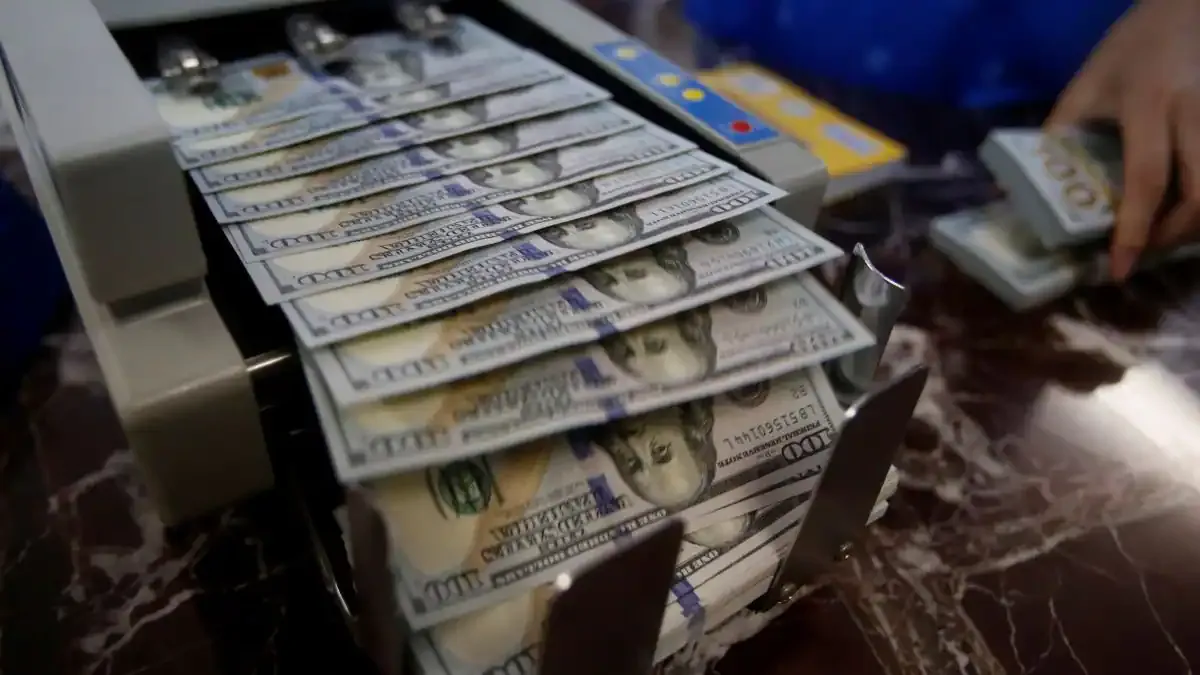
The U.S. dollar rose to its highest level in a week amid renewed tensions between the U.S. and Iran, including the U.S. seizure of an Iranian cargo ship and Iran's refusal to join further peace talks. This geopolitical risk prompted investors to seek safe havens, causing declines in the euro, British pound, and Australian dollar. Analysts noted that while the dollar remains favored, any market fluctuations may be limited given ongoing uncertainties in the Middle East.
Political Bias
0%100%0%
Sentiment
38%
AI Analysis
Political bias across 2 sources
● Left 0%● Center 100%● Right 0%
The articles present perspectives from both U.S. and Iranian actions without favoring either side, focusing on factual developments such as the cargo ship seizure and Iran's response. Analysts' views on market reactions are included neutrally, reflecting investor sentiment and geopolitical risk without political commentary. The coverage emphasizes economic impacts rather than political judgments.
Sentiment — Neutral (38/100)
The overall tone is neutral to cautious, highlighting increased geopolitical risks and their effects on currency markets. While the dollar's rise is noted, the articles avoid positive or negative framing, instead emphasizing uncertainty and market volatility due to ongoing Middle East tensions. Analyst comments reflect measured concern without alarmist language.
How 2 sources covered this story
Each source's own headline, political lean, and sentiment — so you can see framing differences at a glance.
| Source | Their headline | Bias | Sentiment |
|---|---|---|---|
| economictimes | Dollar rebounds as Middle East tensions reignite, Hormuz closed | Center | Neutral |
| firstpost | Dollar climbs to one-week high as US-Iran tensions dent risk appetite | Center | Neutral |
Coverage timeline
firstpost broke this story on 20 Apr, 01:57 am. Other outlets followed.
- 1firstpost20 Apr, 01:57 amDollar climbs to one-week high as US-Iran tensions dent risk appetite
- 2economictimes20 Apr, 02:20 amDollar rebounds as Middle East tensions reignite, Hormuz closed
Lens Score breakdown
29/100
Public interest0/100
Coverage gap100%
Well-covered story — coverage matches public importance.
Who's involved
Institutions and figures named across source coverage.
Government
U.S. Military
Story context
- Category
- Business
- Location
- Iran
- Sources analysed
- 2
- Last analysed
- 20 Apr 2026
- Key entities
- IranBlockadeMiddle EastUnited States dollarCargo shipCurrencyPound sterlingEuroNew Zealand dollarBitcoinJapanese yenRisk premium
Related Coverage
Select a news story to see related coverage from other media outlets.