1 hour agoBusiness
22LENS
2 SourcesIran
 thebalanced.news
Challenges Limit Immediate Increase in Oil Production Despite Rising Prices
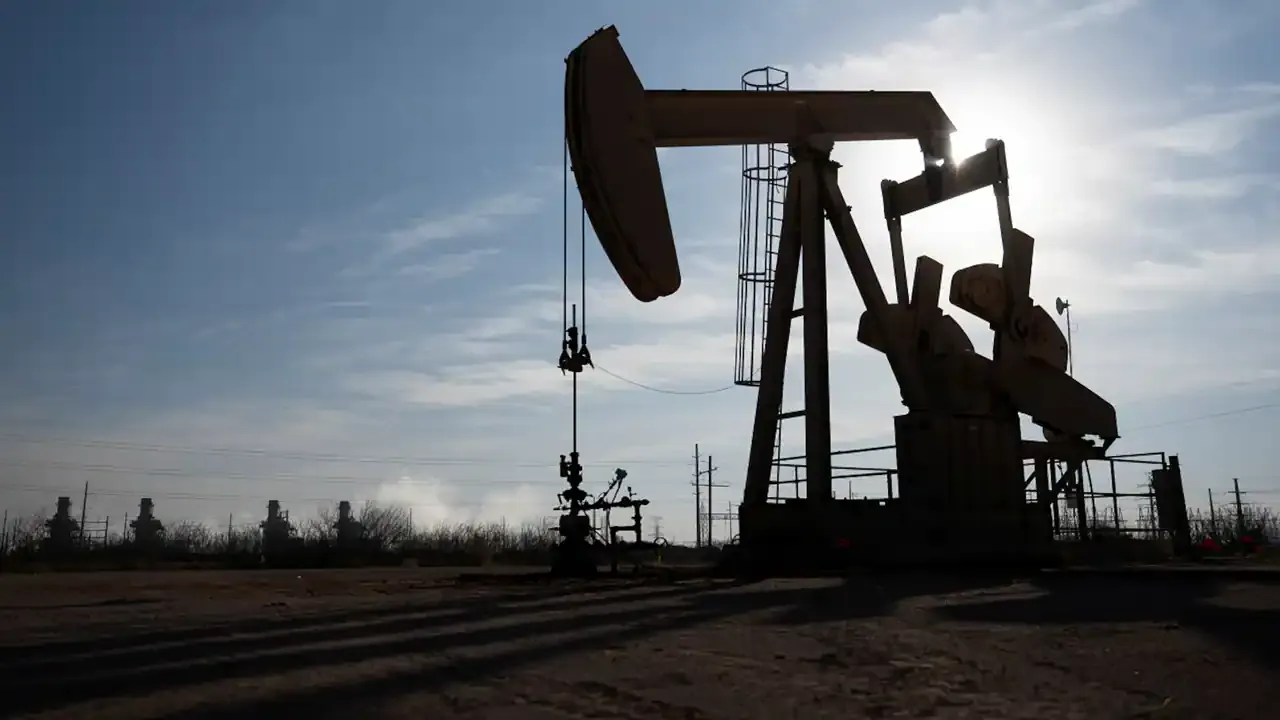
Oil prices have surged above $110 a barrel amid tensions near the Strait of Hormuz, prompting questions about increasing production. However, expanding oil output is complex and time-consuming, often taking years to impact supply. High drilling costs and limited spare capacity constrain rapid increases. Additionally, refinery bottlenecks limit fuel processing. Long-term concerns include depletion of easily accessible reserves, leading to reliance on more costly sources. The industry acknowledges these challenges amid current geopolitical pressures.
Political Bias
5%93%2%
Sentiment
50%
AI Analysis
Political bias across 2 sources
● Left 5%● Center 93%● Right 2%
The articles present a largely technical and economic perspective on oil production challenges without evident political framing. They focus on industry constraints, market dynamics, and geopolitical tensions around Iran, reflecting a neutral stance. No partisan viewpoints or policy debates are emphasized, maintaining an objective explanation of supply issues.
Sentiment — Neutral (50/100)
The tone across the articles is neutral and informative, highlighting practical difficulties in scaling oil production and refining capacity. While acknowledging price surges and geopolitical tensions, the coverage avoids alarmism or optimism, instead presenting measured concerns about long-term supply and investment considerations.
How 2 sources covered this story
Each source's own headline, political lean, and sentiment — so you can see framing differences at a glance.
| Source | Their headline | Bias | Sentiment |
|---|---|---|---|
| moneycontrol | Why the world can't just drill more oil despite soaring prices- Moneycontrol.com | Center | Neutral |
| moneycontrol | Why the world can't just drill more oil despite soaring prices | Center | Neutral |
Coverage timeline
moneycontrol broke this story on 5 May, 09:12 am. Other outlets followed.
- 1moneycontrol5 May, 09:12 amWhy the world can't just drill more oil despite soaring prices
- 2moneycontrol5 May, 09:17 amWhy the world can't just drill more oil despite soaring prices- Moneycontrol.com
Lens Score breakdown
22/100
Public interest0/100
Coverage gap100%
Well-covered story — coverage matches public importance.
Story context
- Category
- Business
- Location
- Iran
- Sources analysed
- 2
- Last analysed
- 5 May 2026
- Key entities
- PetroleumOil wellPrice of oilStrait of HormuzBarrelCNNUnited States dollarIranChoke pointOil refineryRenewable energyLatin America
Related Coverage
Select a news story to see related coverage from other media outlets.