2 hours agoBusiness
31LENS
3 SourcesIndia
 thebalanced.news
India Advances EV Adoption, Ethanol Blends, and Localization to Address Fuel Challenges
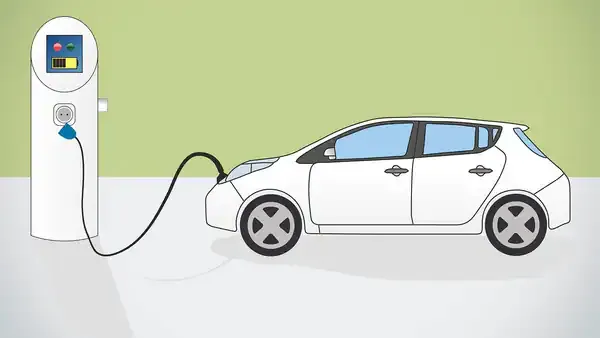
India's automotive sector faces rising fuel costs and regulatory changes, prompting a shift toward electric vehicles (EVs) as a fiscal hedge amid crude price volatility and a weak rupee. The government is advancing ethanol fuel blends, including E85 and E100, while requiring electric truck makers to localize components by 2026 to qualify for incentives. These measures aim to reduce oil import dependence and emissions, though challenges remain in vehicle affordability and infrastructure development.
Political Bias
10%85%5%
Sentiment
65%
AI Analysis
Political bias across 3 sources
● Left 10%● Center 85%● Right 5%
The articles primarily present government policies and industry perspectives on India's energy and automotive transitions without partisan framing. They include official initiatives, expert commentary, and industry challenges, reflecting a policy-focused viewpoint. The coverage balances regulatory intentions with market realities, avoiding overt political bias or ideological positioning.
Sentiment — Neutral (65/100)
The overall tone is cautiously optimistic, highlighting government efforts to mitigate fuel volatility and environmental impact through EVs and ethanol blending. While acknowledging challenges like cost and infrastructure, the articles maintain a neutral, informative stance without sensationalism or undue criticism.
How 3 sources covered this story
Each source's own headline, political lean, and sentiment — so you can see framing differences at a glance.
| Source | Their headline | Bias | Sentiment |
|---|---|---|---|
| mint | The great fuel hedge: can EVs become a solution to India's ICE volatility Mint | Center | Neutral |
| mint | Mint Explainer What India's ethanol push means for carmakers, buyers Mint | Center | Neutral |
| mint | What do new E-truck localization conditions mean for the industry? Mint | Center | Neutral |
Coverage timeline
mint broke this story on 4 May, 10:34 am. Other outlets followed.
- 1mint4 May, 10:34 amWhat do new E-truck localization conditions mean for the industry? Mint
- 2mint5 May, 12:40 amMint Explainer What India's ethanol push means for carmakers, buyers Mint
- 3mint5 May, 07:13 amThe great fuel hedge: can EVs become a solution to India's ICE volatility Mint
Lens Score breakdown
31/100
Public interest0/100
Coverage gap90%
Well-covered story — coverage matches public importance.
Who's involved
Institutions and figures named across source coverage.
Government
CentreUnion Petroleum and Natural Gas MinistryOil Marketing CompaniesMinistry of Heavy IndustriesUnion Road and Transport Ministry
Corporate
Volvo EicherIndian Sugar Bio-Energy Manufacturers AssociationRoyal EnfieldTata MotorsMontra ElectricToyota Kirlosokar MotorAshok LeylandToyotaHyundai Motor IndiaMahindraEKA MobilityMaruti SuzukiTata
Story context
- Category
- Business
- Location
- India
- Sources analysed
- 3
- Last analysed
- 5 May 2026
- Key entities
- Electric vehicleGasolineIndiaEthanolIndian rupeeWestern AsiaPetroleumMint (newspaper)Mahindra & MahindraTata MotorsToyotaBharat stage emission standards
Related Coverage
Select a news story to see related coverage from other media outlets.