1 hour agoBusiness
37LENS
2 SourcesGujarat, India
 thebalanced.news
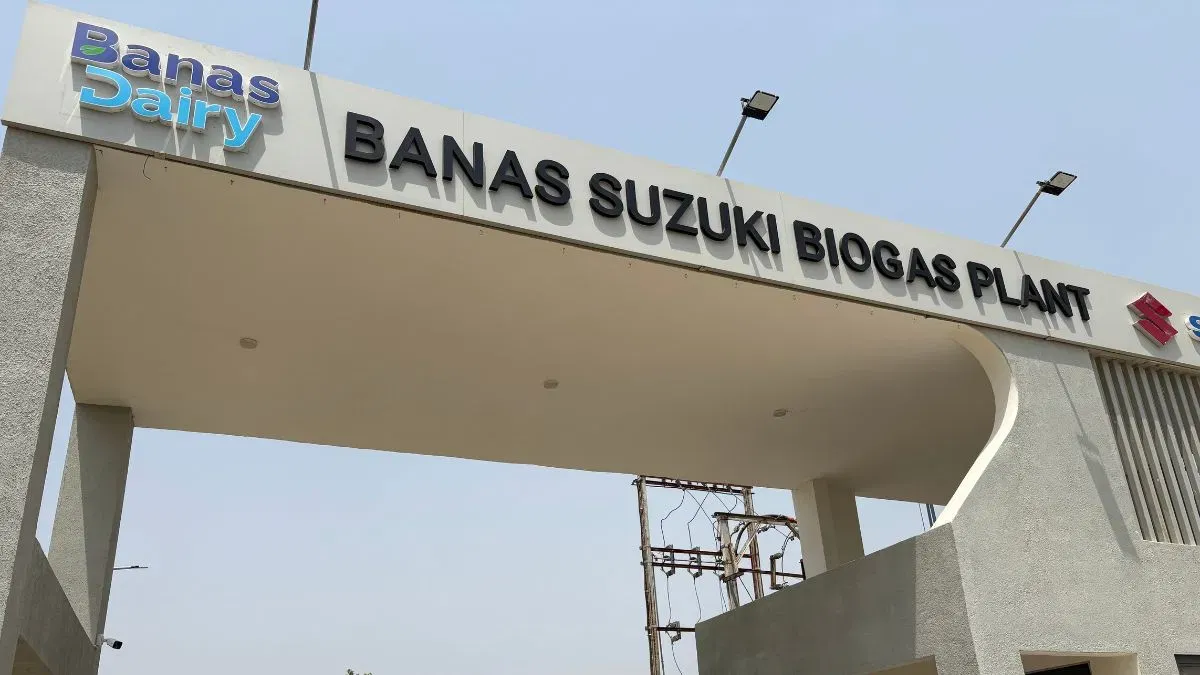
Gujarat Plant Converts Cow Dung into Bio-CNG and Organic Fertiliser
A Rs 45 crore plant in Gujarat, developed through a partnership between Banas Dairy, NDDB, and Suzuki Research and Development India, converts 100 tonnes of daily cow dung into 1.5-1.8 tonnes of Bio-CNG, sold at Rs 75 per kilogram, cheaper than regular natural gas. The plant also produces phosphate-rich organic fertiliser and enriched slurry water, generating 80% of its revenue. Currently, cow dung is collected from about 500 farmers across 35 dairy collectives, with Banas Dairy expected to take over operations.
Political Bias
10%85%5%
Sentiment
75%
AI Analysis
Political bias across 2 sources
● Left 10%● Center 85%● Right 5%
The articles present a neutral, development-focused perspective highlighting a public-private partnership involving government and corporate entities. They emphasize technological innovation and economic benefits without political framing or partisan viewpoints, reflecting a consensus on sustainable energy and agricultural advancement.
Sentiment — Positive (75/100)
The tone across the articles is positive, focusing on the environmental and economic advantages of the project. Coverage highlights cost savings, resource efficiency, and revenue generation, portraying the initiative as a constructive example of sustainable development without critical or negative commentary.
How 2 sources covered this story
Each source's own headline, political lean, and sentiment — so you can see framing differences at a glance.
| Source | Their headline | Bias | Sentiment |
|---|---|---|---|
| theprint | How a Gujarat dairy district is turning cow dung into cheaper fuel and carbon credits | Center | Positive |
| theprint | How a Gujarat dairy district is turning cow dung into cheaper fuel and carbon credits | Center | Positive |
Coverage timeline
theprint broke this story on 10 May, 06:10 am. Other outlets followed.
- 1theprint10 May, 06:10 amHow a Gujarat dairy district is turning cow dung into cheaper fuel and carbon credits
- 2theprint10 May, 06:27 amHow a Gujarat dairy district is turning cow dung into cheaper fuel and carbon credits
Lens Score breakdown
37/100
Public interest0/100
Coverage gap100%
Story is receiving appropriate media attention relative to public interest.
Who's involved
Institutions and figures named across source coverage.
Government
National Dairy Development BoardMinistry of Petroleum and Natural Gas
Corporate
Suzuki Motor CorporationSuzuki Research and Development India
Story context
- Category
- Business
- Location
- Gujarat, India
- Sources analysed
- 2
- Last analysed
- 10 May 2026
- Key entities
- Banas DairyNational Dairy Development BoardCow dungOrganic matterNatural gasFertilizerTonneCroreIndian rupeeIndiaSlurryMunicipal solid waste
Related Coverage
Select a news story to see related coverage from other media outlets.