1 hour agoBusiness
21LENS
2 Sources
 thebalanced.news
Experts Advise Building Emergency Funds with Accessible, Low-Risk Investments
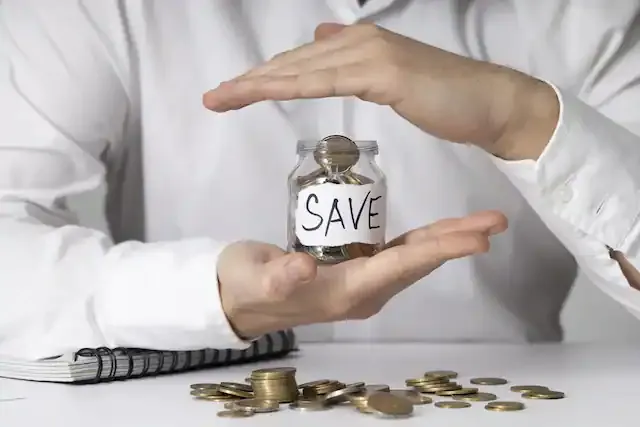
Recent financial challenges like the pandemic and inflation have underscored the importance of maintaining an emergency fund to cover unexpected expenses such as job loss or medical bills. Experts recommend saving three to twelve months of essential living costs, depending on individual circumstances. To ensure quick access and safety, emergency funds should be kept separate from regular savings and invested in low-risk, liquid assets rather than volatile options. This approach helps avoid high-interest debt and financial stress during emergencies.
Political Bias
0%100%0%
Sentiment
68%
AI Analysis
Political bias across 2 sources
● Left 0%● Center 100%● Right 0%
The articles present a neutral financial advisory perspective without political framing. They focus on personal financial management and expert recommendations, representing viewpoints from financial advisors and chartered accountants. There is no evident political bias, as the content centers on practical guidance for individuals rather than policy or political debate.
Sentiment — Positive (68/100)
The overall tone is informative and cautionary, emphasizing the risks of financial instability while offering constructive advice. The sentiment is balanced, highlighting challenges like inflation and job loss but focusing on proactive steps to mitigate these risks through emergency savings and prudent investment choices.
How 2 sources covered this story
Each source's own headline, political lean, and sentiment — so you can see framing differences at a glance.
| Source | Their headline | Bias | Sentiment |
|---|---|---|---|
| mint | Building an emergency fund? Here's where you can invest for quick access to funds and optimal returns Mint | Center | Positive |
| english | Lost Job? Medical Bill? Why Your Emergency Fund Matters More Than Ever | Center | Neutral |
Coverage timeline
english broke this story on 7 May, 11:58 am. Other outlets followed.
- 1english7 May, 11:58 amLost Job? Medical Bill? Why Your Emergency Fund Matters More Than Ever
- 2mint7 May, 06:17 pmBuilding an emergency fund? Here's where you can invest for quick access to funds and optimal returns Mint
Lens Score breakdown
21/100
Public interest0/100
Coverage gap100%
Well-covered story — coverage matches public importance.
Story context
- Category
- Business
- Sources analysed
- 2
- Last analysed
- 7 May 2026
- Key entities
- CoronavirusUsuryLayoffUnsecured debtIndigenous peoples of the AmericasSavings accountInflationBenchmarkingSelf-employmentCredit cardInsuranceMortgage loan
Related Coverage
Select a news story to see related coverage from other media outlets.