2 hours agoBusiness
23LENS
2 SourcesIndia
 thebalanced.news
Strait of Hormuz Tensions Disrupt Fertiliser Supplies, Impacting Global Food Security
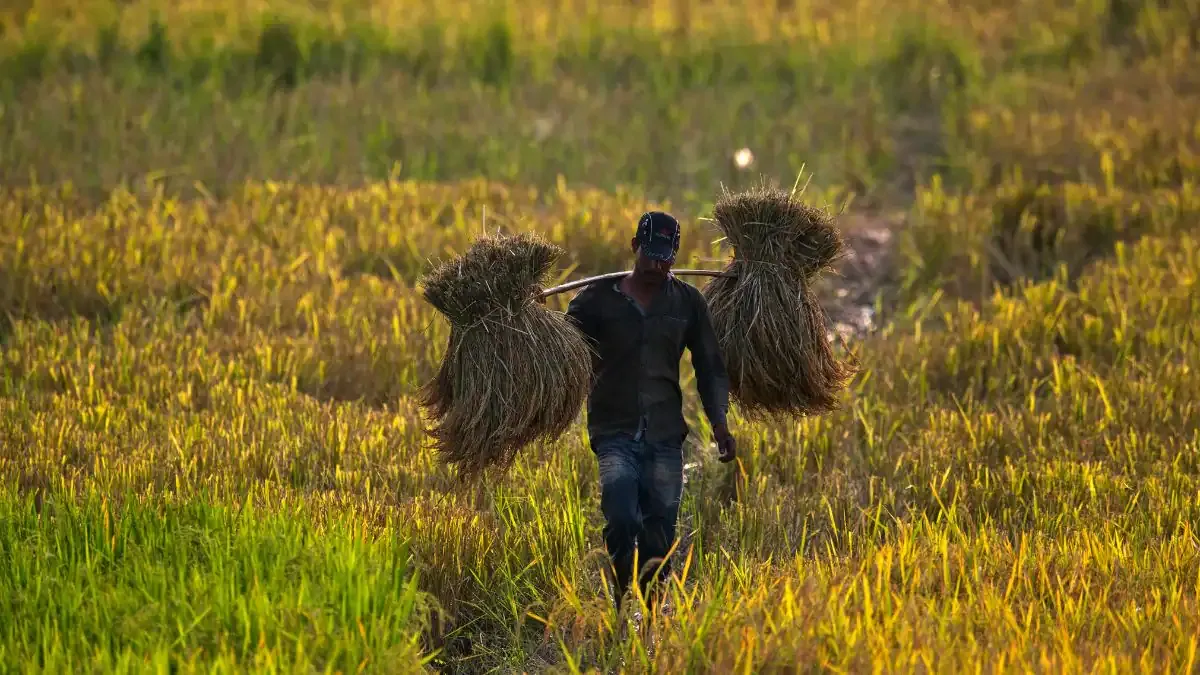
The Strait of Hormuz crisis is disrupting global fertiliser and energy shipments, threatening agricultural input supplies and raising costs worldwide. Nearly 30% of global fertiliser trade passes through this route, with Gulf countries like Saudi Arabia, Oman, and Qatar supplying significant portions of India's fertiliser imports. This dependence exposes India and other nations to supply risks amid regional tensions, potentially impacting food production and prompting concerns over rationing in vulnerable economies.
Political Bias
15%80%5%
Sentiment
42%
AI Analysis
Political bias across 2 sources
● Left 15%● Center 80%● Right 5%
The articles present a largely economic and geopolitical perspective focusing on supply chain vulnerabilities without overt political bias. They highlight the strategic importance of Gulf countries in global fertiliser trade and India's dependence on these imports amid regional tensions. The coverage includes government data and expert analysis, reflecting concerns from both economic and security viewpoints without partisan framing.
Sentiment — Neutral (42/100)
The overall tone is cautious and concerned, emphasizing risks and potential negative impacts on food security and agricultural production. While the articles do not use alarmist language, they underscore the seriousness of supply disruptions and rising costs, conveying a sense of urgency about the unfolding crisis without sensationalism.
How 2 sources covered this story
Each source's own headline, political lean, and sentiment — so you can see framing differences at a glance.
| Source | Their headline | Bias | Sentiment |
|---|---|---|---|
| firstpost | The coming food squeeze: How the Hormuz crisis is choking fertiliser flows and reviving rationing fears | Center | Negative |
| hindustantimes | India's food security is largely dependent on the Persian Gulf | Center | Neutral |
Coverage timeline
hindustantimes broke this story on 24 Apr, 02:46 am. Other outlets followed.
- 1hindustantimes24 Apr, 02:46 amIndia's food security is largely dependent on the Persian Gulf
- 2firstpost24 Apr, 10:40 amThe coming food squeeze: How the Hormuz crisis is choking fertiliser flows and reviving rationing fears
Lens Score breakdown
23/100
Public interest0/100
Coverage gap100%
Well-covered story — coverage matches public importance.
Who's involved
Institutions and figures named across source coverage.
Government
ParliamentGovernment of India
Story context
- Category
- Business
- Location
- India
- Sources analysed
- 2
- Last analysed
- 24 Apr 2026
- Key entities
- Strait of HormuzFertilizerIndiaUreaAmmoniaLogisticsWheatAgricultureRiceNatural gasSubsidyIran
Related Coverage
Select a news story to see related coverage from other media outlets.