1 hour agoBusiness
33LENS
2 SourcesDelhi, India
 thebalanced.news
SpiceJet's Fleet Reduction Brings International Operations Close to Regulatory Limits
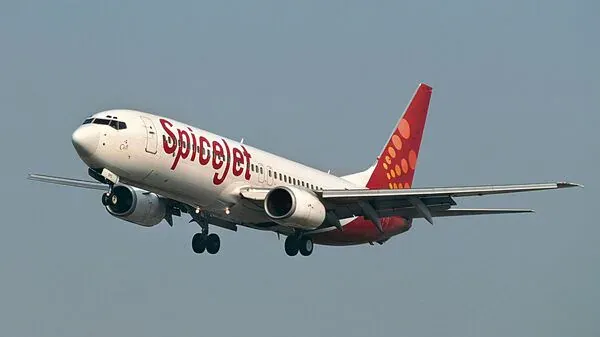
SpiceJet's operational fleet has declined from 33 aircraft in December to about 21 by early May, nearing the regulatory minimum required for international operations in India. This reduction, caused by aircraft returns to lessors and maintenance groundings, coincides with the airline's slip to fourth place in the domestic market with a 3.9% share. Competitors like IndiGo and Air India maintain larger fleets and market shares, while SpiceJet operates a mix of Boeing planes, many under wet or damp leases.
Political Bias
0%100%0%
Sentiment
30%
AI Analysis
Political bias across 2 sources
● Left 0%● Center 100%● Right 0%
The articles primarily focus on operational and regulatory aspects of SpiceJet's fleet changes without political framing. They present industry data and regulatory requirements neutrally, highlighting competitive market positions without partisan commentary. The coverage reflects business and aviation sector perspectives rather than political viewpoints.
Sentiment — Negative (30/100)
The tone across the articles is factual and neutral, emphasizing challenges faced by SpiceJet due to fleet reduction and market share decline. While the situation is described as precarious, the language avoids sensationalism, focusing on verified data and regulatory context, resulting in a balanced and informative sentiment.
How 2 sources covered this story
Each source's own headline, political lean, and sentiment — so you can see framing differences at a glance.
| Source | Their headline | Bias | Sentiment |
|---|---|---|---|
| timesnow | SpiceJet Nears Regulatory Line That Could Shrink International Operations; Here's How | Center | Negative |
| mint | SpiceJet's shrinking fleet puts international operations under scrutiny Company Business News | Center | Negative |
Coverage timeline
mint broke this story on 5 May, 12:47 am. Other outlets followed.
- 1mint5 May, 12:47 amSpiceJet's shrinking fleet puts international operations under scrutiny Company Business News
- 2timesnow5 May, 09:58 amSpiceJet Nears Regulatory Line That Could Shrink International Operations; Here's How
Lens Score breakdown
33/100
Public interest0/100
Coverage gap100%
Well-covered story — coverage matches public importance.
Who's involved
Institutions and figures named across source coverage.
Government
Directorate General of Civil AviationCivil Aviation Ministry
Corporate
SpiceJet LtdSpiceJet
Judiciary
Delhi High Court
Story context
- Category
- Business
- Location
- Delhi, India
- Sources analysed
- 2
- Last analysed
- 5 May 2026
- Key entities
- SpiceJetIndiaDirectorate General of Civil Aviation (India)AirlineAircraft leaseBoeingCroreIndian rupeeAkasa AirIndiGoAir IndiaAviation
Related Coverage
Select a news story to see related coverage from other media outlets.