55 minutes agoBusiness
24LENS
2 SourcesIndia
 thebalanced.news
Study Finds Doubling AC Efficiency Could Save India ₹2.5 Lakh Crore and Reduce Power Demand
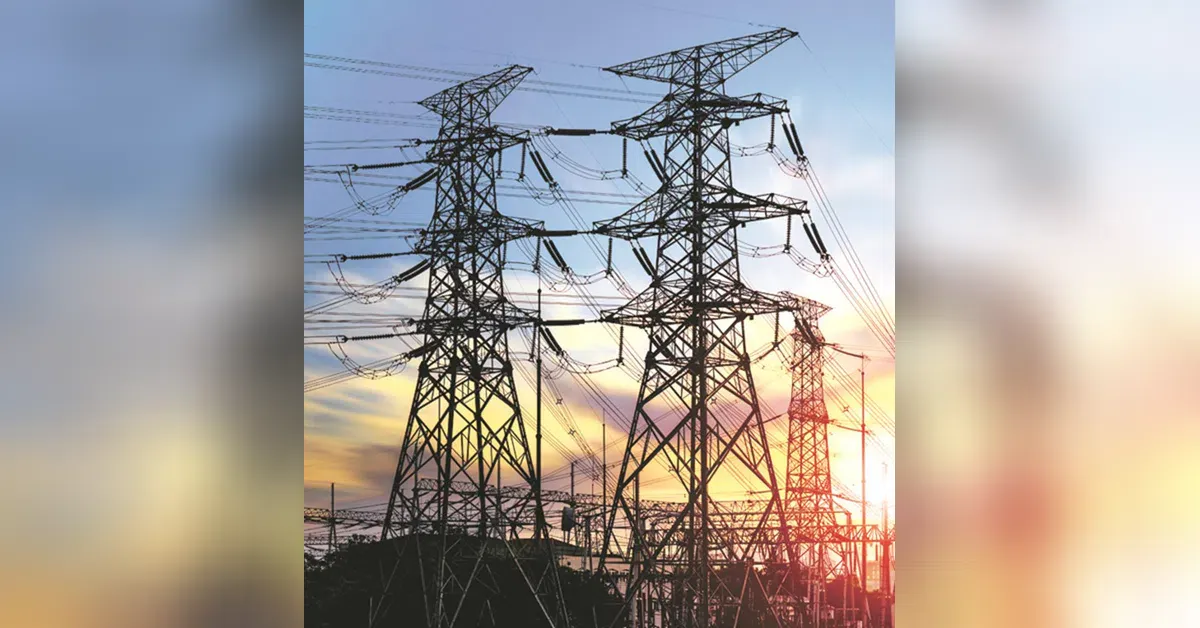
A study by the India Energy and Climate Center at UC Berkeley finds that doubling the energy efficiency of air conditioners in India over the next decade could save consumers up to ₹2.5 lakh crore and help prevent power shortages. With 10-15 million new ACs added annually, ACs currently contribute 60-70 GW to peak demand, potentially rising to 120 GW by 2030 and 180 GW by 2035. The study highlights the Bureau of Energy Efficiency's planned 2028 standards upgrade and calls for progressively stricter efficiency targets through 2033.
Political Bias
10%85%5%
Sentiment
72%
AI Analysis
Political bias across 2 sources
● Left 10%● Center 85%● Right 5%
The articles primarily present a technical and policy-focused perspective without evident political bias. They emphasize the role of government standards and policy interventions in energy efficiency, reflecting a consensus on the need for regulatory action. The coverage includes expert analysis from UC Berkeley and references to Indian government agencies, maintaining a neutral stance on policy implications.
Sentiment — Positive (72/100)
The overall tone is cautiously optimistic, highlighting both the challenges posed by rising AC-related power demand and the potential benefits of improved efficiency standards. The sentiment balances concern over power shortages with positive prospects for consumer savings and grid stability, reflecting a constructive outlook on policy solutions.
How 2 sources covered this story
Each source's own headline, political lean, and sentiment — so you can see framing differences at a glance.
| Source | Their headline | Bias | Sentiment |
|---|---|---|---|
| hindustantimes | Doubling AC efficiency could save India 2.5 lakh crore, prevent blackouts: Study | Center | Positive |
| businessstandard | India can save 2.5 trillion by doubling AC energy efficiency: Study | Center | Positive |
Coverage timeline
businessstandard broke this story on 25 May, 12:16 pm. Other outlets followed.
- 1businessstandard25 May, 12:16 pmIndia can save 2.5 trillion by doubling AC energy efficiency: Study
- 2hindustantimes25 May, 12:25 pmDoubling AC efficiency could save India 2.5 lakh crore, prevent blackouts: Study
Lens Score breakdown
24/100
Public interest0/100
Coverage gap100%
Well-covered story — coverage matches public importance.
Who's involved
Institutions and figures named across source coverage.
Government
Bureau of Energy EfficiencyPower MinistryIndia Meteorological Department
Story context
- Category
- Business
- Location
- India
- Sources analysed
- 2
- Last analysed
- 25 May 2026
- Key entities
- Alternating currentEfficient energy useIndian rupeeIndiaPeak demandAir conditioningUniversity of California, BerkeleyCroreKöppen climate classificationElectrical gridUniversity of CaliforniaLakh
Related Coverage
Select a news story to see related coverage from other media outlets.