22 minutes agoBusiness
31LENS
3 SourcesTehran, Iran
 thebalanced.news
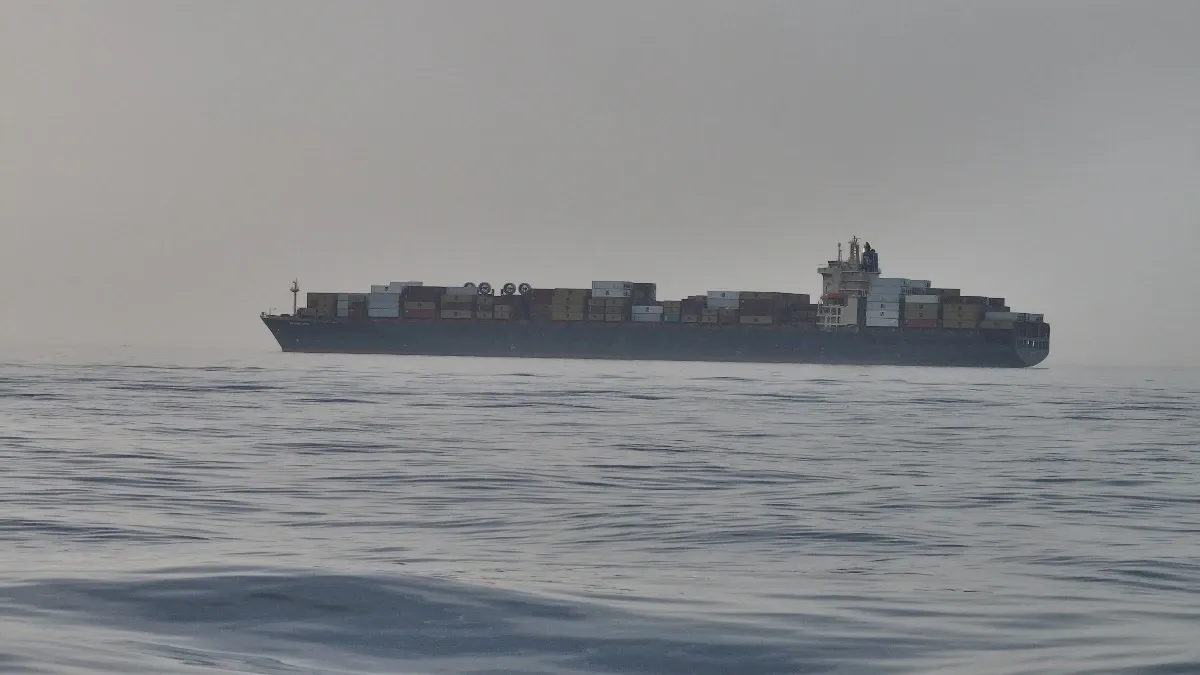
Iran Reactivates Old Tanker to Store Crude Amid US Export Blockade
Iran faces a critical challenge as US naval blockades in the Strait of Hormuz limit its crude oil exports, causing storage at Kharg Island to near full capacity. With about 13 million barrels of storage left and daily inflows of 1 to 1.1 million barrels, Iran is reactivating the 30-year-old tanker Nasha as floating storage to hold excess oil. Experts warn that if storage fills, Iran may have to reduce production, risking damage to wells and economic losses amid ongoing sanctions.
Political Bias
3%94%3%
Sentiment
33%
AI Analysis
Political bias across 3 sources
● Left 3%● Center 94%● Right 3%
The articles primarily present the situation from an economic and strategic perspective, highlighting Iran's challenges due to US sanctions and naval blockades. They include official warnings from US Treasury officials and expert analyses without overt political framing. Both Iranian constraints and US actions are described factually, reflecting a balanced view of the geopolitical and economic tensions involved.
Sentiment — Negative (33/100)
The tone across the articles is largely neutral and factual, focusing on the logistical and economic difficulties Iran faces. While the situation is portrayed as problematic for Iran, the coverage avoids emotive language or sensationalism, instead emphasizing the practical implications of storage limits and export restrictions.
How 3 sources covered this story
Each source's own headline, political lean, and sentiment — so you can see framing differences at a glance.
| Source | Their headline | Bias | Sentiment |
|---|---|---|---|
| timesnow | Oil Trap: Iran Can't Export, So It's Stashing Crude at Sea | Center | Negative |
| republicworld | Why Iran Has Pulled 'Ghost Ship' Nasha Out Of Retirement To Store Crude On Water | Center | Neutral |
| indiatoday | Can't stop oil flow, can't export: Iran revives rusty fleet to store petrol on water | Center | Negative |
Coverage timeline
indiatoday broke this story on 27 Apr, 07:45 am. Other outlets followed.
- 1indiatoday27 Apr, 07:45 amCan't stop oil flow, can't export: Iran revives rusty fleet to store petrol on water
- 2republicworld27 Apr, 11:19 amWhy Iran Has Pulled 'Ghost Ship' Nasha Out Of Retirement To Store Crude On Water
- 3timesnow27 Apr, 01:06 pmOil Trap: Iran Can't Export, So It's Stashing Crude at Sea
Lens Score breakdown
31/100
Public interest0/100
Coverage gap100%
Well-covered story — coverage matches public importance.
Who's involved
Institutions and figures named across source coverage.
Government
US Treasury Department
Enforcement
US Navy
Story context
- Category
- Business
- Location
- Tehran, Iran
- Sources analysed
- 3
- Last analysed
- 27 Apr 2026
- Key entities
- BlockadeTanker (ship)Kharg IslandPetroleum industry in IranPetroleumTehranIranInternational sanctionsStrait of HormuzBarrel (unit)United States Secretary of the TreasuryOil well
Related Coverage
Select a news story to see related coverage from other media outlets.